



 Contact us
Millets help fight malnutrition, save water, and empower farmers


Sections
- Introduction
- What are millets?
- What are the top nutritional and health benefits of millets?
- What are the different types of millets?
- What makes millets environmentally more sustainable?
- What are the different ways to add millets to your diet?
- How does millet production support India’s climate goals and SDGs?
- How Tata Power is cultivating a grassroots revolution through millets
- Bottomline
- FAQs
Introduction
Often called nutri-cereals, Millets - once a staple for our ancestors, are once again finding their way into everyday meals. Covering 12 million hectares, India stands as the world’s top millet producer, accounting for 38.4 percent of global output. The United Nations declared 2023 as the International Year of Millets, a move spearheaded by India, shining a spotlight on their superfood potential and climate resilience. From health enthusiasts to climate activists, millets are being praised as “Shree Anna” (esteemed grain), a fitting title for grains that helped sustain ancient civilizations and nourish our future.
Explore what millets are, their top health perks, their role in the UN Sustainable Development Goals, and why they rank as climate champions. And if that’s not enough, we’ll share some inspiring examples of how Tata Power is boosting millets through community initiatives. Read on because this millet story is one you won’t want to miss!
What are millets?
Millets are a family of small-seeded cereal grains (types of grass) - essentially tiny, power-packed grains that thrive in the semi-arid tropics. Unlike rice or wheat, most millets are extremely drought-tolerant and can grow in poor, dry soils with minimal inputs. In fact, millets have been a traditional staple in many parts of India, especially in rural areas, earning the moniker “coarse cereals” or “poor man’s grains”.
India is the world’s largest producer of millets, accounting for roughly 38% of global millet production, and these grains have names you might recognize: Jowar (sorghum), Bajra (pearl millet), Ragi (finger millet), and a variety of “small millets” like Foxtail, Kodo, Proso, Little, and Barnyard millet. Millets are naturally gluten-free, rich in proteins, fiber, vitamins, minerals, and have a low glycemic index.
What are the top nutritional and health benefits of millets?
Millets are often hailed as nutritional powerhouses and for good reason. These grains come packed with essential nutrients that can benefit overall health in many ways -
High in nutrients
Millets contain a wealth of complex carbohydrates, quality plant protein, fiber, and essential minerals. They are especially rich in calcium, iron, magnesium, potassium, zinc, and B-complex. For example, finger millet (ragi) is the richest source of calcium among cereals (300–350 mg per 100g), and millets like bajra, jowar, and ragi provide nearly four times more iron than brown rice. This makes millets excellent for meeting nutritional needs and combating deficiencies.
Good for digestion & weight management
The high dietary fiber in millets aids digestion and promotes a healthy gut. Fiber also gives a feeling of fullness, which can help control appetite and support weight loss efforts. In fact, ragi contains an amino acid (tryptophan) that helps reduce appetite and keeps you full longer. Including millets in your diet can thus help with maintaining a healthy weight by curbing overeating.
Low glycemic index (Diabetic-friendly)
Millets have a lower glycemic index compared to polished rice or wheat, meaning they release glucose more slowly into the blood. This prevents sudden blood sugar levels. Research shows that regular millet consumption can improve blood sugar control for people with type 2 diabetes. Finger millet, for instance, helps moderate blood glucose levels and is considered ideal for diabetics. So, swapping millets for high-GI grains is a smart choice for blood sugar management.
Heart-healthy grains
Millets boost heart health. They are naturally low in fat, and the fats they contain are the healthy unsaturated kind. Their fiber and phytochemicals can lower bad LDL cholesterol. Foxtail and Kodo millets can also reduce triglycerides and ease blood pressure, cutting cardiovascular risk. Experts say millet-rich diets may help prevent heart disease and hypertension. Post-menopausal women who eat Kodo millet may see improvements in blood pressure and cholesterol levels. Adding millet to your meals is a simple way to support your heart.
Strong bones & blood
Millets support strong bones and help prevent anemia. Ragi’s rich calcium content boosts bone and tooth strength, making it excellent for growing children and older adults to guard against osteoporosis. Bajra and jowar are good sources of iron that help maintain healthy hemoglobin levels and can combat anemia. Including a variety of millets in everyday meals can gently improve bone density and blood health when combined with a balanced diet.
Gluten-Free & non-allergenic
All millets are naturally gluten-free. This makes them an ideal grain alternative for those with gluten intolerance or celiac disease who cannot consume wheat, barley, or rye. Millet-based foods are often easy to digest and non-allergenic. By including millets, even people with digestive sensitivities or allergies can enjoy bread, porridge, and other grain dishes without worry. This expands dietary options for gluten-sensitive individuals with a wholesome, nutrient-rich choice.
What are the different types of millets?
India grows many types of millets, each with unique nutritional perks. Here are some of the main millets of India and the age groups or dietary needs they are especially good for -
Finger millet (Ragi)
Grown in South India, ragi is known for its high calcium. It gives a natural boost that supports bone growth in children and helps older adults prevent osteoporosis. Ragi is also rich in iron and fiber. Its slow digesting carbs helps manage blood sugar, making it ideal for diabetics. Traditional ragi porridge is often one of the first solid foods given to infants in India due to its nutrient density and easy digestibility.
Pearl millet (Bajra)
Bajra is a staple in many parts of India, like Rajasthan, and is naturally gluten-free. It retains an alkaline nature after cooking, which can ease acidity. Bajra seeds pack protein and iron, offering an affordable way to fight malnutrition. Teenagers and pregnant women gain from its iron for healthy blood and folic acid for growth. Those with gluten intolerance can use bajra flour for rotis, as pearl millets provide sustained energy.
Foxtail millet (Kangni)
Foxtail millet is a small, yellowish grain that ranks 2nd in millet production worldwide. It is rich in fiber, protein, and minerals but has a low glycemic index, so it releases sugar slowly. This makes foxtail millet a good option for middle-aged adults managing diabetes or anyone watching their blood sugar. It is also traditionally given as an energy food to pregnant and lactating women in some communities. Foxtail millet porridge or khichdi can be a gentle, nutritious meal for elders as well.
Kodo millet (Kodon)
Kodo millet is a fiber superstar. It contains about 14% fiber, the highest among millets. It is easy to digest and helps support the nervous system. Studies show Kodo millet consumption can help post-menopausal women manage blood pressure and cholesterol. Its fiber also aids digestion, which benefits anyone with digestive issues. Kodo millet is an excellent choice for senior citizens who want to boost their heart health.
Proso millet (Cheena)
Proso millet is a smaller millet variety that grows quickly with minimal water. It is rich in carbohydrates and fatty acids, making it an energy-dense grain. Proso millet has been shown to reduce cholesterol and the risk of heart disease, and some studies even link it to the prevention of breast cancer. It’s a smart addition for adults concerned about heart health. With its easy digestibility, proso millet can be enjoyed by all ages, but its cholesterol-lowering benefit makes it particularly good for those in mid-life and senior years, aiming to eat healthy.
Sorghum (Jowar)
Jowar is the 5th most important cereal crop in the world by production, and a major millet in India. Jowar is high in complex carbs, iron, and antioxidants. It uses C4 photosynthesis to be more efficient at carbon fixation in areas that are dry and hot. Jowar flour is commonly used for bhakri (rotis), which are daily foods for farmers and laborers, highlighting its value in providing energy for people performing high physical activity (like young adults and workers). Importantly, sorghum is gluten-free, so it is suitable for all age groups with gluten allergies. From toddlers (as jowar porridge) to the elderly (as soft jowar roti), anyone can benefit from its easy digestibility and nutrient content.
Little millet (Kutki/Sama)
Little millet is one of the smaller millets and is popularly grown and consumed in parts of India. It is rich in fiber and known to improve glucose metabolism due to its low carbohydrate content and slow digestibility. This makes little millet an excellent grain for diabetics or those managing weight, as it keeps you full longer and keeps blood sugar steady. It’s also quite easy to digest, so children and older folks can enjoy little millet in dishes like sama rice (samak) or millet upma, especially during fasting or when a light diet is needed. Its mild taste and quick cooking time make it a versatile millet for everyday use across all ages.
What makes millets environmentally more sustainable?
Millets are not just good for you – they are good for the planet. Here we outline how millets promote sustainable farming: needing less water, withstanding climate extremes, and even reducing greenhouse emissions -
Low water requirement
Millets need far less water compared to other cereals. Studies indicate they require roughly 30%–40% less water than rice. To illustrate, growing 1 kg of rice uses about 3,000–5,000 liters of water, whereas millets need only a fraction of that amount. A key analysis suggests that shifting cultivation from paddy rice to millets could save India nearly 300 billion cubic meters of water every year by 2050. In a water-stressed world, millets offer farmers "more crops per drop," protecting precious groundwater and irrigation sources.
Drought tolerance & climate resilience
Millets naturally thrive in hot and dry climates where other crops struggle. They are exceptionally hardy and can tolerate high temperatures, with certain varieties even handling soil temperatures as high as 64°C. Their ability to grow in rain-fed, drought-prone areas makes millets a reliable food source amid unpredictable rainfall and extreme weather. For farmers in arid regions, millets are a dependable climate-smart crop, ensuring food security even during prolonged dry periods. This resilience helps reduce crop failure risk and stabilizes livelihoods in challenging climatic conditions.
Minimal need for chemical inputs
Millets typically require fewer fertilizers and pesticides than crops like rice and wheat, which need significant chemical inputs. They grow easily in marginal soils without heavy use of chemical fertilizers. Many millet programs, including Odisha's Millet Mission, actively promote organic farming, relying exclusively on natural bio-inputs without chemical fertilizers. This approach lowers the risk of soil and water contamination and keeps farming affordable for small-scale farmers. By using fewer chemicals, millets help maintain healthier soils and ecosystems.
Lower greenhouse gas emissions
Rice farming contributes significantly to methane emissions, a powerful greenhouse gas, due to flooded paddy fields. Millets, however, grown under dry conditions, emit negligible amounts of methane. Indian research suggests transitioning part of rice or corn cultivation to millets could cut greenhouse gas emissions by around 50 million tonnes of CO₂-equivalent by 2050. Additionally, since millet farming often relies solely on natural rainfall, it avoids the energy-intensive irrigation pumps used in rice fields, making it an ideal choice for sustainable, low-carbon agriculture.
Soil health & biodiversity
Millets are often intercropped or rotated with other crops, enhancing farm biodiversity. Their root systems help bind the soil, effectively preventing erosion, especially on slopes and in semi-arid regions. Growing millets breaks pest cycles and reduces disease occurrence in subsequent crops. Odisha’s Millet Mission reports notable improvements in soil quality from using organic practices in millet cultivation. Thus, adding millets to crop rotations creates resilient agro-ecosystems, benefiting both farmers and the environment.
Promoting millets for sustainable livelihoods and nutrition
What are the different ways to add millet to your diet?
Incorporating millets into your diet is easier than you might think. Thanks to their versatility, millets can fit into just about any meal, such as breakfast, lunch, dinner, or snacks. Here are some popular and delicious ways to enjoy millets -
Breakfast boost
Kickstart your mornings with nutritious millet breakfasts. Try calcium-rich ragi porridge with milk and jaggery or swap regular rice with millet grains in your idli and dosa batter. Millet-based dosas and idlis turn out fluffy, tasty, and wholesome. For a satisfying breakfast, cook flavorful upma using little millet or foxtail millet instead of standard semolina.
Swap in main meals
Millets are a delicious, nutritious alternative to rice or wheat rotis. Boil foxtail, little, or barnyard millet just like rice, pairing them with your favorite curries, dals, or sambars. Millets have a pleasant nutty taste perfect for Indian dishes. Popular bajra rotis or hearty jowar bhakris are gluten-free, fiber-rich options. Even blending just 20-30% millet flour into regular atta boosts nutrients without significantly changing taste or texture.
Hearty one-pot dishes
Millets work wonderfully in one-pot meals. You can toss them into khichdi, pulav, or biryanis in place of rice. Millet khichdi with vegetables is comforting and nutritious (and great for babies or elders). Millet pulao with foxtail or little millet grains comes out fluffy and flavorful. These grains absorb spices well. Because many millets cook quickly, you may need to adjust the water and time, but the result is a satisfying, wholesome main course that’s also diabetic-friendly.
Healthy snacks & sweets
Enjoy tasty millet snacks and sweets guilt-free. Bake wholesome ragi cookies, bajra biscuits, or roll nutritious laddus from millet flour, nuts, and jaggery. Traditional desserts like creamy ragi halwa or jowar payasam are delightful treats. For savory bites, millet vada, pakoda, crunchy murukku, and puffed millet snacks are fiber-rich tea-time favorites.
Modern millet twists
Explore contemporary millet dishes with a creative flair. Use cooked millet grains in vibrant salads or Buddha bowls topped with fresh veggies and herbs. Blend millet into hearty soups for added nutrition, or experiment by baking millet pancakes, muffins, or breads. Millet pasta and noodles now offer tasty, healthy alternatives. Don’t miss traditional beverages like refreshing ragi malt or comforting ragi ambili.
How does millet production support India’s climate goals and SDGs?
India’s push for millets isn’t just about health. It is also a strategic move towards sustainable development and climate resilience. Here are a few key ways millet production and promotion support broader UNSDG goals:
Food security and zero hunger (SDG 2 & SDG 3)
Millets are nutrient-rich grains crucial in ending hunger and malnutrition. They thrive even in drought-prone regions where other crops struggle, enhancing food security in resource-poor areas. India's UN representative emphasized millets' role in improving nutrition, alleviating poverty, and achieving the Sustainable Development Goals (SDGs). Programs like Odisha Millets Mission integrate millets into public distribution systems and midday meals, significantly improving child growth and nutritional outcomes compared to rice-based diets. Millets also help address micronutrient deficiencies like iron and folate, benefiting overall health.
Climate action and resilience (SDG 13)
Millets support climate action through their natural resilience to heat and drought, tolerating temperatures as high as 64°C. Their cultivation under unpredictable climate conditions reduces crop failures, enhancing rural livelihoods. Millets produce negligible methane emissions, unlike flooded rice paddies, making them climate friendly. Studies estimate shifting from rice to millet farming could reduce India's greenhouse gas emissions by tens of millions of tonnes of CO₂-equivalent by 2050, contributing to climate targets under the Paris Agreement. In water-scarce regions like Karnataka and Maharashtra, millets conserve groundwater and reduce energy use for irrigation.
Sustainable agriculture and life on land (SDG 12 & SDG 15)
Promoting millets align with sustainable consumption and agriculture by reducing dependency on water-intensive rice and wheat. Millets need fewer chemical fertilizers, reducing soil degradation and protecting ecosystems. Initiatives like the Odisha Millets Mission promote organic millet farming, resulting in improved soil quality and healthier local habitats. Cultivating millets also maintain genetic diversity by preserving traditional millet varieties adapted to various climates, enhancing overall biodiversity and ecosystem resilience.
Livelihoods and women’s empowerment (SDG 1, SDG 5 & SDG 8)
Millets offer economic benefits, especially to smallholders and tribal farmers. They require fewer inputs like seeds, water, and chemicals, yet yield reliable harvests, improving farmers’ financial stability. Government procurement at Minimum Support Prices (MSP) ensures higher incomes. Additionally, millet initiatives in India actively empower rural women by providing training in millet cultivation and processing, enabling them to produce and market millet-based foods. Over 500 millet-focused startups have emerged recently, showcasing entrepreneurship opportunities and job creation aligned with decent work and economic growth goals.
Responsible consumption and production (SDG 12)
Encouraging millet consumption supports sustainable food systems, significantly lowering agriculture's environmental footprint. Millets require roughly 60% less water and 40% less processing energy than rice. They often grow without chemical pesticides, aligning perfectly with sustainability targets. Shifting dietary patterns toward millets reduces monocultures of resource-intensive grains like rice or wheat, protecting biodiversity and enhancing climate resilience. Millets also offer gluten-free alternatives for inclusive food security.
Partnerships and indigenous knowledge (SDG 17 & SDG 15)
The millet revival has united multiple stakeholders, including Indian central and state governments, research institutions like ICAR and IIMR, international bodies such as FAO, and private companies. This collaborative approach exemplifies SDG 17 (Partnerships). Reviving traditional millet varieties also preserves indigenous knowledge and India's agricultural biodiversity (SDG 15), supporting both environmental and cultural sustainability. This inclusive millet movement highlights grassroots participation, becoming a true people-driven initiative.
How Tata Power is cultivating a grassroot revolution through millets
Tata Power, through its community development initiatives, has launched several programs to promote millets for sustainable livelihoods and nutrition. Here’s a look at three key millet-focused initiatives –
TPSODL – Supporting organic millet farming in Odisha
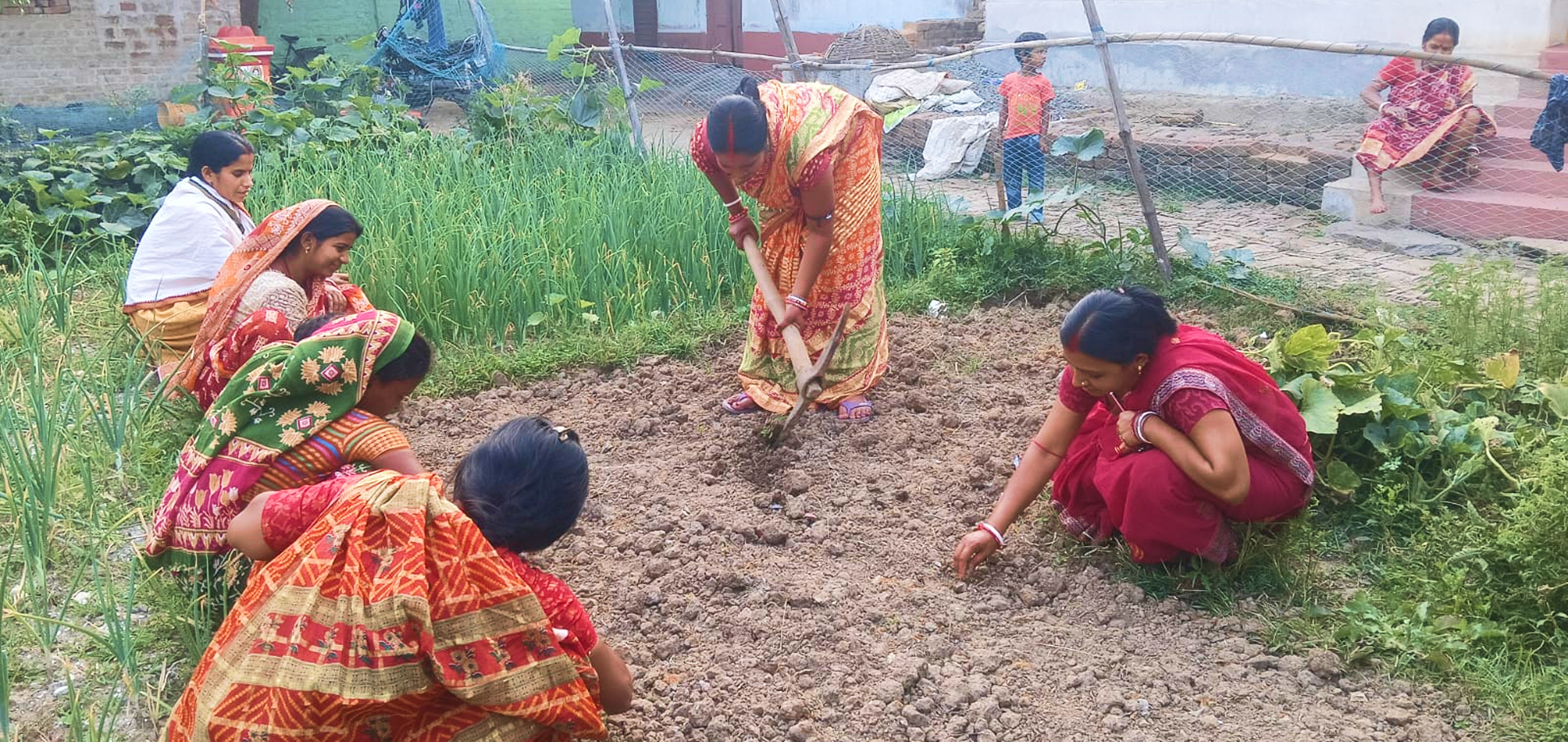
1. TPSODL partners with Odisha’s Millet Mission to help farmers in southern Odisha switch to organic millet farming.
2. Over 500 farmers received free millet seeds, hands-on training, and farm inputs, bringing around 250 acres of previously unused land under millet cultivation.
3. Introduced helpful farm tools like Cycle Weeders, reducing manual labor and easing the workload for farmers.
4. Assisted 110 farmers to register under Shree Anna Abhiyan, enabling them to sell their harvest at a Minimum Support Price (MSP) of ₹4,500/quintal, plus an additional ₹10,000 incentive from the state.
5. In FY23, 408 farmers successfully harvested over 1,800 quintals of organic ragi from 719 acres, with 80% previous wasteland.
6. TPSODL set up a local millet processing unit (with threshers, destoners, and pulverizers) that significantly reduced women’s traditional workload.
7. Participating farmers earned an average profit of ₹38,248, generating a total turnover of ₹1.78 crore.
8. Farmers and their families reintroduced nutrient-rich millets into their daily diets, improving household nutrition.
9. Positive results encouraged an additional 105 farmers to adopt organic millet farming this year.
TPWODL – Promoting climate-resilient crops in Bargarh
1. TPWODL encouraged farmers in drought-prone Bargarh district to shift from water-intensive paddy to sustainable millet cultivation.
2. Paddy farming had become unsustainable due to high costs, drought, and soil degradation, affecting small farmers’ livelihoods.
3. Around 200 economically vulnerable farmers received training in millet farming through demonstration plots, practical sessions, and exposure visits to successful millet farms.
4. Provided free quality millet seeds and bio-fertilizers, easing financial burdens for farmers to try new crops.
5. Coordinated with government agencies to ensure farmers received assured market prices, boosting their confidence in adopting millets.
6. Local women-led groups ("Millet Sakhi") actively spread awareness about millets' nutritional and economic advantages.
7. Farmers achieved good yields of millets like jowar and ragi on upland areas with minimal irrigation and inputs, reducing costs and improving soil health.
8. The visible economic benefits inspired more farmers each season to transition to millet cultivation, creating a climate-resilient farming community.
Anokha Dhaaga – Millet Cookies production in Ahmednagar
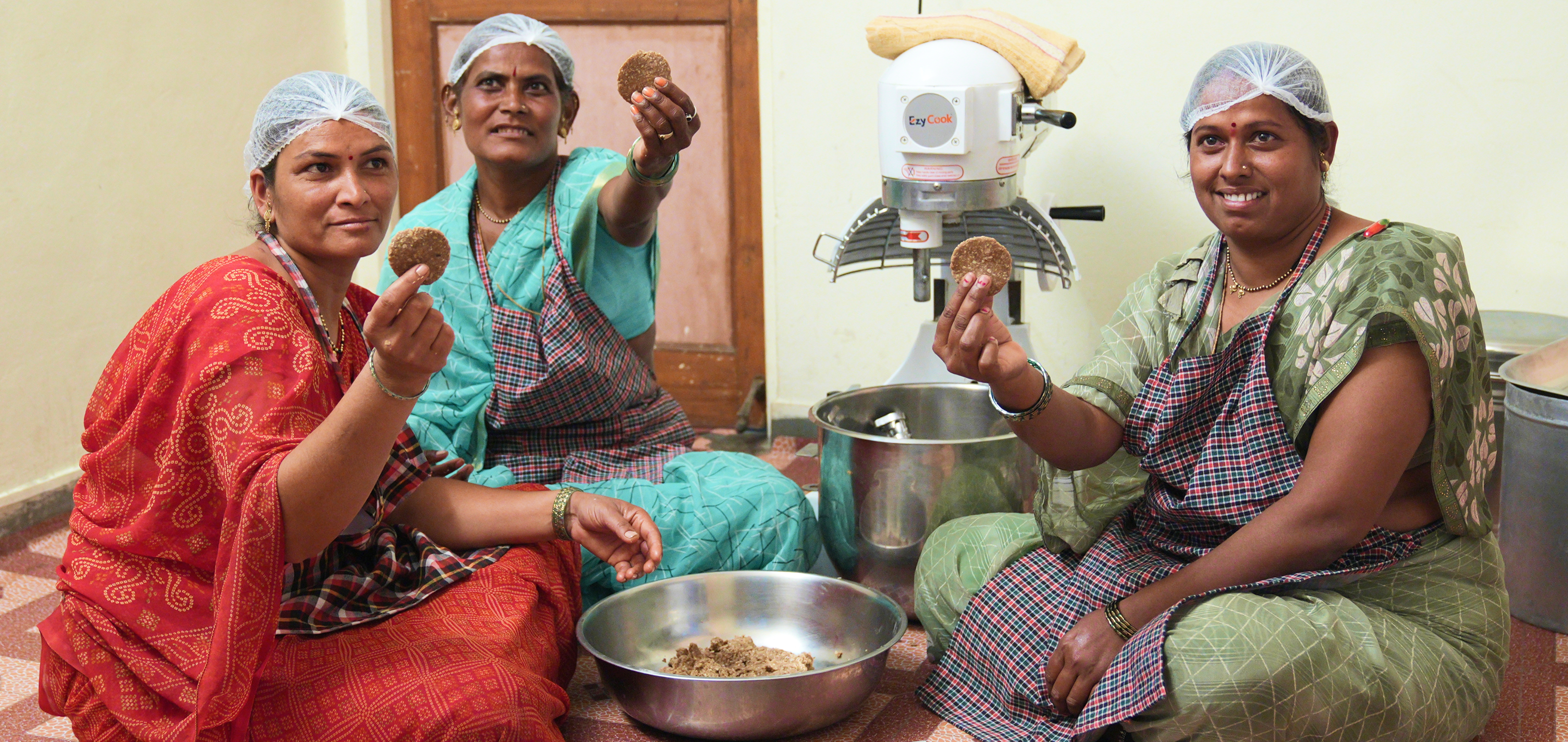
1. Tata Power’s "Anokha Dhaaga" initiative empowered rural women in Ahmednagar district, Maharashtra, by creating a Millet Products Center for producing nutritious millet cookies.
2. Over 90 rural women trained extensively in organic millet farming and professional baking techniques with support from Tata Power Community Development Trust, Bosco Gramin Vikas Kendra, and culinary experts from Taj SATS.
3. Women now bake and market millet-based cookies under the brand "Raagini Products," meeting growing demand for healthy snacks.
4. Many participants, previously limited to household chores, earned independent incomes for the first time through cookie sales.
5. One inspiring example is Chayya Ashok K., who progressed from a shy participant to leading the production unit, financially supporting her family, and motivating other women.
6. The Millet Products Center became a community hub where women collaboratively developed new recipes, improved baking skills, and learned marketing strategies.
7. Tata Power facilitated market linkages and microloan schemes, enhancing rural women's entrepreneurial capabilities and economic independence through millet-based products.

Bottomline
Millets are stepping into the spotlight. Grains like jowar, bajra, ragi, and foxtail pack nutrients and thrive in harsh climates. They go beyond a passing trend to offer smarter farming and a greener diet. Millets help fight malnutrition, save water, empower farmers, and create new income paths. They solve real challenges with simple, natural power. Why not make them part of your routine? Today, you can blend ragi into smoothies, swap rice for millet pulao, or pick up bajra rotis from a market stall. Every bite casts a vote for sustainable agriculture and stronger local economies. Millets are more than food. They are the poster grains for sustainable change. Make millets your go-to grain and spark a powerful movement that feeds both people and the planet.
Frequently asked questions
- FAQs
Yes. All traditional millets like bajra, ragi, jowar, foxtail, little, and barnyard are naturally gluten-free. This makes them a healthier and safer choice for people with gluten intolerance, celiac disease, or non-celiac gluten sensitivity while still offering fiber and B-vitamins, as per FSSAI's guidance on nutri-cereals.
Millets’ soluble and insoluble fiber enhances satiety, while tryptophan in ragi moderates appetite. Studies cited by the IIMR report lower caloric intake and improved lipid profiles when refined grains are partly replaced with millets.
Finger millet and sorghum have lower glycaemic responses than white rice because of their fiber, polyphenols, and starch, resistant slow carbohydrate absorption, helping stabilize post-meal blood glucose.
Yes, millets can be part of your daily routine. Many people in millet-growing regions enjoy them as a staple. They provide steady energy and essential nutrients. If you’re new, start with small portions since the fiber may cause mild bloating. Switch between millets like ragi and jowar and mix in other grains for balanced nutrition. Rinse and soak before cooking or fermenting for better digestion.
Sources
1. International Year of Millets (IYOM) – 2023 will provide an opportunity to globally promote millets as the nutritious cereals
2. Indian Millets
3. Millets - The Nutri-cereals
4. Nutritional and Health Benefits of Millets
5. Millets benefits and nutritional information
6. 7 Kinds Of Millets, Health Benefits And Uses Shared By FSSAI
7. Millets 2023
8. Nutrition & Health Benefits of Kodo Millet
9. FSSAI specifies comprehensive group standard for millets vide Food Safety and Standards
10. In 2023, Global Spotlight On Millets, Traditional To Many Indian Diets
11. Effect of feeding malted foods on the nutritional status of pregnant women, lactating women and preschool children in Lepakshi Mandal of Ananthapur district, Andhra Pradesh, India
12. Role of proso millet (Panicum miliaceum) as preventive diet in lifestyle disorders
13. Shift from rice to millets, save 50 million tonnes of greenhouse gas emissions by 2050: Report
14. Odisha Millets Mission – sowing seeds of change

Keep reading...
View all