



 Contact us
Strong power grids provide dependable supply of electricity


TP Southern Odisha Distribution Limited (TPSODL) is a joint venture between Tata Power, India’s largest integrated power company, and the Government of Odisha, with Tata Power holding a 51% majority stake. Serving over 22.51 lakh customers and a population of 94.38 lakh across 48,751 sq. km, TPSODL is one of Odisha’s leading power distribution companies. It is committed to reliable power, enhanced customer experience, and lower AT&C losses through upgraded infrastructure, advanced technology, and digital services that ensure dependable, customer-focused support at every touchpoint.
Malkangiri is one of the state’s most remote districts, with scattered habitations, difficult terrain and seasonal stresses that have historically caused recurring outages. These constraints made it hard to provide predictable service for households, schools, and critical community facilities.
To build a resilient backbone, TPSODL planned a set of targeted network interventions: address single-point failures, increase transformer capacity where demand was growing, strengthen 33 kV feeders, and extend 11 kV lines to reach deeper into habitations.
Malkangiri’s geography and sparse settlements increase restoration time and raise outage risk. Single-transformer dependency and limited feeder resilience amplified the impact of faults, while transformer capacities in growth pockets were insufficient to meet rising demand.
Key operational challenges included -
1. Transformer dependency - Critical substations were vulnerable to single equipment failure, risking widespread outages.
2. Feeder weakness - 33 kV feeders had limited redundancy and were exposed to seasonal stresses near reservoirs.
3. Capacity shortfalls - Local demand growth required higher transformer capacity to avoid overloads and frequent trips.
4. Last-mile reach - Several habitations and institutions lacked robust 11 kV connectivity, delaying restoration and reducing service reliability.
TPSODL selected a tightly scoped, engineering-led approach that prioritized measurable operational gains and feasibility in difficult terrain. Interventions were chosen for their ability to reduce outage exposure, manage growing loads, and improve response and restoration times.
Selection criteria emphasized operational impact, maintainability in remote conditions, and direct benefits to households, institutions, and livelihood-linked loads such as agricultural pumps.
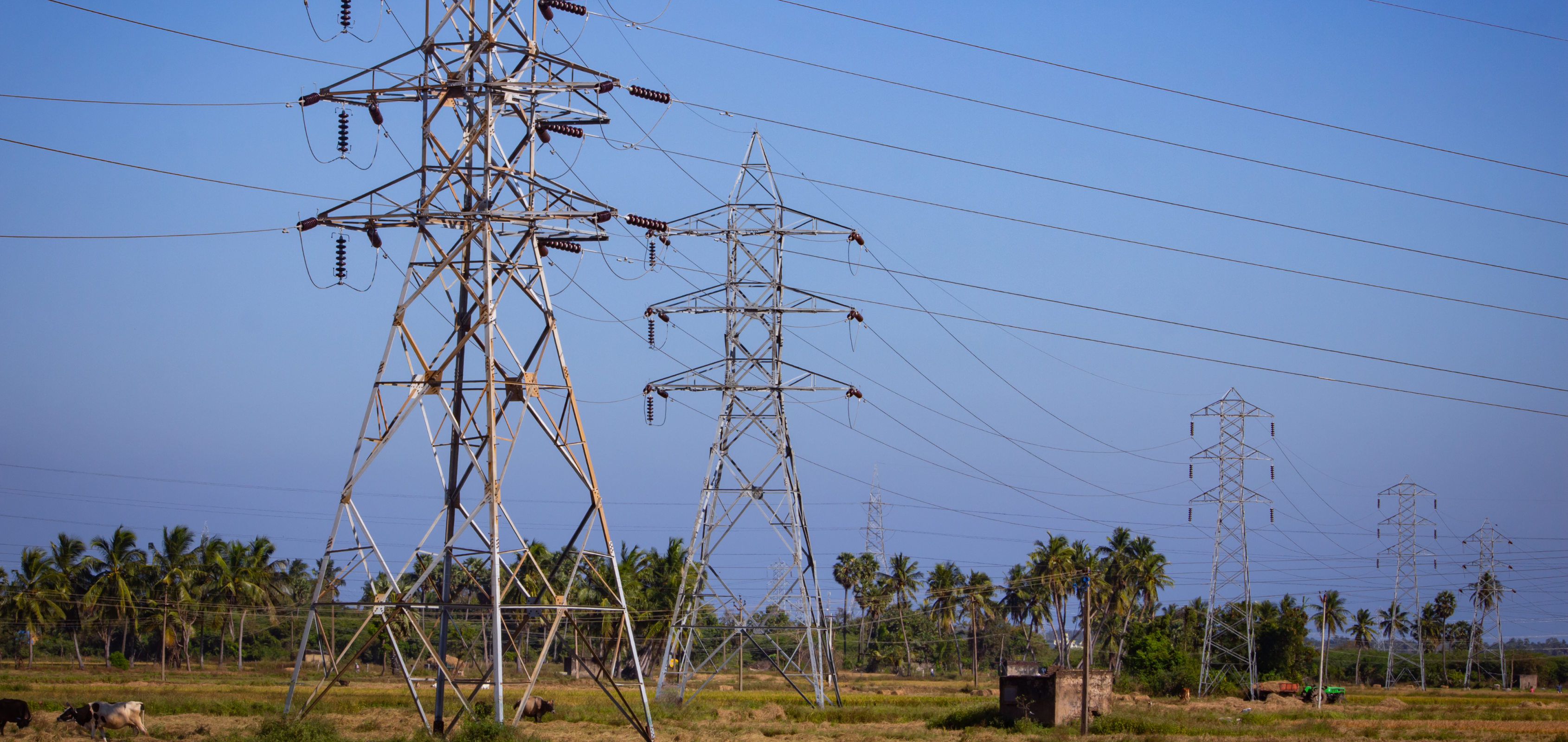
Strong power grids provide dependable supply of electricity
TPSODL implemented a coordinated package of technical measures tailored to local needs, focusing on redundancy, capacity, feeder resilience, and targeted extensions.
Key actions and their rationale -
1. Substation redundancy at K.Gumma - Introduced redundancy to remove single-transformer dependency and cut the risk of large-area outages. This reduces cascade failures and shortens restoration windows.
2. Transformer upgrades to 5 MVA at Balimela and Mathili - Increased capacity to meet rising demand, improve load management, and reduce transformer stress under peak conditions.
3. 33 kV feeder strengthening and connectivity - Reinforced the 33 kV backbone and linked critical nodes to improve supply continuity, especially near seasonal stress points like Chitrakonda reservoir.
4. Dedicated line to Khairaput school - Provided a secure supply path for an essential public institution, improving reliability for education and boarding facilities.
5. 11 kV extensions into habitations - Extended and reinforced lines to K.Gumma, Chitrakonda, Pandripani, Bajrangi Colony and Bandiguda to improve last-mile delivery and speed up fault isolation and restoration.
The programme was executed over the last few months with a focus on practical sequencing and minimal service disruption. Teams staged work to maintain supply where possible and to prioritize higher-impact interventions first.
On-the-ground execution relied on modular equipment to speed commissioning, scheduling reinforcement work during low-load windows, and adapting line construction techniques to difficult terrain for uninterrupted supply.
Targeted upgrades delivered clear operational and community benefits by strengthening the network backbone and improving last-mile availability.
1. Reduced outage exposure at substation and feeder levels, lowering the frequency and scale of supply interruptions.
2. Improved 33 kV backbone resilience, enabling quicker fault isolation and restoration.
3. Better load management through higher-capacity transformers, reducing thermal stress and tripping incidents.
1. Schools, hostels, and anganwadis now experience more consistent power, supporting education and welfare delivery.
2. Health sub-centres gain more reliable electricity for critical services and equipment.
3. Agricultural pumps and small businesses receive a steadier supply, aiding livelihoods and local economic activity.
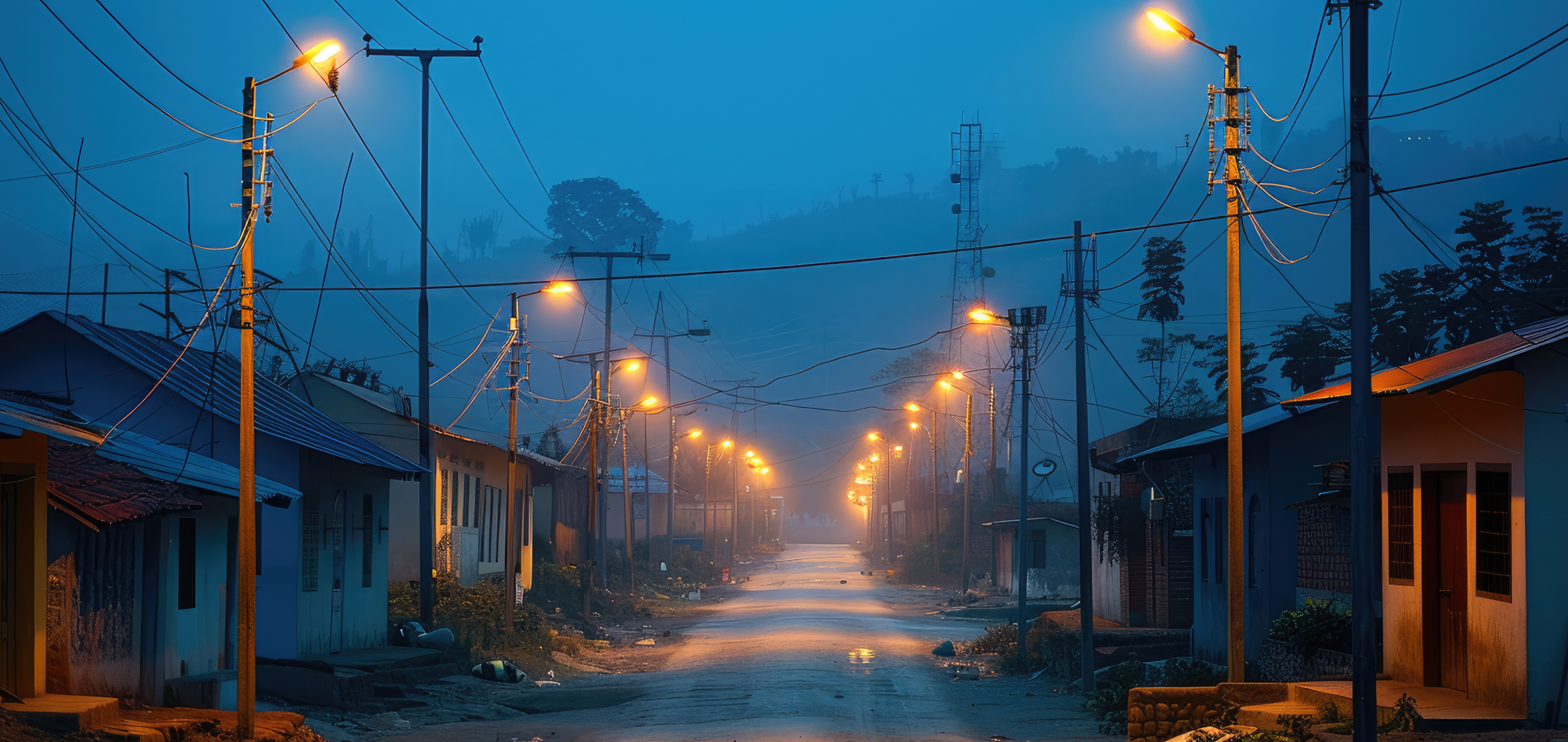
TPSODL supported & built the communities' social infrastructure
The Malkangiri interventions are deliberate steps in a long-term network modernization roadmap. TPSODL will apply lessons from this programme to scale resilience across other remote areas.
TPSODL’s work in Malkangiri is an expression of its core mandate: to provide safe, reliable, and quality power across Southern Odisha.
As a joint venture between Tata Power and the Government of Odisha, with Tata Power holding 51%, TPSODL operates with a mandate backed by both public and private-sector priorities.
The company consistently invests in network modernization, supply reliability, and customer-centric solutions to strengthen the distribution system.
TPSODL deliberately applies extra effort where terrain and remoteness increase operational complexity and restoration time.
Investments prioritize engineering and operational measures that improve safety, maintainability, and measurable performance for the network.
With each round of improvement, TPSODL reinforces its commitment to delivering high-quality power to all categories of consumers across the service area.
These efforts align TPSODL’s operations with broader goals of inclusive growth and sustainable development, ensuring technical upgrades also drive social and economic benefits.
TPSODL’s Malkangiri programme demonstrates how targeted engineering investments deliver both operational resilience and community impact. By adding substation redundancy, upgrading transformer capacity, reinforcing feeders, and extending 11 kV lines, the utility has reduced outage exposure and improved restoration speed. The result is steadier power for schools, health centers, anganwadi's, agricultural pumps, and small businesses, supporting livelihoods and public services. These measurable gains show that infrastructure upgrades in difficult terrain are scalable and replicable. TPSODL’s approach provides a practical blueprint for extending reliable electricity across other remote areas of Southern Odisha.
Keep reading...
View all

Social and community benefits
Beyond technical metrics, the upgrades meaningfully improve daily life for tribal communities across Malkangiri. Reliable electricity directly supports social infrastructure and income-generating activity in remote clusters. For communities that previously faced erratic supply, consistent power is a multiplier for development.
Expected benefits
1. Tribal communities, including the Koya, Bhumia, Paraja, Bonda, and Didayi, gain dependable lighting and appliance access, improving living standards.
2. Electricity reliability strengthens education outcomes, healthcare delivery, and access to government welfare services.
3. Stable supply enables micro-enterprises and agricultural productivity, expanding livelihood opportunities in remote pockets.
“Malkangiri’s geography presents unique challenges for power distribution. Through systematic upgrades, we are building a resilient network that supports education, healthcare, livelihoods, and community development. Reliable power supply in such areas is not just about electricity. It is about empowering people and enabling progress,” said Mr. Amit Kumar Garg, Chief Executive Officer of TPSODL.