


 Contact us
Affirmative action bridges social inclusion and stengthens community building


Sections
Equity means meeting people where they are; when students or job seekers from marginalized communities lack resources and networks, targeted scholarships, bridge programs, and inclusive hiring goals help level opportunity. This proactive approach is what we mean by affirmative action. It’s a way to ensure equal opportunities for communities that have faced historical disadvantages. Affirmative action in India is among the oldest such efforts in the world, aiming to bridge social gaps and foster inclusion.
In this blog, you will find the meaning of affirmative action explained simply, along with its purpose, key milestones, how policies work on a day-to-day basis, who benefits, and where the limits lie. You will also see practical examples and steps people can take, with real stories that show policy in action. Read on for a clear guide that links the law to lived experience and turns principles into everyday access.
Affirmative Action refers to action-oriented policies created to improve access for historically disadvantaged communities in education, public employment, and representation. The constitution allows special provisions in education under Article 15 and reservations in public services under Article 16, and later expanded the framework to include EWS through the 103rd Constitutional Amendment, which inserted Articles 15(6) and 16(6). Therefore, it includes quotas, relaxations, and support measures designed to promote equal opportunity.
In India, affirmative action operates primarily through the reservation framework. The Constitution enables special provisions for communities that have been socially and educationally marginalized, including Scheduled Castes (SC), Scheduled Tribes (ST), and Other Backward Classes (OBC). A designated share of seats or positions is reserved in public education, government employment, and legislatures to ensure equitable access, representation, and opportunity. The objective is to advance inclusion, bridge disparities, and uphold equality of opportunity for all citizens.
Crucially, affirmative action in India transforms the principle of equality into tangible empowerment by expanding real opportunities in education, dignified employment, and representation. Its implementation is guided by clear directives from government bodies, including the Department of Personnel and Training (DoPT), which specify reservation percentages and ensure transparency through auditable recruitment rosters.

Affirmative action bridges social inclusion and stengthens community building
To understand how India adopted affirmative action, we examine its constitutional roots, political movements, and legal developments.
1. Even before full independence, there were demands for special representation. In 1931, the Women’s Indian Association sought reserved seats for women in legislatures.
2. During British rule, separate electorates (for Muslims, socially and economically disadvantaged classes) and communal representation foreshadowed affirmative action ideas.
1. After 1950, the Indian Constitution included Articles 15 and 16 to allow “special provisions” for socially and educationally backward classes. These provide the legal basis for reservation and protective discrimination.
2. In early decades, reservations were mostly for Scheduled Castes (SC) and Scheduled Tribes (ST) in public employment, education, and legislatures.
1. In 1979, the government constituted the Mandal Commission (chaired by B. P. Mandal) to identify socially and educationally backward classes (OBCs). It submitted a report recommending a 27 % reservation for OBCs.
2. In 1990, Prime Minister V. P. Singh announced the implementation of OBC reservations in central government jobs, sparking large protests.
3. The Indra Sawhney (1992) Supreme Court case set limits (for example, a ceiling on total reservations, exclusion of “creamy layer” in OBC) and defined how reservations must work.
1. The 93rd Amendment (2005) allowed reservation in private unaided educational institutions for backward classes (in “special provisions” under Article 15(5)).
2. The 105th Amendment (2021) clarified the power of states to recognize socially and educationally backward classes (SEBCs) and regulate their reservation policies.
3. More recently, economic criteria (EWS - Economically Weaker Section) reservation was introduced via the 103rd Amendment, giving 10 % reservation to those outside caste quotas but below income thresholds.
4. Case law and court judgments continue to shape how reservations and affirmative action can be implemented.
Even before government mandates, the Tata Group was instrumental in uplifting disadvantaged communities.
Affirmative action policies in India guide reservations and support. Here’s how they are implemented in communities across the nation
In direct recruitment to Central civil posts, reservation is typically 15 percent for SC, 7.5 percent for ST, 27 percent for OBC (non-creamy layer), and 10 percent for EWS. DoPT lays down roster methods, creamy-layer exclusion for OBC, reporting formats, and audit requirements. Affirmative action definition in services is implemented through these rosters and category-wise vacancies.
The Central Educational Institutions (Reservation in Admission) Act, 2006, mandates SC, ST, and OBC reservation in Central institutions. EWS reservation in admissions was added by the Ministry of Education’s order in 2019, with seat expansion guidelines so that SC/ST/OBC entitlements are not cut.
Articles 243D and 243T require reserved seats for SC/ST in panchayats and municipalities in proportion to their population, and not less than one-third of seats for women, with state laws detailing exact layouts. This is a key part of affirmative action examples in political representation.
Outside government, many organizations adopt AA in hiring, promotions, vendor selection, and training. For instance:
1. Tata Power has a formal Affirmative Action Policy and community programs.
2. Tata Power’s policy states that, among equal business offers, preference goes to socially disadvantaged business partners. It also promotes upskilling for SC/ST.
Discover Tata Power’s community impact
An effective affirmative action programme in India, whether in government or a company aligned to national goals, includes
For public education and jobs, this includes Articles 15 and 16 of the Constitution, the Central Educational Institutions (Reservation in Admission) Act, 2006, DoPT’s Compendium of Instructions on Reservation, and current EWS Office Memoranda. This step protects the plan in audits and courts.
Use official SC/ST lists, the Central OBC list with non-creamy layer rules, and the notified EWS criteria. Verify eligibility and documents against the latest DoPT and NCBC circulars.
Use post-based rosters, track backlog vacancies, and follow DoPT roster rules. Regularly compare sanctioned strength with filled posts to spot category-wise gaps. This is the core of running an affirmative action policy in services.
For Central institutions, apply the CEI Act and the MoE’s EWS order. Where applicable, ensure seat expansion has been implemented to avoid reducing SC/ST/OBC shares.
A solid plan gives access to scholarships and credit support. Use national portals like the National Scholarship Portal (NSP) and entrepreneurship credit like Stand Up India. Internal counselling helps candidates understand documents and deadlines.
Publish regular dashboards showing category-wise progress and keep clear grievance channels. Use DoPT reporting formats for EWS and other categories as templates for routine reviews
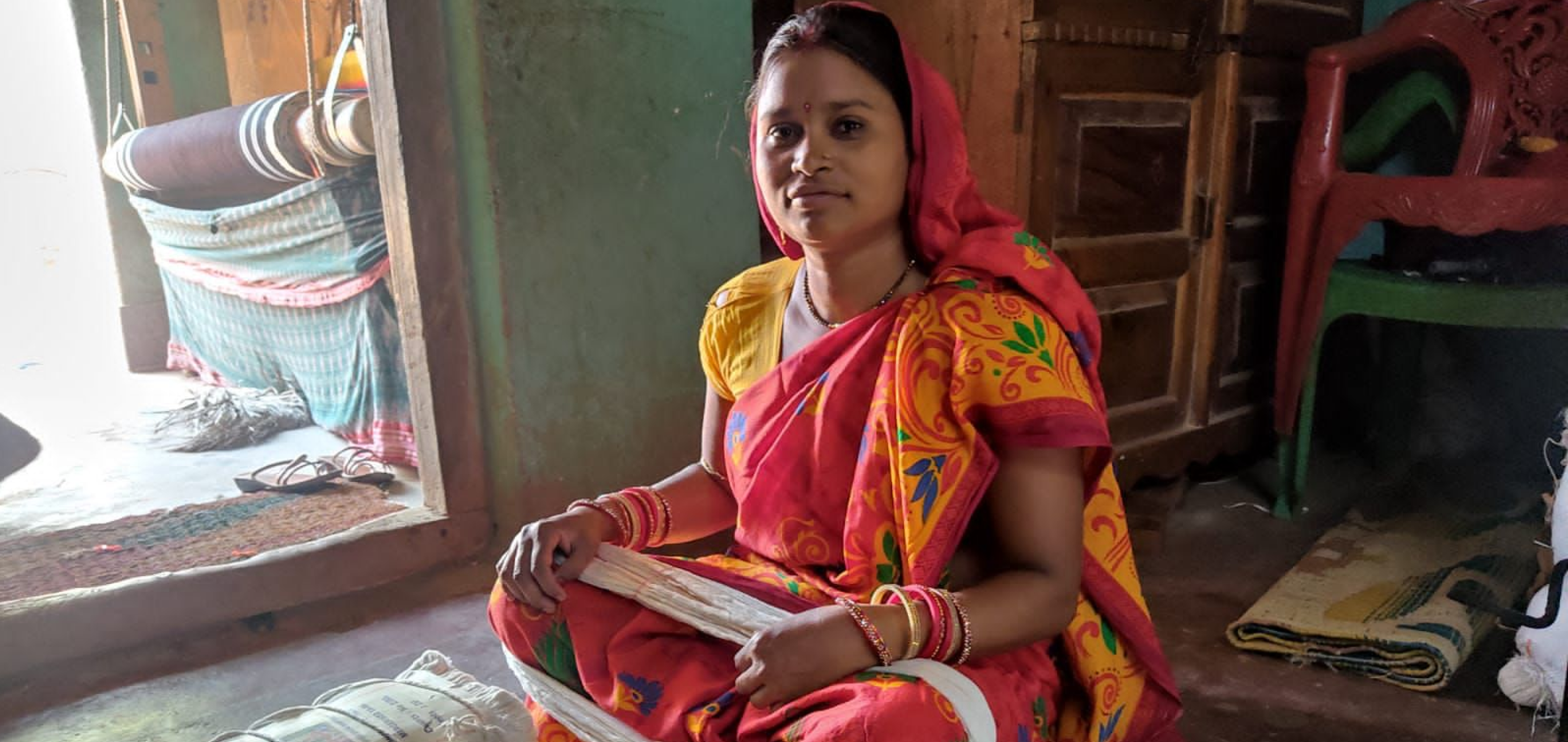
Affirmative action in India transforms equality into empowerment
Affirmative action examples in India show clear public interest benefits when designed and monitored well
Reserved entries open doors to colleges and civil services that previously excluded whole communities. This supports merit by letting talent surface from a wider pool. The roster-based system ensures transparent and auditable appointments.
Reservation of seats in panchayats and municipalities, and now one-third for women in Parliament and State Assemblies through the 106th Amendment, improves who gets heard when public money is allocated.
The creamy layer rule for OBC focuses benefits on the less advantaged within that category. EWS provides an economic filter outside SC/ST/OBC for admissions and posts in line with the 103rd Amendment.
Reservation for women in Panchayati Raj Institutions has produced a large bench of elected leaders. As of 2025, India has about 14.5 lakh women representatives, roughly 46% of all PRI members, with many states opting for a 50% quota. This scale of representation strengthens local decision-making and community voice.
The Stand-Up India scheme has scaled institutional credit to priority beneficiaries. By 17 March 2025, total sanctions crossed ₹61,020 crore since launch, and nearly ₹29,000 crore was sanctioned in the Apr 2022–Mar 2025 period alone. This improves the financing ladder for new enterprises from affirmative action communities.
Article 46 directs the State to promote the educational and economic interests of weaker sections and protect them from social injustice. This constitutional anchor keeps affirmative action policy in India on a long-term footing across governments and plans, which is critical for cumulative impact.
Implemented well, affirmative action moves beyond quotas to expand capability, bringing talent, voice, and enterprise from historically marginalized groups into the mainstream.
Skills (training) - Tata Power, through TPSDI, has trained 3.43 lakh+ people, including 240+ women-only green-energy cohorts, thereby expanding entry-level talent.
Skills (institution support) - TPSDI supported 83 ITIs to align curriculum and assessments to make AA youth job-ready.
Employment - Through the women-led Tejaswini Group in Mumbai distribution and an about 80% women workforce at the 4.3 GW Tirunelveli cell-module plant, Tata Power increased women’s participation in operations.
Value-chain inclusion - Under its Affirmative Action Policy, Tata Power prioritizes AA entrepreneurs on tie parameters and builds supplier capability through institutional partnerships, thereby widening the vendor base.
Some other examples of Affirmative Action in India are
Central ministries, departments, and CPSEs follow fixed reservation percentages in direct recruitment: 15% for Scheduled Castes, 7.5% for Scheduled Tribes, and 27% for Other Backward Classes. These rules are laid out in the Department of Personnel and Training office memoranda and compendia used by all central offices.
Admissions in many centrally funded educational institutions are governed by the Central Educational Institutions (Reservation in Admission) Act, 2006. The Act provides for the reservation of seats for SC, ST, and OBC students in specified central institutions, subject to stated exceptions and special situations.
The Constitution (One Hundred and Third) Amendment Act, 2019, inserted Article 15(6) and Article 16(6) to enable up to 10% reservation for Economically Weaker Sections of citizens who are not covered by SC, ST, or OBC quotas. The Act received presidential assent on 12 January 2019 and is part of the Constitution of India.
Stand Up India facilitates bank loans between ₹10 lakh and ₹1 crore to at least one SC or ST borrower and one woman borrower per bank branch for setting up a greenfield enterprise. It is implemented through the Department of Financial Services with a dedicated portal for handholding.
As a credible industry example, Tata Power runs a formal Affirmative Action Policy aligned to national goals and Tata Group guidance.
The policy is led from the top and focuses on four pillars: Education, Employability and Employment, Entrepreneurship, and Essential Enablers. It commits to volunteering training resources, building inclusion in value chains, and publicly disclosing progress. Tata Power Skill Development Institute (TPSDI) is a key delivery arm for employability. Recent disclosures show sustained outreach to affirmative action communities through TPCDT across these pillars.
To know more about corporate affirmative action in India, discover how Tata Power is partnering for inclusion with communities
Everyone deserves a wide horizon, not a wall at the starting line. Affirmative action in India is how we turn a long history of closed doors into open paths. The meaning of affirmative action is simple: fair access to learning, honest recruitment, and a real voice in public life. It removes roadblocks that history left behind. Progress looks like first-generation students in college, selection lists that reflect the class, and leaders who mirror communities. Keep stigma out, keep transparency in, and use data, clear rules, and support that stays long enough to work. If you lead a classroom, team, or policy desk, choose practices that welcome talent. As a citizen, stay curious, notice who is missing, and help someone take the next step.
The frequently asked questions section is a reliable source for unlocking answers to some of the most crucial inquiries. Please refer to this section for any queries you may have.
The definition of Affirmative action in India refers to special provisions the State can make to advance disadvantaged groups. The Constitution allows these measures in education and public jobs through Articles 15(4), 15(5), 15(6), and 16(4). Article 46 also asks the State to promote the educational and economic interests of weaker sections. This is the core of what is affirmative action in India.
Tata Power follows an Affirmative Action policy with positive discrimination and DEI programs that build education, employability, and inclusion for SC/ST, women, and persons with disabilities, while upholding equal opportunity and fair procurement. There is no reservation mandate in private sector jobs at the Union level; government policy encourages voluntary industry action, not compulsory quotas. For education, Article 15(6) extends EWS-related special provisions to private educational institutions, except minority institutions, also reflected in the Central Educational Institutions Act.
When EWS was introduced, institutions were told to increase total intake so that unreserved, SC, ST, and OBC seats were not reduced. Ministries issued orders to recast post-based rosters and expand capacity. This keeps affirmative action in India additive rather than redistributive in Central Educational Institutions.
For EWS, candidates need an Income and Asset Certificate in the notified format from a competent authority. For OBC, an OBC-NCL certificate in the prescribed format is required. The current DoPT annual reports note the ₹8 lakh creamy layer income limit in force. Always use the latest central formats when applying.
PwD reservation is a horizontal quota across categories. Under the PwD Act, 2016, Section 34, at least 4% of vacancies in government establishments are reserved for PwD. The rules clarify that it is horizontal and rostered separately, and DoPT has also issued instructions on promotion for PwD. This sits alongside vertical quotas for SC, ST, OBC, and EWS.
If a reserved category candidate is selected on the same standard as general candidates, they are counted against unreserved points. DoPT’s compendium and roster chapters codify this “own merit” rule and explain how it fits within the 50 percent calculation and post-based rosters. It prevents double-counting and keeps the affirmative action policy in India transparent.
The Supreme Court’s Constitution Bench struck down the Maratha reservation in 2021 and reaffirmed that crossing the 50 percent limit requires exceptional justification. This is the current position guiding affirmative action in India at the State level.
Yes. The Central Educational Institutions (Reservation in Admission) Act, 2006, does not apply to minority institutions. The Constitution, via Article 15(5) and 15(6), also recognizes this exception. This is important when discussing affirmative action examples in India across institutional types.
Two big examples: Article 243D and 243T reserve seats for women in Panchayats and Municipalities, and the 106th Constitutional Amendment (2023) provides for 33 percent reservation for women in Lok Sabha and State Assemblies, to be implemented after census and delimitation. Recent government updates show around 14.5 lakh elected women in PRIs, roughly 46 percent.
DoPT’s official brochures and chapters set out the 15 percent SC, 7.5 percent ST, and 27 percent OBC shares for most direct recruitment, and carry the operational detail for rosters and registers. These documents are the authoritative reference for what is affirmative action in Central services.
After M. Nagaraj v. Union of India (2006) and Jarnail Singh v. Lacchmi Narain Gupta (2018), governments must collect quantifiable, cadre-wise data on inadequate representation and consider administrative efficiency before granting promotion quotas. The Supreme Court has reiterated these conditions in subsequent orders, so departments must maintain strong data trails.
For central recruitment, you can lodge a grievance on CPGRAMS, the national portal that routes complaints to the right ministry. Service matters for Central Government employees can be taken to the Central Administrative Tribunal, which has multiple benches and an online case status system. Keep copies of ads, rosters, and certificates when filing.
Affirmative action works best when its nuances are understood. Rules can vary across the Centre and states, so percentages and timelines differ. Categories also follow distinct criteria: the creamy layer is for OBCs, SC and ST have separate norms, and EWS stands alone. At the Union level, promotions apply to SC and ST. EWS cannot be combined with other categories. Because universities and local bodies use their own statutes, knowing the local rulebook helps set clear expectations and encourages thoughtful implementation.
SPECIAL REPRESENTATION IN SERVICES FOR SC/ST
List of Scheduled Castes
Affirmative Action EMPOWERING SOCIETY FOR A BRIGHTER TOMORROWAbout Affirmative Action
Affirmative action and inclusivity
EWS Reservation
THE CONSTITUTION OF INDIA
The Constitution (Eighty-first Amendment) Act, 2000
The Constitution (Eighty-second Amendment) Act, 2000
The Gazette of India
Central Educational Institutions (Reservation in Admission) Act, 2006
Keep reading...
View all