


 Contact us
Blue economy balances economic growth with conservation


India’s coastline spans about 7,516.6 km (including both mainland and island coasts), and its fisheries and related sectors support around 28–30 million livelihoods. As one of the world’s top three fish-producing countries (about 8% of global production) and a key maritime trade hub, the nation’s future growth is deeply tied to the health of its oceans. This is where the concept of the blue economy in India takes center stage - integrating economic development with the sustainable use of marine and coastal resources.
But what is a blue economy, and why is it becoming central to a sustainable growth strategy? In this blog, we’ll break down how the blue economy works, explore its key sectors, and understand why it’s poised to reshape jobs, trade, and sustainability across India’s coasts. Dive in to discover how ocean-led growth is defining India’s next frontier.
Blue economy means using the sea’s natural resources for the good of economic growth, improved livelihoods, and jobs, without harming the ocean’s health or resources. It is defined by India’s Ministry of Earth Sciences as the part of the economy that includes all ocean and coastal resources and infrastructure, linking marine activities to growth, sustainability and national security. This approach balances economic growth with conservation. For example, catching seafood without overfishing or using wind energy from the ocean instead of burning coal further strengthening the use of marine renewable energy.
India’s blue economy model brings together the country’s marine resources, ecosystems, and ocean-linked industries into a single, sustainable growth framework. It treats oceans not just as extraction zones but as engines for climate resilience, clean energy, coastal livelihoods, and modern maritime infrastructure.
Natural resources - Living natural resources, fisheries and aquaculture, supplying food and jobs. Investments finance hatcheries, boats, cold chains, and value-chain infrastructure, so producers can capture more value and reduce post-harvest losses. The PMMSY programme is the central example of these interventions.
Blue carbon and coastal ecosystems - These services come from mangroves, seagrasses, and tidal marshes. These habitats sequester carbon, reduce storm damage to coasts, and act as nurseries for fish. Restoration and protection create climate and livelihood benefits. National programmes now explicitly fund mangrove restoration and protection.
Non-living resources - These include offshore wind, tidal and wave energy, and seabed minerals. These offer marine renewable energy and industrial inputs if leased and regulated carefully. The government has started framing lease rules and pilot auctions for offshore wind.
Logistics - Ports, shipping, and logistics provide the trade backbone. Modernizing ports and reducing logistics costs raises trade competitiveness and creates port-linked jobs. Sagarmala is the main national programme in this area.
Governance and ocean accounting - Governance, ocean accounting, and data make the model measurable and transparent. Ocean ecosystem accounts are being developed to value ocean services and guide decisions.
In short, the blue economy converts ocean services into economic opportunities in a way that values and protects the ecosystems they depend on.
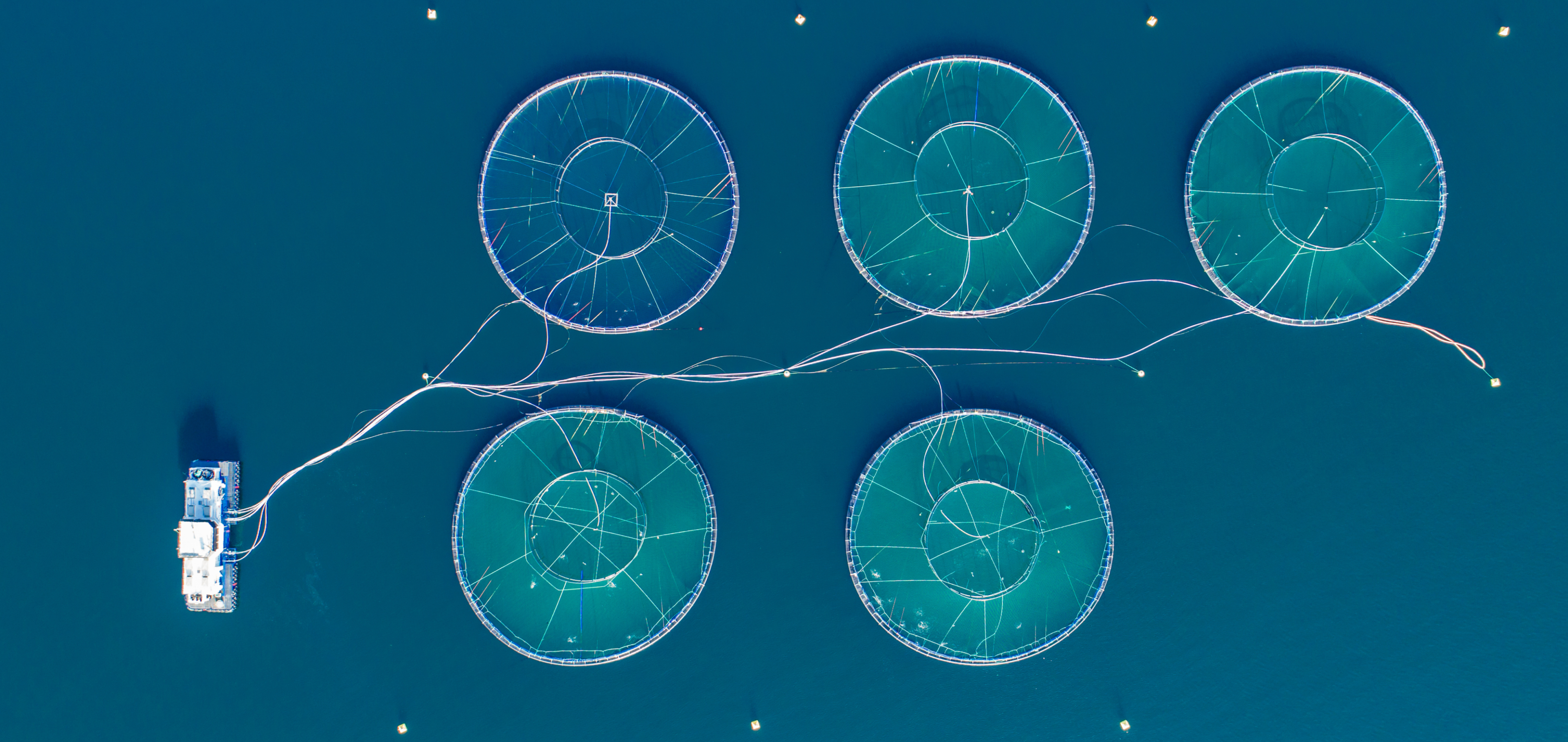
Blue economy balances economic growth with conservation
The blue economy in India covers fisheries, ports, tourism, and marine technology, driving growth, jobs, and sustainable coastal development nationwide. Here’s how -
The fishing industry is a cornerstone of India’s blue economy. India recorded fish production of 175.45 lakh tonnes in FY 2022–23, and seafood exports reached ₹60,523.89 crore in FY 2023–24. At the primary level, the fisheries sector provides livelihoods to more than 2.8 crore fishers and fish farmers, with many more engaged along the value chain. Inland fish production reached about 131.13 lakh tonnes in 2022–23; aquaculture (a major component of inland production) has been a major driver.
This boom is supported by government schemes that build cold storage, modern boats, and processing units. Modernizing fleets and gears is a priority – Niti Aayog’s report stresses upgrading fishing boats and better market linkages to tap deep-sea resources. All this boosts income while aiming for sustainable practices (like marine sanctuaries, sustainable fisheries and regulated catch).
India relies heavily on maritime trade. Nearly 95% of all cargo by volume moves through our seaports. Major ports on the Arabian Sea (West Coast) and Bay of Bengal (East Coast) handle containers, oil, minerals and more. Under Sagarmala project, India identified 839 projects to enhance port connectivity, port-led industrialization and waterways.
Improving these ports not only reduces logistics costs but also strengthens India’s standing as a global maritime hub. Marine logistics (shipbuilding, port services) create jobs in coastal states, strengthening the model of blue economy in India. This sector keeps essential goods flowing, from oil imports to exporting farm and factory products.
Coastlines and islands are also economic assets. States like Goa, Kerala, and Gujarat attract tourists to beaches, mangroves, and heritage sites. Boating, scuba diving, and ecotourism in the Sundarbans or Andaman Islands bring income to local communities. The government is encouraging sustainable coastal tourism. For example, funding coral reefs and mangrove conservation through the National Coastal Mission.
Healthy mangroves not only protect shores from storms but also sequester carbon (blue carbon). Keeping beaches clean under campaigns like ‘Swachh Sagar, Surakshit Sagar’ also makes tourist spots more attractive. In all, tourism diversifies the blue economy beyond traditional industries.
India’s blue economy strategy includes tapping ocean energy and tech. Research institutes like NIOT are exploring offshore wind projects in India, wave energy and Ocean Thermal Energy Conversion (OTEC) to power coastal areas. For example, studies are underway to design an OTEC-driven desalination plant. These projects are still in the early stage, helping the nation become one of the emerging blue economy sectors in the world.
On the tech side, India is building a deep-sea exploration submarine (Samudrayaan project) to map the seafloor and harvest minerals responsibly. Such technology also contributes to environmental science. E.g., subs provide data on ocean life and climate. The Deep Ocean Mission was approved with an estimated outlay of ₹4,077 crore (over five years) to support research, technology development and exploration of deep-sea resources and biodiversity.
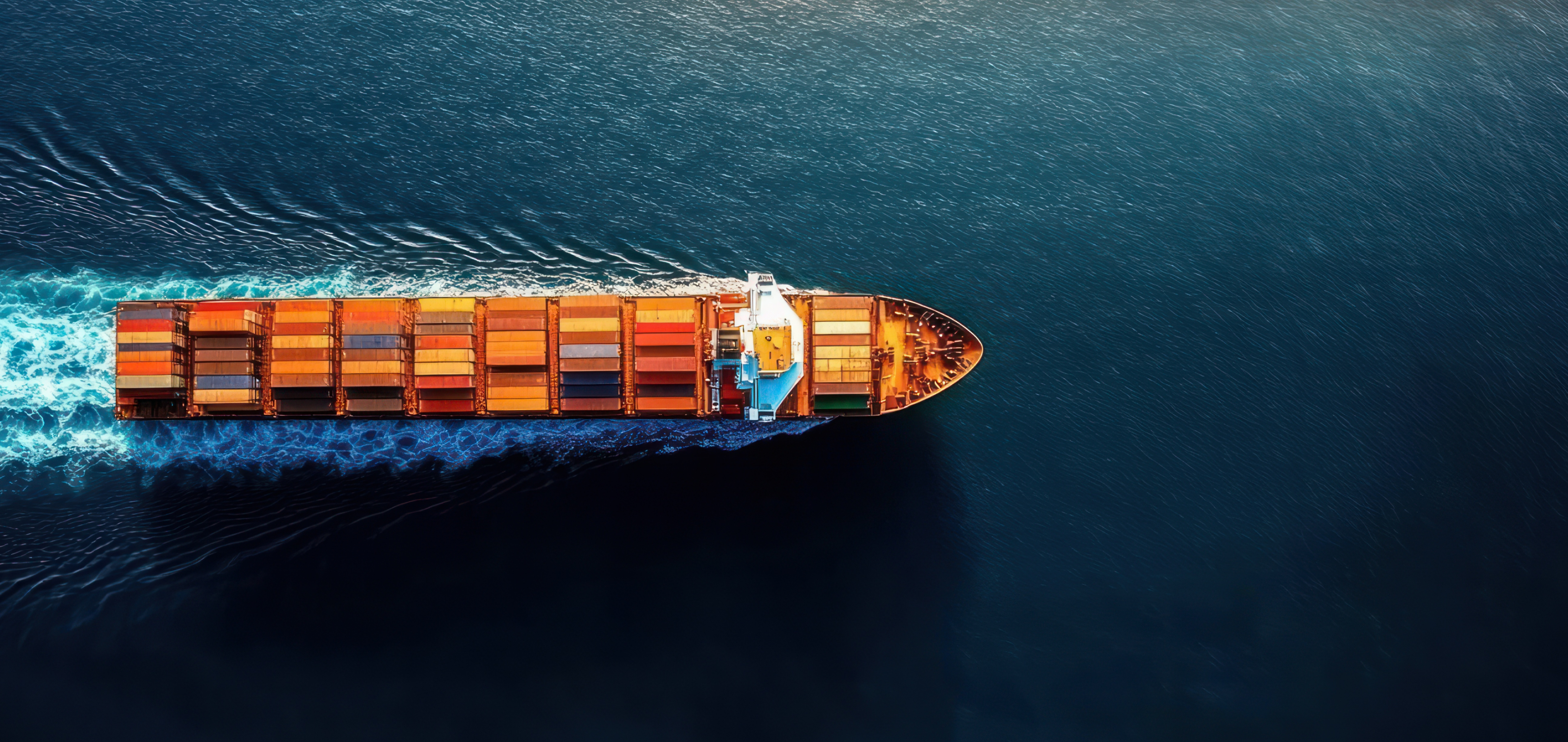
Blue economy in India brings together the marine-linked resources under one framework
Importance of blue economy for India is practical and strategic. The main reasons are -
The blue economy is a vital engine for India’s economy. It contributes roughly 4% to India’s GDP through sectors like fisheries, ports and coastal industries. Approximately, ~95% of Indian trade by volume goes by sea, so a strong maritime sector underpins both exports and imports. Seafood exports alone have doubled in a decade, showing growth potential. By developing port infrastructure and shipping services, India can increase exports of goods and marine products, helping the overall economy.
Millions of Indians living on the coast depend on the sea. Fisherfolk, boat builders, port workers, tourism guides, and others rely on marine industries. The fisheries sector alone sustains ~30 million people. A healthy blue economy means more jobs and higher incomes for these communities. Skill training and “cluster” development (where villages work together) create new opportunities. For example, PMMSY (Pradhan Mantri Matsya Sampada Yojana) promotes fishermen’s cooperatives and fish processing clusters. Supporting coastal jobs also helps reduce poverty in rural areas.
Fish is a key source of protein and nutrients for millions of Indians. By growing domestic fish production (inland and marine), India improves food security and lowers reliance on imports. The government’s push for aquaculture means more affordable fish and shrimp for consumers, which helps nutritional outcomes. In a vast country, coastal fisheries are an important buffer against crop failures.
The blue economy has huge environmental benefits, too. Coastal ecosystems (mangroves, seagrasses, salt marshes) capture and store carbon – called “blue carbon.” India is mapping these carbon stocks in mangroves to inform climate strategy. Protecting and restoring mangroves (under the MISHTI initiative, for example) safeguards shorelines from storms and erosion, protecting homes and livelihoods. Marine habitats also act as natural fisheries nurseries. In developing its blue economy, India is embedding sustainability and resilience – using nature-based solutions for climate adaptation.
A strong blue economy helps secure India’s maritime interests. By patrolling its seas and exploring its waters, India protects its Exclusive Economic Zone (EEZ) and offshore resources. Collaborating with neighboring countries on Indian Ocean projects boosts regional ties. Investments in the blue economy (like deep-sea tech and ports) also have a strategic edge, ensuring India remains influential in Asian waters.
India’s blue economy stands at the crossroads of opportunity and responsibility. With vast coastlines, thriving fisheries, and emerging marine technologies, it holds the power to drive economic growth while preserving our oceans. Investing in sustainable marine industries means more jobs, cleaner energy, and stronger coastal resilience. But realizing this vision requires collaboration between policymakers, industry, and communities. The future of the blue economy in India depends on how wisely we use its potential today. It’s time to look beyond the shore, support ocean-smart initiatives, and make the blue economy a pillar of India’s sustainable growth story.
Data and insights are based on official government and industry sources. Figures may vary with updated releases. This content is for informational purposes only.
The frequently asked questions section is a reliable source for unlocking answers to some of the most crucial inquiries. Please refer to this section for any queries you may have.
A blue economy refers to the sustainable use of ocean and coastal resources to drive economic growth, improve livelihoods, and support jobs while preserving marine ecosystems. It focuses on sectors such as fisheries, shipping, renewable ocean energy, coastal tourism, and marine biotechnology. The core idea is to balance development with long-term ocean health, ensuring that economic activity does not degrade biodiversity, water quality, or coastal resilience.
Blue carbon is carbon stored in coastal and marine ecosystems such as mangroves and seagrasses. It matters because protecting these habitats reduces greenhouse gas emissions, buffers coasts from storms, and supports fisheries. India funds mangrove restoration through MISHTI and CAMPA mechanisms, which provide both ecological and livelihood benefits. Including blue carbon in planning strengthens adaptation and mitigation at low cost.
Track PMMSY (Pradhan Mantri Matsya Sampada Yojana) approvals for fisheries clusters and cold chains, Sagarmala port modernization and connectivity lists, MNRE offshore wind guidance and upcoming lease auctions, MOSPI’s ocean ecosystem accounts outputs, and MoES Deep Ocean Mission milestones for technology and mapping. These official portals publish project lists, funding allocations, and state-wise details.
Communities can benefit through beneficiary focused elements under PMMSY such as boat replacement, cold chain access, and formation of Fish Farmer Producer Organizations, and through MISHTI which funds mangrove restoration with livelihood components. The key is local implementation, capacity building and transparent benefit sharing so small fishers and women receive direct gains. Official scheme documents outline these beneficiary provisions.
Key sectors include marine fisheries and aquaculture, shipping and ports, coastal tourism, and ocean energy. For example, India is a top fish producer, and our ports handle the bulk of international trade. The blue economy also covers emerging fields like offshore wind/thermal energy and marine biotech. These industries generate jobs and income across India’s coastal states.
India is exploring ocean-based clean energy to reduce carbon emissions. Examples include offshore wind farms and Ocean Thermal Energy Conversion (OTEC) for power and freshwater. These technologies turn sea water’s energy (wind, temperature differences) into electricity or desalinated water without pollution. Developing marine renewables diversifies India’s energy mix and creates green jobs, aligning with both blue economy and climate goals.
importance of the blue economy in India is evident: coastal and maritime sectors contribute about 4 % of GDP and link 95 % of trade by volume through sea routes. Enhancing ports, shipping, logistics and deep-sea resource use isn't just economic - it’s strategic for trade competitiveness and industrial value-chains.
Blue economy is important for India’s food security because fish and marine-based produce are major protein sources for coastal populations. Expanding sustainable aquaculture, improving processing and building marine supply chains strengthen both livelihoods and national nutrition goals while aligning with the blue economy meaning.
India faces several challenges in building a sustainable blue economy: over-exploitation of marine resources, pollution (especially plastic and land-run-off), weak coastal governance and lack of deep-sea infrastructure. Addressing these is vital if India is to scale its blue economy meaning into sustained growth.
Industry professionals can engage by investing in emerging sectors like marine renewables, biotech from ocean organisms, sustainable aquaculture, and coastal logistics. Applying the blue economy in India means aligning business outcomes with ecosystem health, using accessible policy frameworks, and collaborating across sectors to drive scale and impact.
Transforming India’s blue economy: Investment, innovation and sustainable growth
Department of fisheries
India’s blue economy – A draft policy framework
Sagarmala
Ocean ecosystem accounts in India – A framework
Advanced Marine Station for Ocean Biology
Deep sea mining
Maritime India - From Vision 2030 to Amrit Kaal 2047
India’s blue economy
Keep reading...
View all