


 Contact us
Aspect | CCS (Carbon Capture and Storage) | CCUS (Carbon Capture, Utilization and Storage) |
Definition | Capturing CO₂ and storing it underground | Short outages |
Primary Goal | Prevent CO₂ emissions by storage | Longer outages |
Use of Captured Carbon | Storage only | Storage or conversion into fuels, chemicals, or materials |
Economic Benefits | Limited to carbon storage | Can generate economic value and support circular economy |
Applications | Industrial emission reduction | Industrial emission reduction + product manufacturing |
Example | Injecting CO₂ into saline aquifers | Using captured CO₂ to produce synthetic fuels or concrete |


Sections
- Introduction
- What is Carbon Capture, Utilization and Storage (CCUS)?
- How Does Carbon Capture, Utilization and Storage Work?
- Key Benefits of Carbon Capture and Storage
- Difference Between Carbon Capture, Utilization and Storage (CCUS) and Carbon Capture and Storage (CCS)
- Carbon Capture, Utilization and Storage Technologies and Applications
- Different Carbon Capture Methods Explained
- Role of CCUS in India’s Renewable Energy and Net-Zero Goals
- Global and India-Specific Policies Supporting CCUS
- Overview of CCUS Projects Worldwide and in India
- Bottomline
- FAQ
Introduction
Did you know that the world releases over 40 billion tons of carbon dioxide into the air every year? Reducing this number is critical to slowing down climate change. One way to do this is through carbon capture and storage, or CCS. This technology catches carbon dioxide before it reaches the atmosphere and stores it safely underground. By doing so, it can stop millions of tons of harmful emissions from polluting our air.
When captured carbon is put to use, the process is called carbon capture, utilization, and storage, or CCUS. This helps industries lower their carbon footprint while still growing. Let’s explore the basics of carbon capture, utilization, and storage in more detail.
What is Carbon Capture Utilization and Storage (CCUS)
Carbon capture, utilization and storage, often shortened to CCUS, is a group of technologies that help reduce carbon dioxide emissions. It works by capturing carbon dioxide from large sources like power plants or factories before it enters the air. Once captured, the carbon can either be stored deep underground or used to make useful products.
The idea behind CCUS is simple. Instead of letting carbon escape into the atmosphere, we collect it, move it, and either store it safely or turn it into something useful. This could include building materials, fuels, or even plastics. When the focus is only on capturing and storing the carbon, it is often called carbon capture and storage, or CCS.
CCUS plays an important role in cutting emissions from industries that are hard to clean up, such as steel, cement, and chemicals. It is also being explored in power generation, especially when combined with cleaner fuels. With growing pressure to lower emissions, many experts see carbon capture technology as a key tool for meeting climate goals.
Now that we understand what CCUS means, let us look at how this process actually works.
How Does Carbon Capture, Utilization and Storage work?
Carbon capture process involves three main steps: capture, transport, and storage or utilization. Understanding how carbon capture works helps highlight its role in reducing emissions.
Step 1: Capturing the carbon
This happens at large industrial sites or power plants that burn fossil fuels. Special systems using various carbon capture methods are set up to catch carbon dioxide before it leaves through chimneys or exhaust systems. These systems can be added to existing facilities or built into new ones. This step is at the heart of carbon capture technology.
Step 2: Transporting the captured carbon
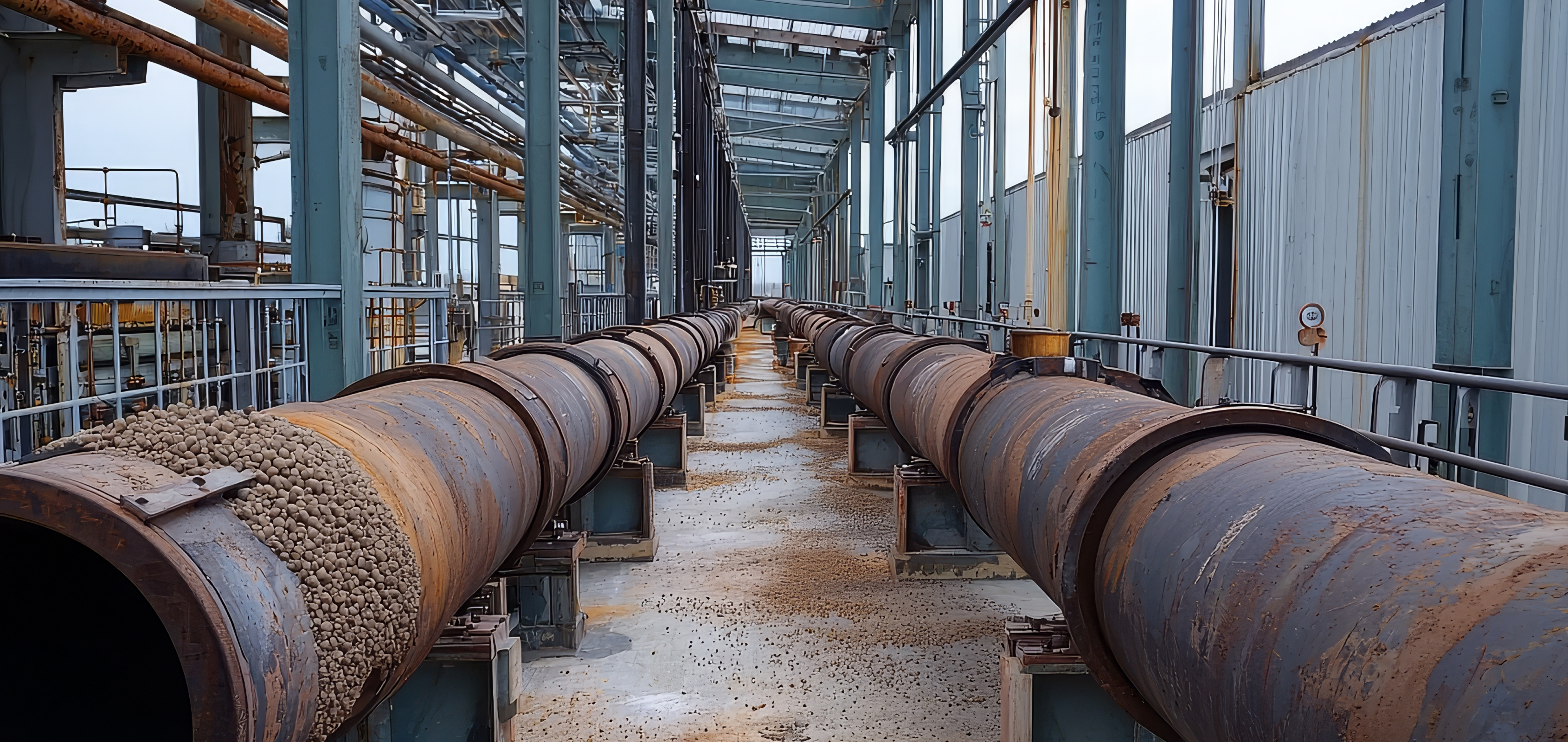
Once collected, the carbon dioxide is compressed into a liquid-like state. It is then moved through pipelines, by ship or by truck to the place where it will be stored or used. These transport networks already exist in some parts of the world and are expanding as carbon capture and storage technology grows.
Step 3: Storage or utilization
For storage, the carbon is injected deep underground into rock formations that can hold it safely for thousands of years. These are often former oil and gas fields or natural saline aquifers. For utilization, the carbon is turned into useful products like building materials, fuels or chemicals. This is where the "utilization" part of carbon capture, utilization and storage comes in.
This entire carbon capture process is designed to reduce the amount of carbon dioxide released into the atmosphere. It supports the shift to a low-carbon future while still making use of existing energy systems. In the next section, we will look at the benefits of carbon capture and storage and why this technology is gaining global attention.
What are the benefits of Carbon Capture and Storage?
The benefits of carbon capture and storage, along with carbon capture utilization and storage, are significant in the global effort to reduce carbon emissions. Understanding why carbon capture is important helps highlight its role in achieving the importance of decarbonization for a sustainable future. Some of the key advantages include:
· Reduces industrial emissions:
Carbon capture and storage helps reduce carbon dioxide from high-emission sectors like cement, steel, and power generation. This lowers their environmental impact without needing to shut them down.
· Works with existing infrastructure:
Carbon capture technology can be retrofitted into existing plants. This makes it more cost-effective compared to replacing entire systems with new low-carbon alternatives.
· Supports energy security:
Countries can continue using their existing energy mix while lowering emissions. This reduces reliance on imported fuels and supports stable energy access.
· Enables carbon utilization:
Captured carbon can be turned into valuable products such as concrete, fuels, plastics, or even used to enhance oil recovery. This creates circular economy benefits.
· Creates new jobs and economic opportunities:
CCUS projects generate jobs in construction, engineering, operations, and research. The growth of this sector can support local economies and attract clean tech investments.
· Protects ecosystems and air quality:
By preventing carbon from reaching the atmosphere, carbon capture and storage helps reduce the risk of rising temperatures, ocean acidification, and biodiversity loss.
· Helps meet international climate targets:
Global agreements like the Paris Accord rely on technologies like CCUS to limit temperature rise. It is often listed as essential in national climate roadmaps.
· Supports innovation and R&D:
Investment in carbon capture technology drives innovation in materials science, clean fuels, and energy efficiency, leading to long-term climate solutions.
Is there a difference between Carbon Capture, Utilization and Storage (CCUS) and Carbon Capture and Storage (CCS)?
Many people use the terms CCUS and CCS as if they mean the same thing. The terms CCUS and CCS are often used interchangeably, but there is a clear difference between the two.
Carbon capture and storage (CCS) focuses only on capturing carbon dioxide from industrial or power plants and storing it safely underground. The main goal is to prevent CO₂ from entering the atmosphere and contributing to climate change.
Carbon capture, utilization and storage (CCUS) goes one step further. After capturing the carbon, it can either be stored underground or put to use in making new products. This “utilization” part can involve turning captured carbon into fuels, chemicals, building materials, or other useful items.
Because CCUS includes utilization, it can create more economic value and support a circular carbon economy. CCS, on the other hand, is mainly about preventing emissions through storage alone.
Both technologies are important for reducing carbon emissions. However, CCUS offers more pathways to lower carbon footprints while creating new opportunities for businesses.
In the next section, we will explore different technologies and applications involved in carbon capture, utilization and storage.
What are the different Carbon Capture, Utilization and Storage technologies and applications?
Carbon capture, utilization and storage uses several technologies and applications to reduce carbon dioxide emissions. These methods capture carbon from the air or industrial sources, and then either store it safely or turn it into useful products. Here are the main types of technologies and applications:
- Post-combustion capture:
This method captures carbon dioxide from the gases released after burning fossil fuels in power plants or factories. Chemicals called solvents absorb CO₂ before it escapes into the air. It can be added to existing plants but can require a lot of energy. - Pre-combustion capture:
In this process, fossil fuels are treated before burning. The fuel is converted into a mix of hydrogen and carbon dioxide. The CO₂ is captured, and the hydrogen can be used as a clean fuel. This technology is often used in industrial settings. - Oxy-fuel combustion:
Fossil fuels are burned in oxygen instead of air. This creates a gas mixture mostly made of CO₂ and water vapor, making it easier to separate and capture the carbon dioxide. - Direct air capture (DAC):
This technology captures carbon dioxide directly from the atmosphere. It uses chemical processes to pull CO₂ from the air, which has a much lower concentration than emissions from power plants. DAC is still developing but could help remove past emissions from the air. - Membrane separation:
This newer method uses membranes that act like filters to separate carbon dioxide from other gases. It can be energy-efficient and is being studied for different industrial uses. - Chemical looping:
A promising technology where oxygen is supplied to fuel without direct contact with air, capturing CO₂ more efficiently. It is still in research stages. - Bioenergy with Carbon Capture and Storage (BECCS):
This method captures carbon from burning biomass (plants or waste). Since plants absorb CO₂ when growing, capturing it after burning can lead to negative emissions, meaning it removes more carbon from the air than it adds.
Carbon utilization applications include:
- Turning captured carbon into building materials like concrete or aggregates, which can reduce emissions in construction.
- Producing synthetic fuels or chemicals that can replace fossil-based products.
- Creating plastics and polymers using CO₂ as a raw material.
- Using CO₂ for enhanced oil recovery (EOR), where it is injected into oil wells to extract more oil. While this extends fossil fuel use, it also stores carbon underground.
- Exploring newer uses such as growing algae for biofuels or food supplements with captured CO₂.
Storage applications:
- Saline aquifers:
Deep underground porous rock formations filled with salty water. These formations can store large amounts of carbon dioxide safely for thousands of years. - Depleted oil and gas reservoirs:
Old oil and gas fields that have been emptied can hold CO₂ underground. These sites are well understood and monitored. - Basalt formations:
Certain volcanic rocks can chemically react with CO₂ to trap it as solid minerals, offering permanent storage. - Monitoring and verification technologies are crucial to ensure stored CO₂ does not leak and stays safely underground over time.
What Are the Different Carbon Capture Methods?
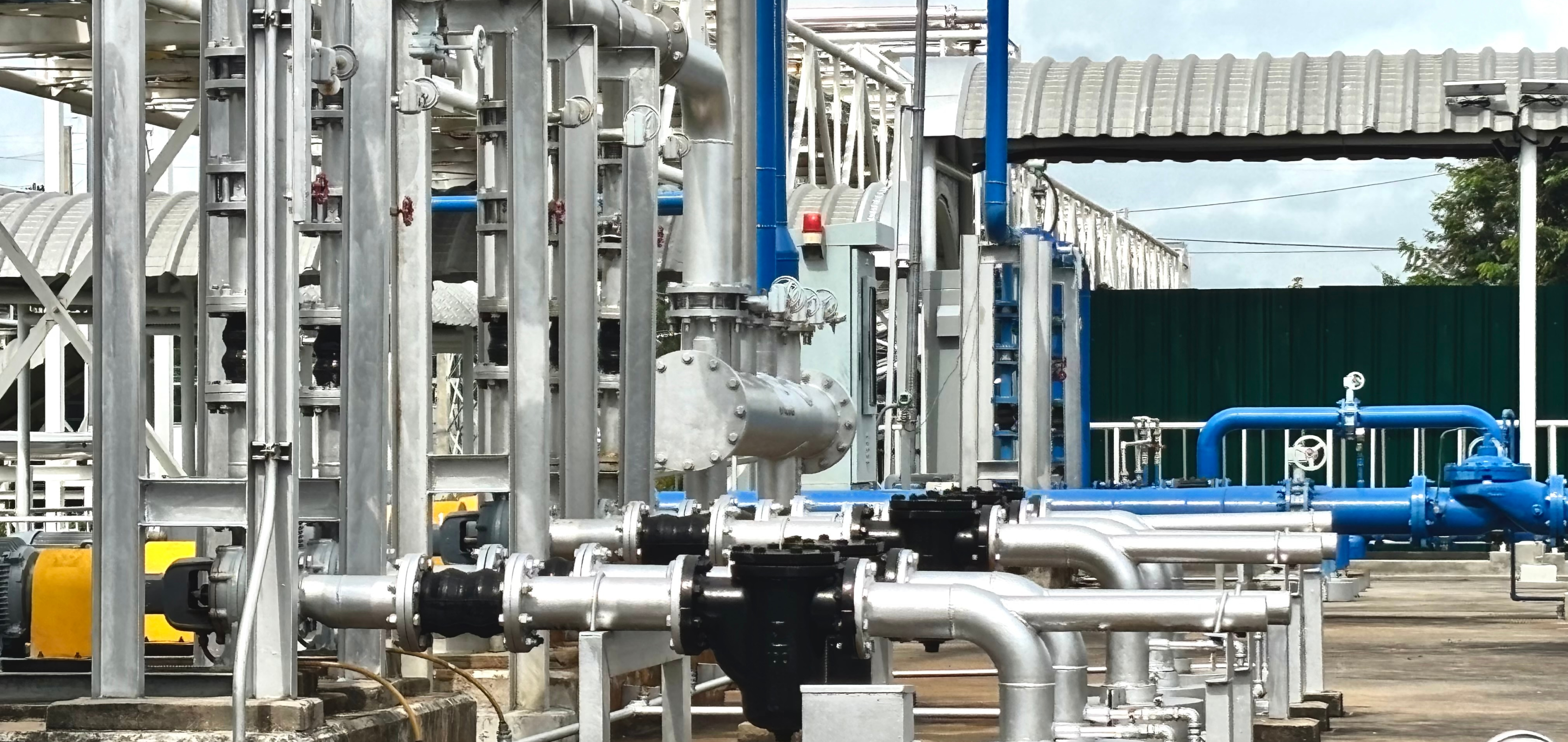
Capturing carbon dioxide is a critical part of the carbon capture, utilization and storage process. Various carbon capture methods are used depending on the source of carbon and the available technology. Understanding what is carbon capture technology helps to see how these methods work in practice. The main methods to capture carbon include:
- Absorption:
This is the most common method. It uses liquid solvents that chemically bind with carbon dioxide when the gas passes through them. The carbon is then separated from the solvent to be stored or used. This method is often used in post-combustion capture. - Adsorption:
Instead of liquids, this method uses solid materials like activated carbon or zeolites that attract and hold CO₂ on their surface. When heated, these materials release the carbon dioxide for capture. - Membrane separation:
Special membranes act like filters, letting some gases pass while blocking others. CO₂ is separated based on size or chemical properties. This method can be energy-efficient and is being developed for various industries. - Cryogenic distillation:
Carbon dioxide is cooled until it turns into a liquid or solid form, making it easier to separate from other gases. This method is more energy-intensive and is usually used when high purity CO₂ is needed. - Calcium looping:
This uses calcium oxide to capture CO₂ by forming calcium carbonate. The carbonate is then heated to release pure CO₂ and regenerate calcium oxide for reuse.
Each method has its advantages and challenges. The choice depends on factors like the concentration of CO₂, the source gas, energy requirements, and costs.
Understanding these methods helps industries select the best way to reduce their emissions through carbon capture technology.
Role of CCUS in India’s renewable energy landscape: Scaling CCUS for India’s Net-Zero by 2070
India’s journey toward net-zero emissions by 2070 relies not only on renewables but also on technologies like CCUS. Key national agencies such as the Department of Science and Technology (DST) and NITI Aayog play an important role in supporting research, development, and policies that promote CCUS. Their efforts help position CCUS as a practical solution to lower emissions from heavy industries while balancing India’s growing energy needs.
CCUS can complement renewable energy by managing emissions from sectors where clean alternatives are still developing. This combined approach strengthens India’s path to a cleaner and more sustainable energy future.
- Supports India’s clean energy transition:
CCUS helps reduce emissions from hard-to-decarbonize industries such as cement, steel, and power generation. For example, Tata Steel has been exploring carbon capture technology to reduce CO₂ emissions in steel manufacturing, while Indian Oil Corporation is piloting CCUS projects in its refineries. This supports India’s shift to cleaner energy without disrupting economic growth. - Helps meet India’s net-zero target:
India has set an ambitious goal to reach net-zero emissions by 2070. Achieving this will require multiple strategies, and CCUS is a key part of the mix. It allows India to continue using necessary fossil fuels while cutting carbon emissions. - Improves energy efficiency:
By capturing and reusing carbon, industries can improve resource use and reduce waste. This contributes to more sustainable industrial processes. - Creates new business opportunities:
Utilizing captured carbon to produce synthetic fuels, chemicals, or building materials opens new markets and generates jobs. Projects like the Oil and Natural Gas Corporation’s (ONGC) CCUS initiatives in Gujarat are examples of how CCUS can foster economic growth. - Strengthens energy security:
CCUS enables continued use of domestic fossil fuel resources while reducing environmental impact. This lowers dependence on energy imports and helps stabilize supply. - Aligns with India’s climate policies:
The Indian government is encouraging research, pilot projects, and investments in CCUS as part of its climate and energy plans. This support will be vital for scaling the technology.
Incorporating CCUS into India’s renewable energy landscape will be crucial for balancing growth, sustainability, and climate goals. In the next section, we will look at the policies that guide CCUS development globally and in India.
How global and Indian policies are shaping Carbon Capture and Storage development
The development and deployment of CCUS technologies depend heavily on policy support and regulations. International organizations such as the International Energy Agency (IEA) and the Global CCS Institute provide guidance, data, and frameworks that help countries plan and implement CCUS projects worldwide.
In India, government bodies like the Department of Science and Technology (DST), NITI Aayog, and the Ministry of Environment, Forest and Climate Change (MoEFCC) work together to develop policies and funding schemes for CCUS research and projects. These agencies are crucial for creating a supportive environment that can accelerate the adoption of carbon capture technologies in India’s clean energy transition.
Global Policies:
- Many countries have included CCUS in their climate action plans and net-zero strategies.
- Governments offer financial incentives like tax credits, grants, and subsidies to encourage investment in carbon capture technology.
- International organizations promote knowledge sharing, research, and collaboration to speed up CCUS deployment.
- Some regions have created carbon pricing or emissions trading systems, which make it more cost-effective for companies to reduce emissions through CCUS.
India-Specific Policies:
- India’s government recognizes CCUS as a key technology to meet its climate targets and is promoting research and pilot projects.
- The Department of Science and Technology (DST) and other bodies have set up programs to fund CCUS innovation.
- Policies focus on integrating CCUS with renewable energy growth and industrial decarbonization.
- India is also engaging with international partners to build capacity and bring in global best practices.
- While regulations for CO₂ storage and transportation are still developing, the government is working to establish clear guidelines.
Strong policies and support systems are essential to overcome challenges like high costs and infrastructure gaps. With growing attention worldwide, CCUS is becoming an important part of climate and energy policies.
In the next section, we will explore global and India-specific CCUS projects that show how this technology is being put into action.
Key CCUS projects driving Carbon Capture and Storage technology: India and global
Carbon capture, utilization and storage is no longer just an idea, it is being put into action around the world and in India through various projects. Many CCUS projects worldwide receive backing from international coalitions such as the Oil and Gas Climate Initiative (OGCI) and support from agencies like the IEA. These projects demonstrate how carbon capture technologies can be scaled to reduce emissions from industries and power plants.
In India, CCUS projects often collaborate with national agencies like the Department of Science and Technology (DST) and are influenced by strategic plans from NITI Aayog. This partnership between government and industry is vital to building the infrastructure and technical expertise needed for India to meet its ambitious climate targets.
Global CCUS projects:
- Several large-scale CCUS projects operate worldwide, capturing millions of tons of CO₂ annually.
- Projects like Norway’s Sleipner have been safely storing carbon underground since the 1990s.
- The Boundary Dam project in Canada was the first commercial coal-fired power plant to use CCS technology at a large scale.
- In the United States, the Petra Nova project captured CO₂ from a coal plant for enhanced oil recovery.
- The Gorgon CO₂ Injection Project in Australia is one of the world’s largest CCUS operations linked to natural gas production.
- These projects provide valuable lessons on technology, regulation, and economics for future CCUS efforts.
India-specific CCUS projects:
- India has launched pilot projects focusing on carbon capture in industries like cement, steel, and power generation.
- The Tata Steel plant in Jamshedpur has explored carbon capture to reduce emissions from steel production.
- Research institutions and government agencies are partnering to develop CCUS technologies suited to India’s energy mix.
- Projects are also underway to explore carbon utilization, such as using captured CO₂ in concrete manufacturing.
- While India’s CCUS sector is still developing compared to global leaders, interest and investment are growing quickly.
These projects show that CCUS is a practical solution being tested and scaled worldwide. They also highlight the need for continued innovation, funding, and supportive policies.
Bottomline
Carbon capture, utilization and storage (CCUS) is a key tool in reducing greenhouse gas emissions, especially from industries that are hard to clean up. While renewables grow, CCUS helps manage emissions that can’t be avoided easily.
By capturing and safely storing or using carbon dioxide, CCUS supports a balanced and practical energy transition. In India and worldwide, it’s gaining importance for meeting climate goals like net-zero.
Though challenges like cost and infrastructure remain, ongoing innovation and policy support can help overcome them. CCUS works best as part of a wider effort alongside renewable energy and efficiency measures to build a cleaner future.
Frequently asked questions
The frequently asked questions section is a reliable source for unlocking answers to some of the most crucial inquiries. Please refer to this section for any queries you may have.
- FAQ
CCUS stands for carbon capture utilization and storage, a technology that captures carbon dioxide emissions from sources like power plants and either stores it underground or uses it to make products, reducing harmful CO₂ released into the atmosphere.
India needs CCUS to reduce emissions from heavy industries like cement and steel that are hard to decarbonize, helping the country balance economic growth with its climate goals.
Examples of CCUS in India include pilot projects at Tata Steel’s Jamshedpur plant and research initiatives supported by India’s Department of Science and Technology focusing on carbon capture storage and utilization technologies.
Carbon capture technology costs in India vary widely but are generally high due to infrastructure needs; ongoing government support aims to reduce costs through innovation and scaling.
Yes, CCUS is essential for India’s net-zero 2070 target by enabling emission reductions in sectors where renewables alone cannot fully replace fossil fuels.
Post-combustion capture is the most used carbon capture method, involving solvents that absorb CO₂ from flue gases after fuel combustion.
Carbon capture complements renewable energy by reducing emissions from industries and power plants where renewables are not yet viable, rather than replacing them.
The future of CCUS in India looks promising with growing government policies, increasing pilot projects, and integration into the country’s clean energy transition plans.
Carbon capture and storage is generally good as it reduces industrial emissions and supports climate goals, though it faces challenges like costs and infrastructure needs.
Norway’s Sleipner project is a leading example of carbon capture and storage, safely storing CO₂ underground since the 1990s.
CCS (carbon capture and storage) focuses solely on capturing and storing CO₂ underground, while CCU (carbon capture and utilization) also uses captured carbon to create products.
India’s CCUS policy promotes research, pilot projects, and collaboration to develop carbon capture utilization and storage technologies aligned with national climate goals.
Negatives include high costs, energy requirements, potential leakage risks, and the need for extensive infrastructure.
In India, DC fast charging refers to charging stations delivering 50 kW or more power directly to the battery, enabling rapid charging compared to AC chargers.
Carbon capture technology is promising as a crucial tool to reduce emissions, especially in hard-to-abate sectors, though it requires further innovation and policy support.
The Boundary Dam project in Canada is a real-life example where carbon capture technology is used at a coal-fired power plant.
The global carbon capture utilization and storage market is growing rapidly, expected to reach billions of dollars as countries invest in emission reduction technologies.
Sources
1. HANDBOOK of ELECTRIC VEHICLE CHARGING INFRASTRUCTURE IMPLEMENTATION
2. NATIONAL LEVEL POLICY
3. POLICIES REGARDING EV CHARGING FACILITIES
4. Amendment in revised consolidate guidelines
5. HANDBOOK of ELECTRIC VEHICLE CHARGING INFRASTRUCTURE IMPLEMENTATION
6. 12/2019-Central Tax (Rate)
7. Guidelines for Installation and Operation of Electric Vehicle Charging Infrastructure-2024 — reg.
8. Electric Mobility Promotion Scheme (EMPS), 2024
9. EV charging points must for all new housing societies
Keep reading...
View all