


 Contact us
Energy as a Service helps reduce costs, boost efficiency, and make simplify power management for businesses


Sections
- Introduction
- What is Energy as a Service (EaaS)?
- How EaaS functions: A step-by-step overview
- EaaS solutions: Practical energy services for businesses
- What is the history of Energy as a Service?
- Why companies are turning to Energy as a Service?
- Applications of Energy as a Service
- Who can benefit from EaaS?
- Inclusion that delivers progress with Tata Power
- What are the benefits of Energy as a Service?
- What are some examples of Energy as a Service?
- EaaS vs traditional energy models
- How EaaS is shaping the future of businesses in India?
- Choosing an Energy as a Service partner in India
- Bottomline
- FAQs
Introduction
Did you know that businesses in India spend up to 20–30% of their operational costs on energy? This growing financial pressure is one reason Energy as a Service in India has gained momentum, especially across sectors like manufacturing, commercial real estate, and large IT parks. With a subscription or pay-per-use model, EaaS allows organizations to access advanced energy technologies such as solar, battery storage, and smart energy management without the burden of owning or maintaining the infrastructure.
EaaS provides managed energy solutions that let businesses focus on their core operations while experts handle energy generation, efficiency upgrades, and monitoring. This model is transforming how Indian companies manage energy consumption and achieve sustainability targets.
What is Energy as a Service (EaaS)?
Energy as a Service, commonly known as EaaS, is a business model where companies provide end-to-end energy solutions on a subscription or pay-per-use basis. Instead of owning energy infrastructure, businesses access services such as renewable energy generation, energy efficiency upgrades, energy storage, and monitoring tools. The service provider handles all aspects of energy management, including installation, operation, and maintenance.
This model allows organizations to reduce upfront capital expenditures, lower operational risks, and benefit from the latest energy technologies without managing complex energy systems themselves. In India, where energy costs are a significant operational burden for businesses, EaaS offers a practical approach to achieving cost savings, improving efficiency, and meeting sustainability goals.
How EaaS functions: A step-by-step overview
Energy as a Service works by shifting the responsibility of energy management from the business to a dedicated service provider. Instead of purchasing and maintaining energy infrastructure, companies pay for outcomes such as energy efficiency improvements, renewable energy generation, or predictable energy supply. This allows businesses to focus on core operations while leveraging modern energy technologies.
Key components of how EaaS works include:
- Subscription or pay-per-use energy solutions: Instead of purchasing or maintaining their own energy infrastructure, businesses using the EaaS model pay for outcomes like improved energy efficiency, renewable energy generation, or a consistent and predictable energy supply, rather than the physical assets themselves.
- Provider handles the infrastructure: The EaaS provider designs, installs, operates, and maintains energy systems such as solar panels, battery storage, and energy-efficient lighting.
- Outcome-based performance: Customers pay for measurable results, such as kilowatt-hours saved, energy cost reductions, or emissions lowered, rather than the equipment itself.
- Predictable costs: By turning energy expenses into operational costs, businesses gain budget certainty and better financial planning.
- Technology access: Companies benefit from the latest energy solutions, including smart energy management systems and monitoring tools, without the risk of owning obsolete equipment.
This approach ensures businesses can improve efficiency, reduce energy costs, and meet sustainability targets while leaving technical and operational challenges to experts.
EaaS solutions: Practical energy services for businesses
Energy as a Service offers a range of solutions designed to help businesses reduce costs, improve efficiency, and meet sustainability goals. These solutions allow companies to leverage advanced energy technologies without the burden of ownership or management.
Key EaaS solutions include:
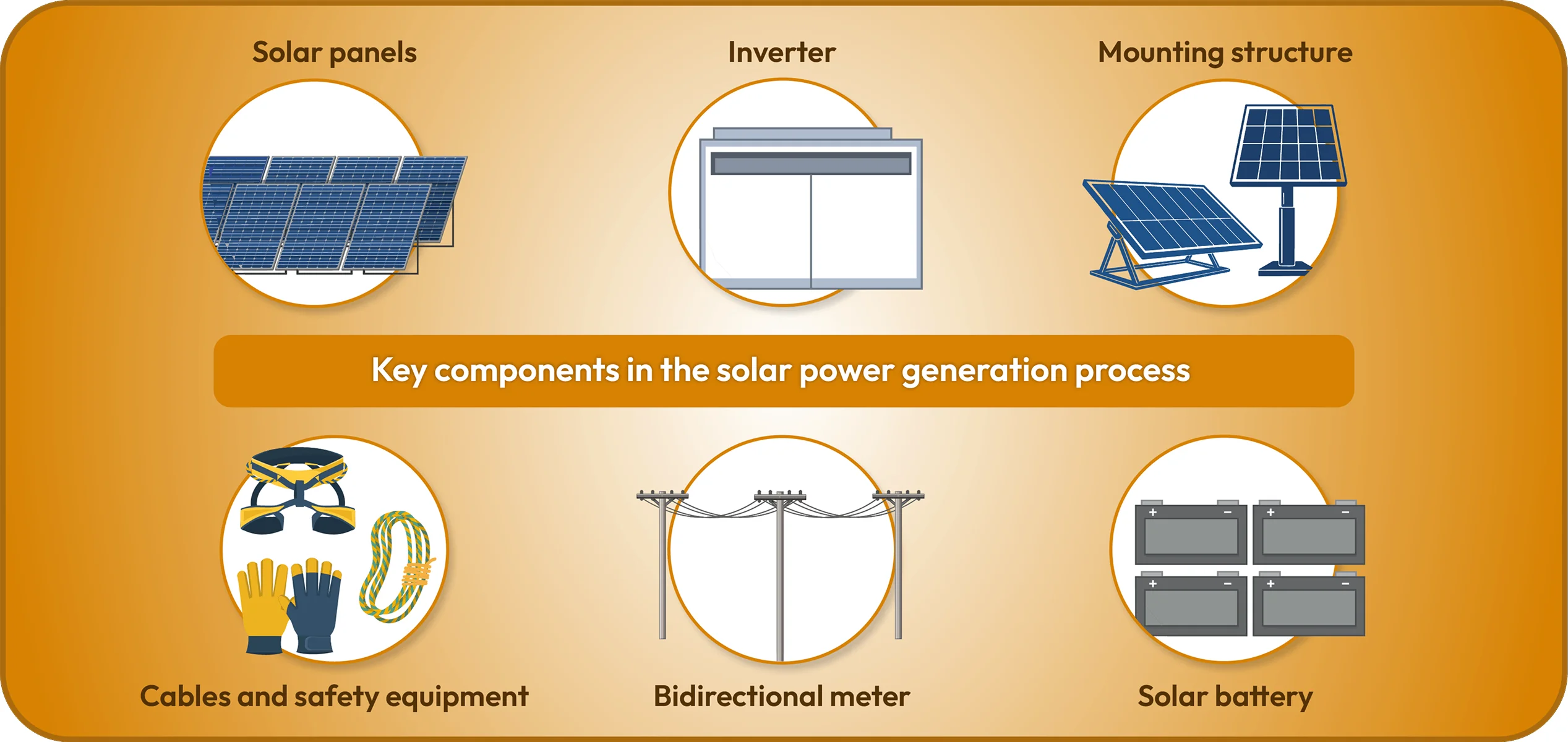
- Renewable energy generation: Providers install and manage on-site renewable energy systems such as solar panels or wind turbines, allowing businesses to generate clean energy and reduce reliance on grid electricity.
- Energy efficiency upgrades: Implementation of smart HVAC systems, LED lighting, and other efficiency measures helps reduce energy consumption and operational costs.
- Energy storage systems: Battery storage solutions optimize energy use, manage peak demand, and improve grid resilience.
- Energy management systems: Advanced monitoring tools and software enable businesses to track consumption, optimize performance, and make data-driven decisions.
- Comprehensive project management: From consulting and design to installation and ongoing monitoring, the provider handles every aspect of energy management.
These solutions provide predictable energy costs, operational efficiency, and access to cutting-edge technologies, enabling Indian businesses to focus on growth while achieving sustainability targets.

What is the history of Energy as a Service?
The concept of Energy as a Service emerged in response to the growing demand for energy efficiency, renewable energy adoption, and flexible business models. Early implementations focused on energy outsourcing and performance contracts, allowing large organizations to reduce costs while improving operational efficiency. Over time, the model expanded to include comprehensive energy solutions, integrating renewable generation, storage, and smart management systems.
In recent years, technological advancements such as IoT-enabled monitoring, smart grids, and advanced analytics have accelerated the adoption of EaaS worldwide. In India, rising energy costs, sustainability mandates, and government initiatives promoting renewable energy have created fertile ground for EaaS solutions. Today, businesses across sectors are increasingly leveraging EaaS to manage energy consumption, optimize costs, and meet corporate sustainability goals.
Why companies are turning to Energy as a Service?
Energy as a Service is becoming increasingly important for businesses because it offers a practical way to reduce energy costs, improve operational efficiency, and support sustainability goals. By shifting energy management responsibilities to specialized providers, companies can focus on their core operations while leveraging advanced energy technologies. In India, where energy expenses form a significant portion of business costs, EaaS provides both financial relief and operational predictability.
Impact on sustainable business practices
EaaS encourages the adoption of clean energy, energy efficiency measures, and smart management tools, helping businesses reduce carbon emissions and environmental impact. By integrating renewable energy generation, energy storage, and monitoring systems, companies can achieve measurable sustainability outcomes. According to the IEA, energy-efficiency measures, central to many EaaS solutions, have reduced global CO₂ emissions by nearly 20% since 2010. This model aligns with global ESG goals and India’s national renewable energy targets, making EaaS a key enabler for green business practices.
Applications of Energy as a Service
Energy as a Service (EaaS) is versatile and can be applied across various industries to optimize energy use, reduce costs, and support sustainability initiatives. Its flexible, outcome-focused model makes it suitable for businesses of all sizes and sectors that want to access advanced energy technologies without heavy upfront investments.
Key applications of EaaS for business:
- Commercial buildings: Implementing energy-efficient lighting, HVAC systems, and smart energy management to reduce operational costs and improve sustainability.
- Industrial facilities: Optimizing energy-intensive processes, integrating renewable energy generation, and using energy storage solutions for peak load management.
- Data centers and IT infrastructure: Leveraging EaaS for reliable power, energy monitoring, and backup storage to maintain uninterrupted operations.
- Retail and hospitality: Managing energy across multiple locations with efficiency upgrades and renewable energy adoption to lower costs and improve customer sustainability credentials.
- Educational and healthcare institutions: Ensuring reliable energy supply, integrating clean energy sources, and improving energy efficiency in high-demand facilities.
Who can benefit from EaaS?
EaaS is ideal for businesses looking to reduce operational costs, improve energy efficiency, adopt renewable energy solutions, or meet sustainability targets. It is particularly beneficial for organizations that want predictable energy costs and prefer to outsource energy management responsibilities to experts. In India, SMEs who often face tight budgets and fluctuating energy expenses are among the biggest beneficiaries of the EaaS model, along with larger enterprises across manufacturing, IT, and commercial real estate.
Inclusion that delivers progress with Tata Power
As a credible industry example, Tata Power runs a formal Affirmative Action Policy aligned to national goals and Tata Group guidance.
The policy is led from the top and focuses on four pillars: Education, Employability and Employment, Entrepreneurship, and Essential Enablers. It commits to volunteering training resources, building inclusion in value chains, and publicly disclosing progress. Tata Power Skill Development Institute (TPSDI) is a key delivery arm for employability. Recent disclosures show sustained outreach to affirmative action communities through TPCDT across these pillars.
To know more about corporate affirmative action in India, discover how Tata Power is partnering for inclusion with communities
What are the benefits of Energy as a Service?
Energy as a Service offers a wide range of benefits for businesses, making it a strategic choice for managing energy efficiently while supporting sustainability. By outsourcing energy management to experts, companies can access the latest technologies, reduce costs, and focus on their core operations.
Key benefits of EaaS for business include:
- Reduced capital expenditure: Businesses can implement energy solutions without large upfront investments, freeing up capital for other priorities.
- Predictable energy costs: Subscription or pay-per-use models provide financial predictability and simplify budgeting.
- Access to advanced technologies: Companies benefit from renewable energy systems, smart energy management tools, and energy storage solutions without owning the equipment.
- Operational efficiency: With energy management handled by experts, businesses can focus on growth and core operations.
- Risk mitigation: The EaaS provider assumes the risks associated with ownership, maintenance, and technology obsolescence.
- Sustainability and ESG alignment: EaaS helps companies reduce carbon emissions, integrate renewable energy, and meet environmental and regulatory goals.
In India, these benefits are particularly relevant as businesses face rising energy costs, increasing demand for sustainable operations, and government policies encouraging renewable energy adoption. EaaS offers a practical, cost-effective path to achieving efficiency and sustainability targets.
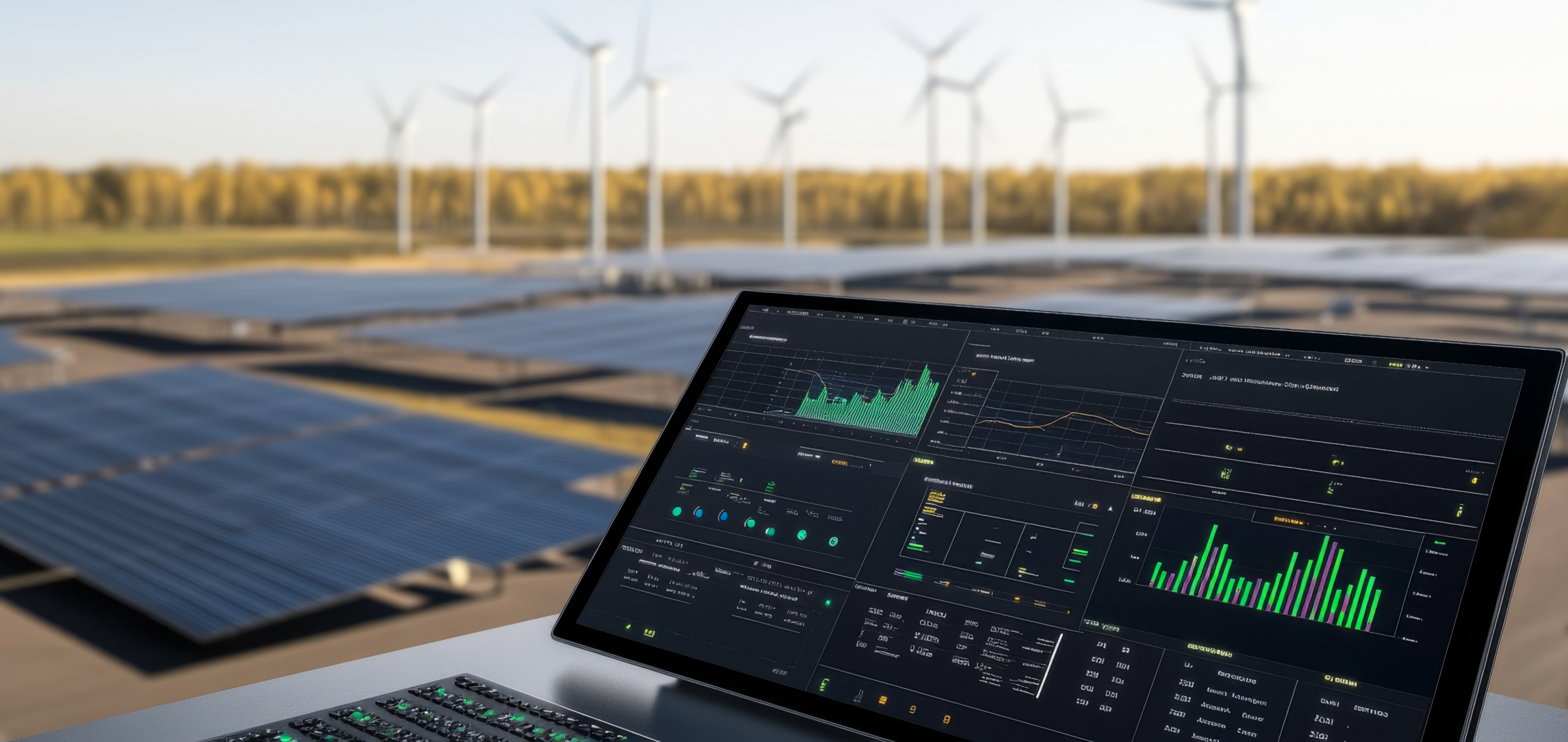
From on-site solar to cloud-based monitoring and tracking, EaaS offers a range of applications
What are some examples of Energy as a Service?
Energy as a Service covers a wide range of offerings where the provider handles installation, ownership, and maintenance while the customer pays for performance or outcomes. Key examples include:
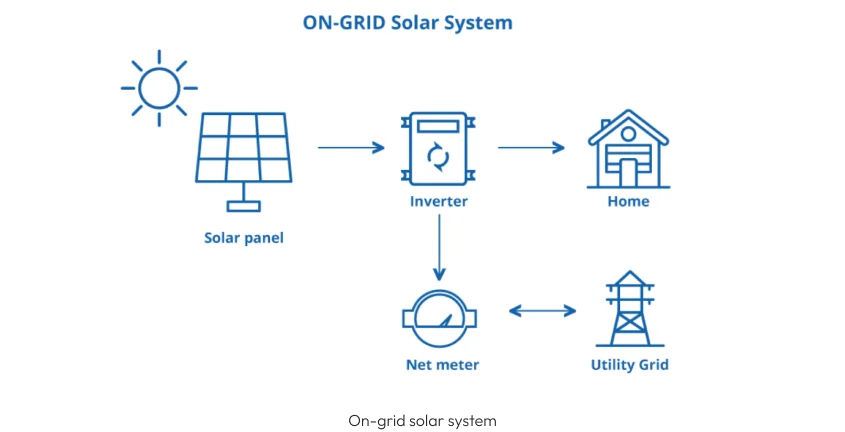
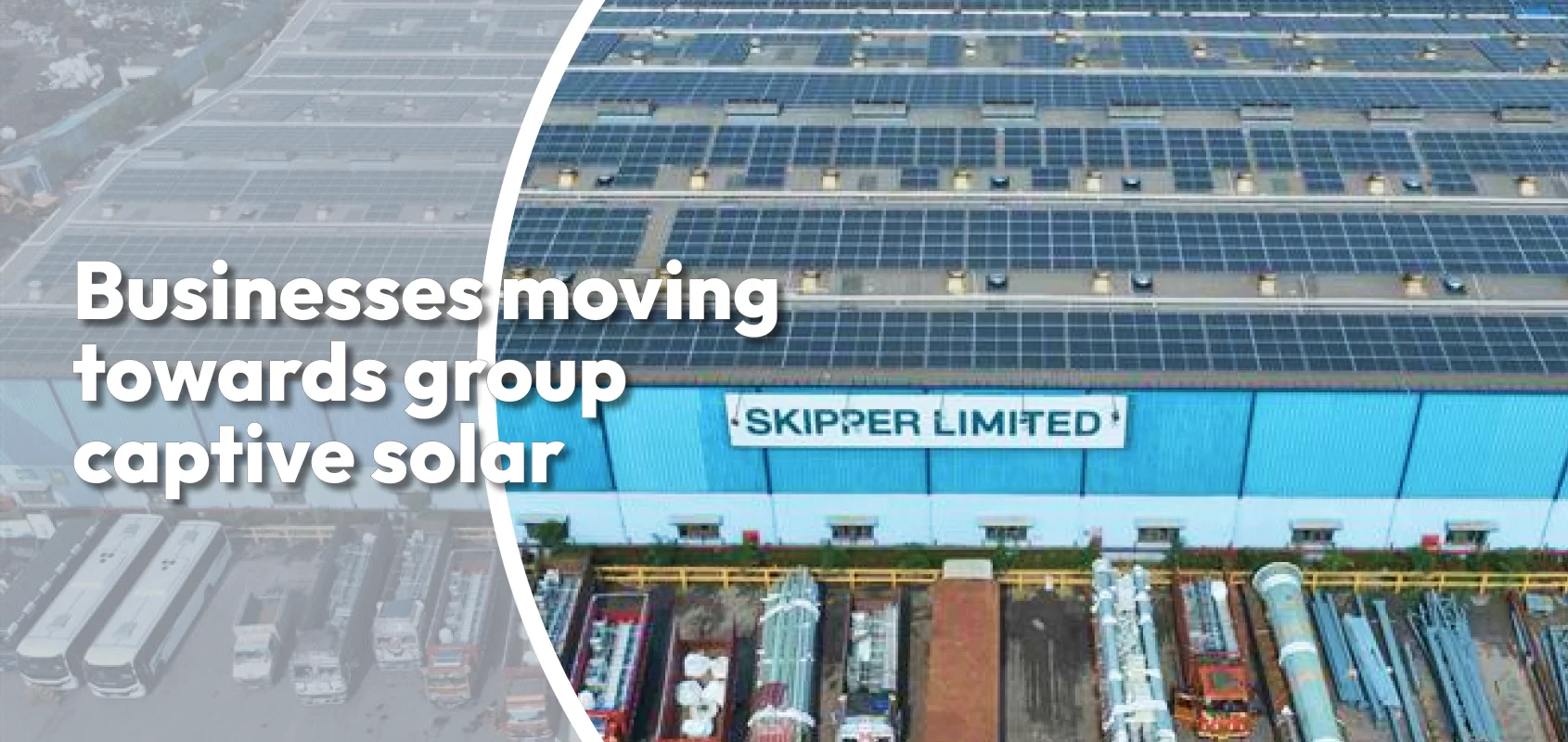
On-site solar as a service: Solar plants installed at factories, IT parks, or commercial buildings, with businesses paying only for the energy consumed.
Cooling or HVAC as a service: Efficient cooling solutions provided under long-term service agreements, ideal for commercial spaces and data centers.
Lighting as a service: LED retrofits and smart lighting systems deployed with zero upfront investment.
Battery Energy Storage Systems (BESS) as a service: Subscription-based backup power and peak-shaving solutions.
Energy analytics and monitoring as a service: Cloud-based platforms that track, analyze, and optimize energy usage.
EV charging as a service: Managed EV charging setups for campuses, fleets, and commercial real estate.
EaaS vs traditional energy models
Traditional energy models often require businesses to invest heavily in energy infrastructure, such as generators, solar panels, or HVAC systems. Companies bear the costs of installation, maintenance, and upgrades, while also managing energy consumption and efficiency internally. This approach can result in unpredictable expenses, operational inefficiencies, and slower adoption of new technologies.
In contrast, Energy as a Service (EaaS) provides a managed, subscription-based model where the provider handles all aspects of energy management. Businesses pay for outcomes such as energy efficiency, renewable generation, or storage, rather than owning the assets.
A comparison on EaaS and traditional energy models
Key aspect | Traditional energy models | EaaS (Energy as a Service) |
Ownership | Business owns and maintains energy assets | Ownership and responsibility handled by the service provider |
Costs | High upfront capital expenditure and unpredictable expenses | Converts capital expenditure into predictable operational costs |
Technology access | Limited by existing infrastructure; risk of obsolescence | Access to latest energy technologies without ownership risks |
Scalability | Fixed systems; hard to expand | Flexible and scalable to business needs |
Focus | Requires in-house energy management | Allows companies to focus on core operations while experts manage energy performance |
For Indian businesses, EaaS offers significant advantages over conventional energy systems by improving efficiency, reducing costs, and supporting sustainability, especially in a market with rising energy prices and evolving renewable energy policies.
How EaaS is shaping the future of businesses in India?
The future of Energy as a Service in India looks promising as businesses increasingly seek efficient, cost-effective, and sustainable energy solutions. Rising electricity costs, government initiatives promoting renewable energy, and growing corporate sustainability commitments are driving adoption of EaaS models across sectors.
Key trends shaping the future of EaaS in India:
- Integration of renewable energy: Companies are increasingly adopting solar, wind, and hybrid energy systems to reduce reliance on grid electricity and lower carbon footprints.
- Smart energy management: Advanced monitoring tools and analytics are helping businesses optimize energy use and improve operational efficiency.
- Battery storage solutions: Growing deployment of energy storage systems allows companies to manage peak demand, improve reliability, and enhance grid stability.
- Policy support and incentives: Government programs and renewable energy mandates are creating favorable conditions for EaaS adoption.
- Growing corporate ESG focus: Companies are leveraging EaaS to meet environmental, social, and governance goals, ensuring compliance and enhancing sustainability credentials.
With these developments, EaaS is expected to become a key enabler for Indian businesses, offering a practical approach to energy efficiency, cost savings, and sustainability.
Choosing an Energy as a Service partner in India
Choosing the right Energy as a Service provider is critical to ensure maximum efficiency, cost savings, and sustainability outcomes. Businesses should evaluate providers based on their expertise, technology offerings, financial models, and ability to deliver measurable energy results.
Key factors to consider when choosing an EaaS provider:
- Proven expertise: Experience in energy management, renewable energy, and efficiency solutions.
- Comprehensive services: Consultation, design, installation, operation, and ongoing monitoring.
- Performance-based models: Subscription or pay-for-performance plans tied to measurable outcomes.
- Technology access: Deployment of smart energy management systems and renewable energy solutions.
- Local presence: Knowledge of regional regulations, policies, and business practices in India.
When it comes to selecting a trusted EaaS provider in India, Tata Power stands out for its proven track record and comprehensive offerings tailored to businesses of all sizes.
Energy as a Service by Tata Power:
Tata Power offers end-to-end EaaS solutions designed for Indian businesses:
- Installation and operation of renewable energy systems, including solar panels and energy storage.
- Implementation of energy efficiency upgrades, such as smart HVAC and LED lighting systems.
- Real-time energy monitoring and management using advanced software tools.
- Predictable energy costs with subscription or outcome-based models.
- Support for sustainability and regulatory compliance aligned with India’s energy goals.
Wondering how you can make your business future-ready with Tata Power’s Energy as a Service offerings? Explore now!

Bottomline
Energy as a Service (EaaS) is changing how Indian businesses manage energy. By offering subscription-based, outcome-focused solutions, EaaS helps companies reduce costs, improve efficiency, and achieve sustainability without owning or managing complex energy systems.
Partnering with a trusted provider like Tata Power ensures access to advanced technologies, predictable energy costs, and expert management, allowing businesses to focus on core operations while meeting energy and sustainability goals.
Frequently asked questions
The frequently asked questions section is a reliable source for unlocking answers to some of the most crucial inquiries. Please refer to this section for any queries you may have.
- FAQ
An ESCO (Energy Service Company) is a specialized organization that provides energy-efficiency solutions and guarantees energy savings for clients. ESCOs design, implement, and manage energy-saving projects, such as lighting upgrades or HVAC optimization, and are typically paid based on the actual savings achieved.
Energy SaaS (Software as a Service) refers to cloud-based platforms that provide energy monitoring, analytics, forecasting, and optimization tools. Instead of installing software or hardware, businesses subscribe to these digital energy services to track consumption, identify wastage, and improve efficiency through real-time insights.
The ESCO model is a performance-based approach where the ESCO develops and implements energy-efficiency projects, and its payment is tied to the energy savings generated. This means the ESCO carries the performance risk like if the project doesn’t deliver the promised savings, the ESCO earns less. It helps clients improve efficiency without upfront investment.
While Energy as a Service (EaaS) offers flexibility, cost savings, and access to advanced technologies, it also comes with certain limitations that businesses should consider:
Long-term contractual commitments:
EaaS typically involves multi-year agreements to justify infrastructure investments. This can limit flexibility if a business’s energy needs change or if it wants to shift providers later.
Dependence on the service provider:
Since the provider owns, operates, and maintains the energy systems, the business becomes highly dependent on their performance, reliability, and responsiveness. A weaker provider can impact energy quality and operational uptime.
Limited customization for complex facilities:
While EaaS works well for common industrial, commercial, or retail setups, highly specialized or energy-intensive operations may require custom solutions that some providers may not offer.
Data privacy and cybersecurity concerns:
EaaS solutions rely heavily on digital monitoring, IoT devices, and real-time data analytics. Sharing operational data with an external partner can raise security or compliance concerns for certain businesses, especially in sectors like BFSI or data centers.
Possible cost escalation clauses:
Depending on the contract structure, some EaaS models may include periodic price revisions due to inflation, technology upgrades, or regulatory changes, which businesses need to factor in.
Limited control over infrastructure:
Since the assets are not owned by the customer, businesses may have less control over technology choices, upgrade timelines, or system settings compared to owning their own infrastructure.
Sources
Schneider Electric – Energy as a Service
BE-CIS – EaaS Importance
Redaptive – Energy as a Service
GridX – Energy as a Service
Soleos Energy – 10 Reasons EaaS is Transforming Energy
Deloitte – Energy as a Service
Enfra Solutions – Energy as a Service
Hitachi Social Innovation – Energy as a Service
IRENA – Energy as a Service 2020 Report
tBlocks Guide – Energy as a Service
Insider Market Research – EaaS

Keep reading...
View all