



 Contact us
World elephant day is a reminder to protect elephants and their habitats


Sections
- Introduction
- What is World Elephant Day?
- Why is World Elephant Day important?
- All you need to know about World environment day 2025
- Host spotlight: Elephants DC
- The World Elephant Day impact
- Why are elephants important for ecosystems?
- Different ways to celebrate World Elephant Day
- Restoring ecosystems with Tata Power
- Bottomline
- FAQs
Introduction
On 12 August each year, the world pauses for World Elephant Day, a day that reminds us to preserve biodiversity. What began in 2012 as a plea to stop poaching has grown into a full-scale movement linking scientists, rangers, and ordinary citizens with one goal: to keep elephants alive in their own habitats.
World Elephant Day 2025 turns the spotlight on Matriarchs & Memories, urging us to guard both the wise female leaders guiding every herd and the stories etched in their minds. If you have ever asked when is world elephant day or wondered why this date matters, this guide unpacks the history, the numbers, and a trunkful of ideas you can take right now to keep tusks raised in the wild tomorrow.
What is World Elephant Day?
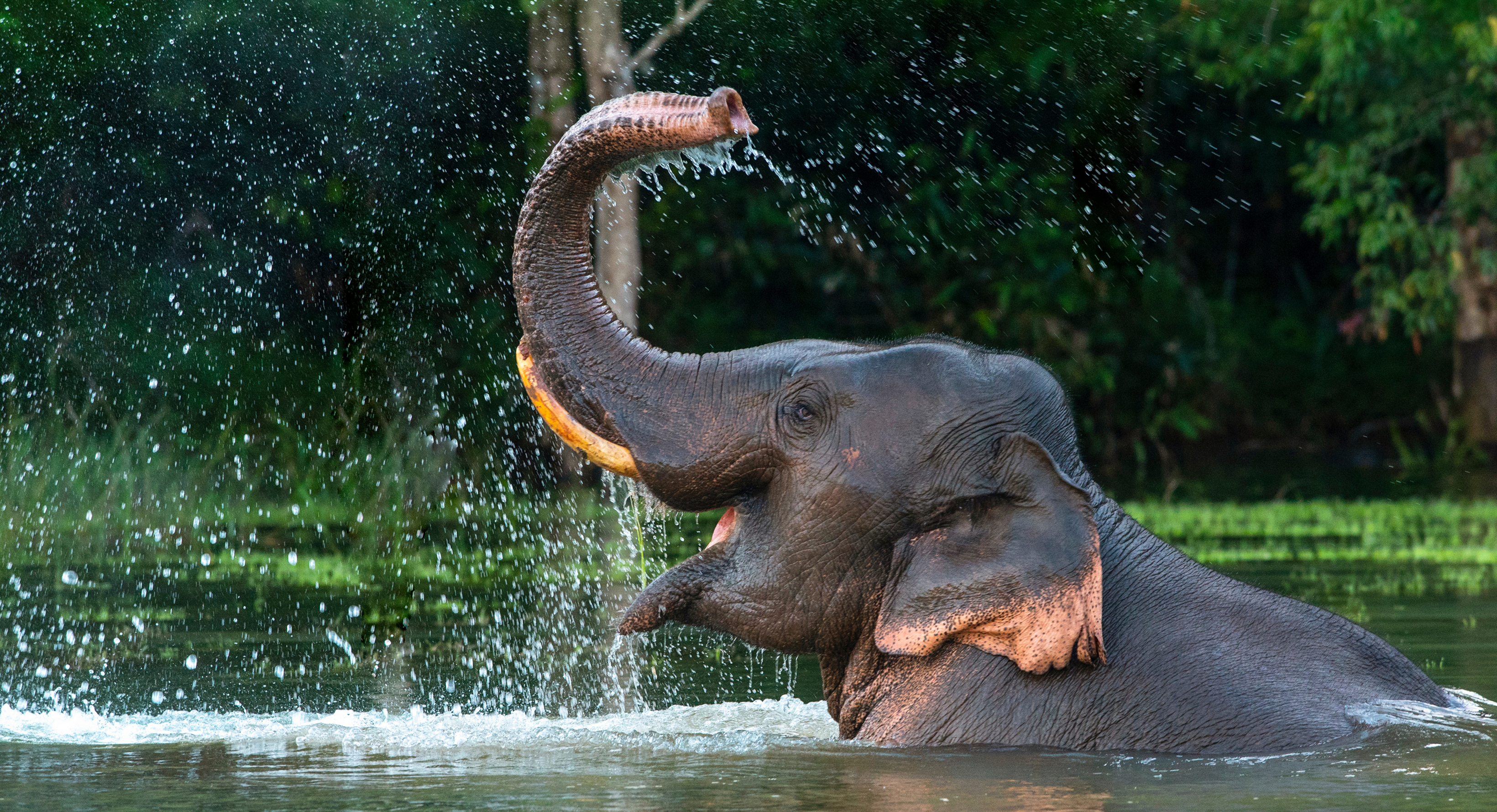
World Elephant Day is an international awareness event dedicated to the preservation and protection of the world’s elephants. It is observed annually on August 12 in countries across the globe. The inaugural World Elephant Day was launched on August 12, 2012 - a day that marked the beginning of a worldwide movement for elephants. This initiative was co-founded by Canadian filmmaker Patricia Sims and Thailand’s Elephant Reintroduction Foundation, under the patronage of Her Majesty Queen Sirikit.
Why is World Elephant Day important?
In fact, a special documentary film “Return to the Forest” (narrated by actor William Shatner) was released on the first World Elephant Day to highlight the plight of captive Asian elephants being reintroduced to the wild. From day one, the goal was clear: shine a spotlight on the urgent threats facing Asian and African elephants, understand why elephants need protection, and rally support for solutions.
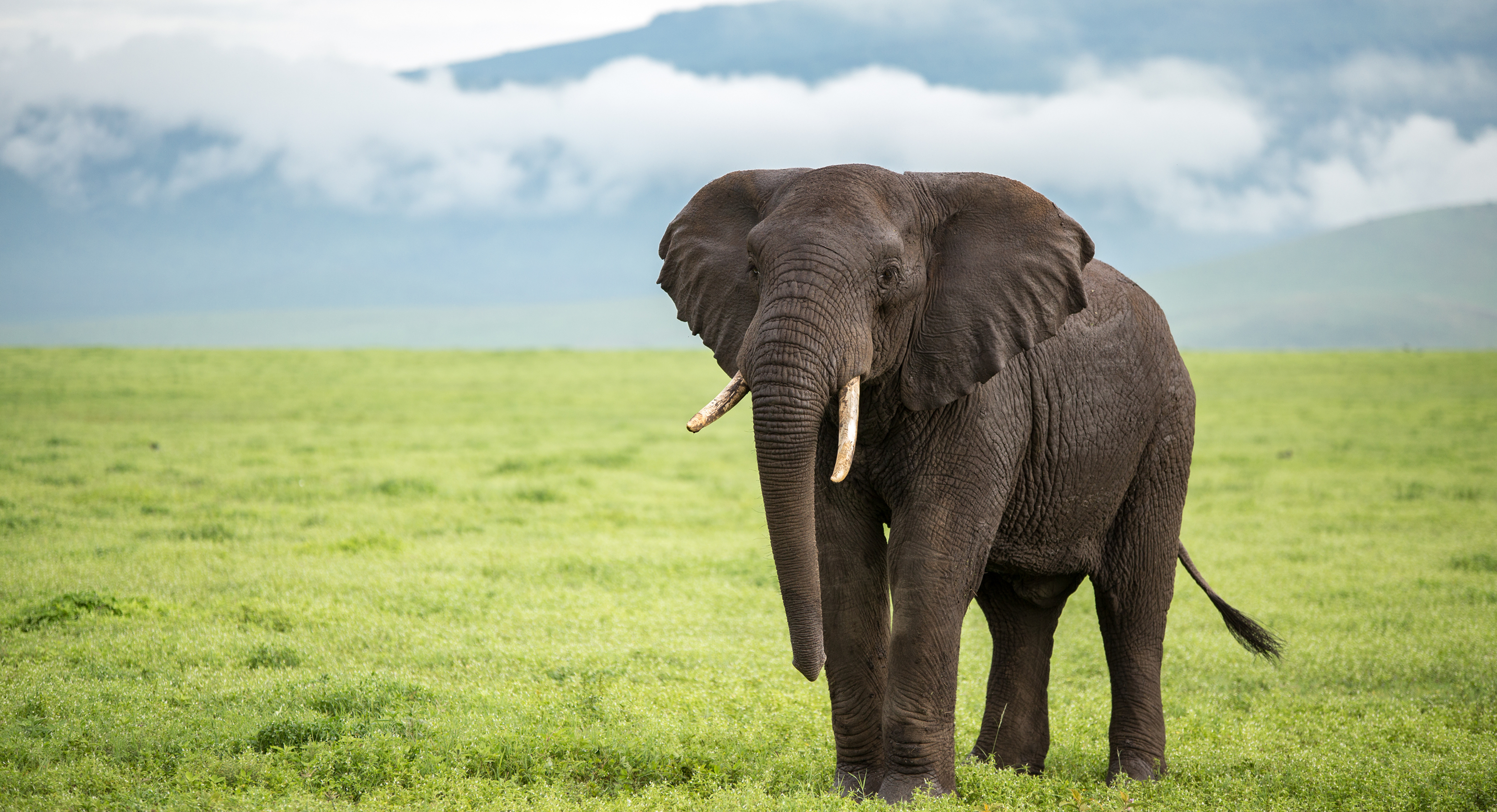
At its core, the importance of World Elephant Day is to raise awareness of the urgent issues elephants face and to promote positive solutions for their welfare. Those issues are stark: poaching for ivory, habitat loss, human-elephant conflicts, and mistreatment in captivity are among the biggest threats to both African and Asian elephants.
World Elephant Day encourages actions to stop the illegal ivory trade, protect wild elephant habitats, improve the treatment of captive elephants, and (when possible) reintroduce captive elephants into safe sanctuaries. In the words of co-founder Patricia Sims, “World Elephant Day is a rallying call for people to support organizations working to stop poaching and ivory trade, protect habitat, and provide sanctuaries for elephants”.
In short, World Elephant Day is about awareness, education, and action - uniting everyone who loves elephants to help make the world a safer place for these magnificent creatures.
All you need to know about World Elephant Day 2025
World Elephant Day 2025 takes place on August 12, inviting people across the globe to honor these gentle giants. The World Elephant Day 2025 theme, “Matriarchs & Memories,” celebrates the female leaders of elephant herds and the deep memories they cherish.
Under the theme -
1. Many elephant day events, and messages will highlight female elephants (who often act as the family leaders) and stories showing elephants’ intelligence and empathy.
2. Elephants are known for their strong family bonds and lasting recollections guiding them in life. By focusing on matriarchs, the theme reminds us of the wisdom shared from one generation to the next and how collective memory helps herds cope with challenges in the wild.
Honoring matriarchs: Elephants and their human guardians
But the 2025 theme doesn’t stop there. It also honors the human “matriarchs” in conservation – the women on the frontlines protecting elephants. As the World Elephant Day organization noted, this year’s campaign celebrates “the matriarchs - both elephant leaders and the women protecting them.” Across Africa and Asia, many dedicated women rangers, researchers, and community leaders work tirelessly to defend elephants. World Elephant Day 2025 pays homage to their efforts as well, highlighting how female leadership whether elephant or human is key to elephants’ future.
Voices of the herd
The official campaign video for 2025 brings this theme to life in an inspiring way. It is narrated by actress and environmental activist Daryl Hannah, who lends her voice to support the cause, and it features music by rock legend Peter Gabriel. This short film beautifully showcases the importance of elephant matriarchs and the deep memory and emotional capacity of elephants. By focusing on matriarchs, the World Elephant Day organizers hope to remind the world that when we protect elephant families and their habitat, we are safeguarding generations of wisdom and social connections among these animals.
Host spotlight: Elephants DC
One exciting aspect of World Elephant Day is how different groups and communities host events to celebrate and advocate for elephants. Elephants DC, a U.S.-based organization that has been a passionate host and advocate during past World Elephant Days. Elephants DC is an all-volunteer nonprofit based in Washington, D.C., dedicated to advancing elephant well-being and abolishing the ivory trade once and for all. Their motto, “Ivory is not art,” encapsulates their stance that ivory belongs on elephants, not on store shelves.
The group is famous for pushing the first U.S. state ivory ban and co-hosting New Jersey’s public Ivory Crush, a powerful sign that markets close when citizens demand change. They also stage the International March for Elephants every 12 August, guiding crowds from the Lincoln Memorial to the White House. For 2025, they will stream the “Matriarchs & Memories” video on Capitol Hill and urge supporters to email lawmakers, donate, and march, keeping their long-running motto alive: make ivory history.
The World Elephant Day impact: Key numbers and insights everyone should know
Over the years, World Elephant Day has moved from awareness to action. The facts and figures below show how World Elephant Day helps elephants by rallying global attention to conservation support, policy focus, and on-ground protection.
Dwindling elephant populations
A century ago, millions of elephants wandered freely across Africa and Asia. Today, only about 400,000 African elephants remain in the wild, down from an estimated 12 million in the early 1900s. Asian elephants are even fewer, roughly 40,000, and are now classified as an Endangered species. These losses stem from poaching for ivory, habitat loss, and conflicts with humans. At their height, poachers killed nearly 20,000 African elephants a year. If these trends do not change, conservationists warn that both species could vanish from the wild within a few decades.
Poaching crisis
Poachers kill roughly 100 African elephants each day for ivory, meat, and body parts. This loss of over 35,000 elephants a year outpaces natural birth rates and shrinks herds. By the early 2010s, elephant numbers had fallen by more than sixty percent in just ten years. Dedicated anti-poaching teams stepped up patrols, yet the ivory trade still endangers these giants. Campaigns like World Elephant Day remain essential for uniting people to halt this crisis and protect Africa’s elephant populations.
Ivory trade crackdown
Recent years have brought conservation wins alongside growing awareness. In 2016, the United States put in place a near-total ban on commercial ivory trade, closing markets. In late 2017, China closed its domestic ivory market, a major change since it had been the world’s largest ivory consumer. The bans drove raw ivory prices down by half, from about $1,300 per kilo in 2015 to around $660 per kilo in 2017. The drop shows that the ivory black market can shrink under strong pressure.
Global support and reach
World Elephant Day is about more than problems; it celebrates solutions and success stories. In Kenya, focused protection and community engagement have driven a fifty-two percent rise in the elephant population over recent decades. Once in steep decline from poaching, Kenya’s elephants have recovered over the past thirty years. In Amboseli National Park, numbers climbed from a few hundred in the 1970s to over two thousand today. Nepal has marked years without poaching, and India’s expanded elephant corridors ease human conflict. These wins show that when people unite on World Elephant Day to demand change, elephant populations can thrive.
World elephant day promotes positive solutions for elephants' welfare
Why are elephants important for ecosystems?
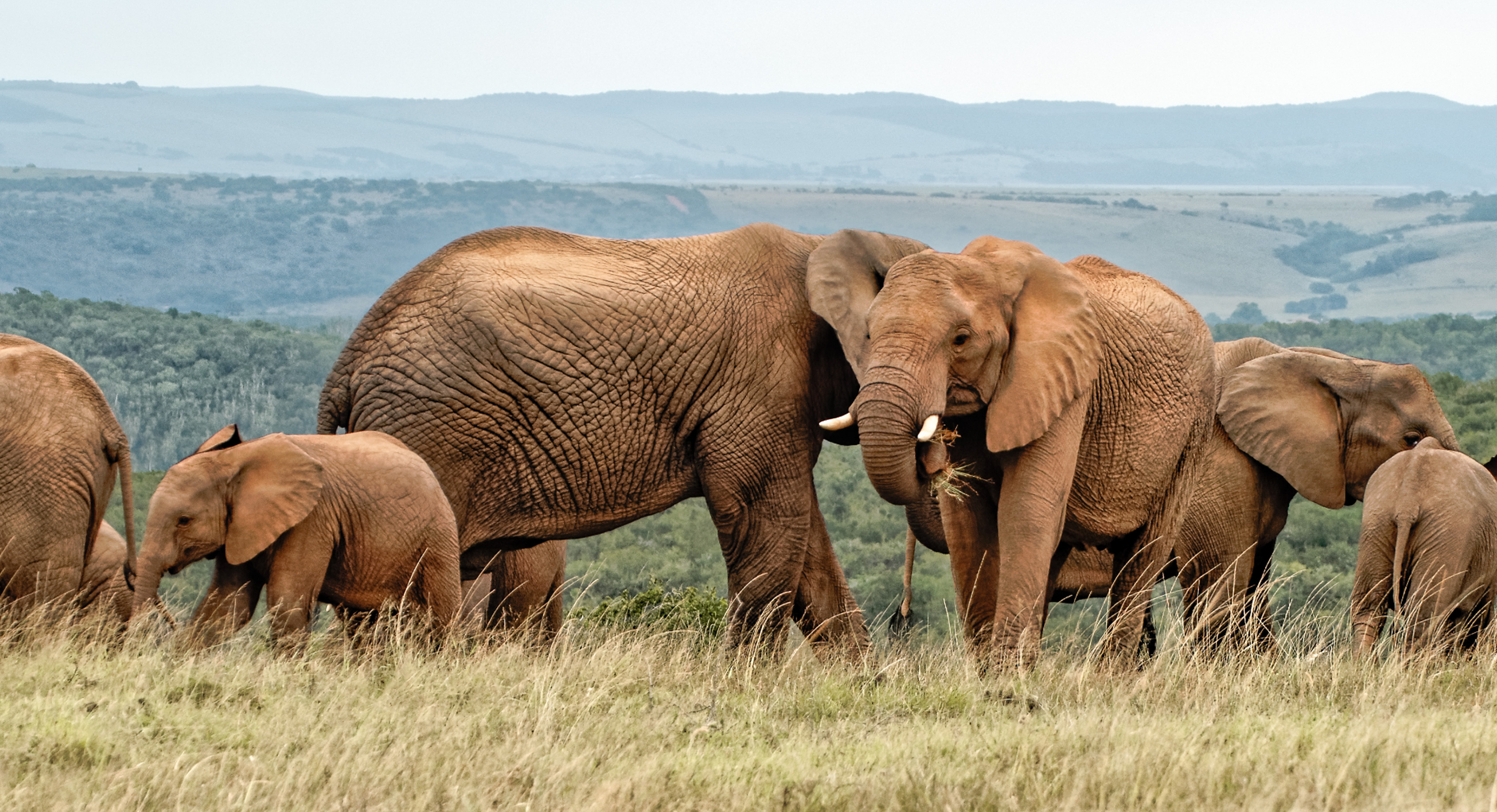
Elephants are truly ecosystem engineers and keystone species in the wild. Their daily actions shape forests, grasslands, and savannahs. As large herbivores that travel long distances, they spread seeds through their dung. This natural planting helps new trees and plants grow across a wide range of areas. Their massive frames also knock down small trees and clear paths through dense vegetation. Those openings let sunlight reach the forest floor and create space for young plants and smaller animals to thrive.
During droughts, elephants dig deep water holes that become vital watering spots for many creatures. In lush forests, their feeding habits open light gaps that give new seedlings a chance to grow. Without these openings, forests could grow too thick and become hard to navigate for other wildlife. If elephants were lost, many plants would not spread, forests could become overgrown, and countless animal species, from insects to birds, would lose a key part of their habitat. Scientists warn that removing a keystone species will lead to “major habitat chaos and a weakening of the structure and diversity of nature itself.”
This vital role of elephants in nature ties directly into global sustainability goals. In particular, it supports the United Nations’ Sustainable Development Goal 15 (Life on Land), which focuses on protecting terrestrial ecosystems, forests, and biodiversity. By working to save elephants and biodiversity, we are also advancing SDG 15 - conserving the forests and savannahs and preventing land degradation. For example, Tata Power’s elephant conservation initiative explicitly aligns with SDG 15 in its mission.
Elephants even play a role in fighting climate change. In African rainforests, they tend to eat fast-growing trees. This lets slow-growing hardwoods, which store more carbon, flourish. In this way, healthy elephant herds can boost a forest’s ability to capture and hold CO₂. Some conservationists call them gardeners against climate change.
All of these insights underscore a simple truth. When we protect elephants, we protect entire ecosystems, from tiny insects to great forests and even the climate itself. As one conservationist put it, “Protecting them is protecting the planet.” Elephants stand as a symbol of nature’s wisdom. Their well-being reflects the health of the world we all share.
Different ways you can celebrate World Elephant Day 2025
Whether you’re an avid wildlife lover or just someone who finds elephants cool, there are many fun and meaningful ways to celebrate World Elephant Day 2025 and show your support. Here are a few ideas to get you started:
Sign the World Elephant Day pledge
Take a moment to make a personal commitment by signing the World Elephant Day Pledge, a promise to support a world that protects elephants, wildlife, and their homes and communities worldwide. Once you sign up, share it on social media to encourage friends. Pledge items include never buying ivory or animal products, backing groups that treat elephants with care, and speaking up for their safety. Though it seems symbolic, pledges gain strength in numbers. When millions add their voices, they send a clear global message to governments and businesses that people care. Add your name today and stand proudly with elephants!
Spread the word on social media
An easy way to mark World Elephant Day is to share an elephant fact or a heartfelt message about this day. Use hashtags #WorldElephantDay and #MatriarchsAndMemories to join the global effort. Wishing your friends happy World Elephant Day and explaining why you care can spark interest. Every year, thousands post on Twitter, Facebook, and Instagram about elephants. You could share a video of a herd or a memory from a sanctuary visit. Each post helps spread awareness about why elephants matter.
Donate or adopt an elephant
Gifts to conservation groups can fund anti-poaching patrols, rescue teams, or local projects. Donate to the World Elephant Society or trusted charities like the Elephant Reintroduction Foundation, International Elephant Project, and Wildlife SOS. You can also adopt a calf at a sanctuary such as the David Sheldrick Wildlife Trust in Kenya. By putting your money where your heart is, you’ll be contributing to real, on-the-ground efforts to save elephants.
Participate in events or organize your own
Check for World Elephant Day events at zoos, reserves, or community centers. Join a webinar with elephant experts, take part in an Ele Fun Run, or enter an elephant art contest. If no event appears, host a movie night with a documentary like When Elephants Were Young and share what you learn. Some host elephant-themed parties in grey and donate. Some people have done things like organizing an “elephant costume day” at school or an online art challenge, drawing an elephant. Anything that gets people talking and thinking about elephants is a win.
Educate yourself and others
Use World Elephant Day to learn about these gentle giants. Read articles, watch videos, or explore books to discover fascinating world elephant day facts like how elephants mourn their dead or use more than seventy sounds to communicate. Share one new fact with friends, coworkers, or family. For kids, print elephant coloring pages or plan a craft such as origami elephants. Many free resources are available from conservation groups. The more people know, the more they will care about it.
Be an elephant-friendly consumer and traveler
Think about how your choices can help elephants. If you visit places with wild herds, avoid activities that exploit them, like rides, shows, or forced feeding. Support ethical sanctuaries or join wildlife-friendly eco tours. Never buy ivory or products made from elephant parts; even antique items fuel demand. Choose vendors who offer fair trade or wildlife-safe crafts. Use World Elephant Day to review your impact and ask friends to do the same.
Role of elephants in nature ties directly into sustainability goals
Restoring ecosystems with Tata Power’s Gaja Sanrakshana initiative
Conservation is no longer just the work of forests and NGOs; even major companies now help save elephants and their habitats.
A shining example is Gaja Sanrakshana, an elephant protection program by Tata Power, one of India’s largest energy firms. Launched with the Government of Odisha, this project focuses on a region that hosts about 2,098 wild Asian elephants, nearly five percent of the global population. In the past decade, 828 elephants in Odisha died from accidents and conflict, making urgent action essential.
The project has several smart strategies -
Making habitats safer: Teams secure and improve key elephant corridors and reserves. They insulate or reroute power lines to stop electrocutions and create safe crossings to prevent train collisions. Planting native trees expands forest cover and gives herds more room to roam.
Early warning systems: The program uses simple and high-tech tools to track herds and alert communities. Some elephants wear radio collars, and villages receive SMS alerts or hear sirens when animals approach. Early notice helps farmers protect crops safely and guides elephants away from homes.
Community education and engagement: A huge part of Gaja Sanrakshana is educating local communities about elephant behavior and how to reduce conflicts. Tata Power conducts workshops in villages on topics such as methods to keep elephants away from crops safely. These efforts build support for peaceful coexistence.
Healthcare and Anti-Poaching: Gaja Sanrakshana trains rapid response teams of vets and rangers to treat injured elephants. Local volunteers learn to act quickly if an elephant is hurt or trapped. The program also funds anti-poaching patrols and livestock vaccinations to stop disease spread.
All these efforts line up with global conservation goals. Tata Power notes that Gaja Sanrakshana supports SDG 15 on life on land, SDG 13 on climate action, and SDG 1 and 2 by easing poverty and hunger through reduced conflict. Protecting elephants also helps communities by lowering crop damage and boosting eco-tourism. As it grows, the project shows how businesses can blend conservation into their operations.
The project was officially approved by the PCCF (Wildlife) & Chief Wildlife Warden of Odisha on 16th July 2024 and has resulted in big wins in the field of elephant conservation. Some of the highlights are -
Community engagement and awareness
- 250 vulnerable villages covered in the initial phase
- 6,412 farmers surveyed and sensitised
- 3,000+ WhatsApp subscribers received over 220 awareness messages
- 942 Gaja Sathis (village volunteers) trained
- 2500+ schoolchildren participated in conservation events and Urja Melas
- 212 villages covered through street plays
- 18 wall paintings created with conservation messages
- 15 mobile app-based early warning sirens installed
- 250+ Sarpanchs and Ward members trained in conflict mitigation
- 153villages engaged through a Summer Fruiting Season Campaign
Capacity building and technical training
- 123 Rapid Response Team (RRT) members trained in elephant tracking and behaviour
- 460 joint patrolling trips carried out in threat zones
Mitigation of electrocution threats
- 52 live wire poaching sites identified and mapped
- 31 sagging power lines corrected in collaboration with TPCODL
- 196 unbarricaded transformers mapped as threat zones
- 441 solar-powered fences and 299 GI wire fences identified as potential risk points
In its work with energy and elephant protection, Tata Power sets a strong example for progress that benefits both people and nature. This corporate conservation model offers hope that development and wildlife protection can advance together.

Bottomline
Elephants have walked on this earth for millions of years, and whether we continue to share the planet with these magnificent giants depends on us. The bottom line is that elephants are running out of time and space in a human-dominated world, but through awareness and action, we can turn the tide. World Elephant Day 2025 is more than just a one-day event; it’s a reminder of what we stand to lose if we don’t step up, and a celebration of what we can achieve when we all work together. Together, we can ensure that these gentle giants continue to roam free, trumpeting into the skies for generations to come. Here’s to a world where elephants thrive, and here’s to you for being a part of this beautiful effort.
Frequently asked questions
- FAQs
We celebrate World Elephant Day to highlight elephants’ plight and unite people in their defense. Both African and Asian elephants face serious threats from ivory poaching, habitat loss, conflict with humans, and mistreatment in captivity. This day encourages everyone to learn why these gentle giants matter to our planet and to take action in support of protection efforts. Together, we can help ensure elephants thrive for generations to come.
Educators can use the official World Elephant Day 10-day countdown toolkit featuring actions like donating, pledging, and refusing ivory to frame lessons on elephant conservation and ethics. They can organize elephant-themed art contests, such as crafting lanterns or posters inspired by the theme, and screen short documentaries to spark student discussions about elephant behavior and threats. Student-led social media posts can further increase awareness among peers worldwide.
World Elephant Day channels funds and visibility to grassroots conservation initiatives worldwide, enabling habitat restoration projects and human–elephant conflict mitigation programs. The Day’s pledge invites individuals to support community-led efforts such as sustainable tourism and farmer education that empower locals to safeguard elephants and coexist peacefully.
India uses World Elephant Day to announce and reinforce elephant conservation policies. For instance, on August 12, 2021, MoEFCC released its unified protocol for all-India elephant and tiger population estimates under Project Elephant. The day also convenes the Central Project Elephant committee to update corridor conservation and human–elephant conflict mitigation guidelines. Prime Minister Modi regularly reaffirms support for habitat protection and funding during the August 12th events, galvanizing state and community action.
India-based Friends of World Elephant Day include A Rocha India (Bannerghatta outreach) and Wildlife Trust of India (community workshops). MoEFCC’s Elephant Conservation Cell and Project Elephant committee co-host government events (like mass awareness in schools) and corridor reviews every August 12th. To join, visit their websites to volunteer, donate, or apply for internships and citizen-science projects on World Elephant Day.
Sources
1. About World Elephant Day
2. Our story – World Elephant Day
3. World Elephant Day
4. Elephants DC
5. Campaign 2025 – World Elephant Day
6. Five Ways to Celebrate World Elephant Day
7. Animals vital to achieving Sustainable Development Goals
8. Elephant – Species – World wildlife
9. Threats – Elephants – World wildlife

Keep reading...
View all