


 Contact us


What is charger capacity?
Charger capacity is the maximum amount of electrical power an EV charger can deliver to an electric vehicle at any given time. It is measured in kilowatts (kW) and is one of the primary factors that determines how quickly an EV battery can be charged. Also referred to as EV charger capacity, charger power rating, or EV charger output, it represents the charger's maximum power delivery under normal operating conditions.
In simple terms, charger capacity means the maximum charging power available from the charger. A higher-capacity charger can deliver more power and generally charge an EV faster, provided the vehicle is capable of accepting that power.
Importance of charger capacity
Charger capacity directly influences charging speed, user convenience, and charging infrastructure planning. Choosing the right charger capacity ensures that vehicles charge efficiently without overspending on unnecessary hardware or exceeding available electrical capacity.
For EV owners, understanding charger capacity helps in selecting the right charger for home or workplace charging. For businesses, fleet operators, and charging point operators, it plays a key role in balancing charging performance, installation costs, energy demand, and future scalability.
Uses of charger capacity
Charger capacity is commonly used to:
- Estimate how quickly an EV can be charged.
- Compare different EV chargers based on their power output.
- Select the right charger for residential, commercial, or public charging applications.
- Design EV charging infrastructure for workplaces, fleets, and public charging networks.
- Calculate electrical load requirements for charging installations.
- Plan charging strategies based on vehicle type and battery size.
Examples of charger capacity
Some common examples of EV charger capacities include:
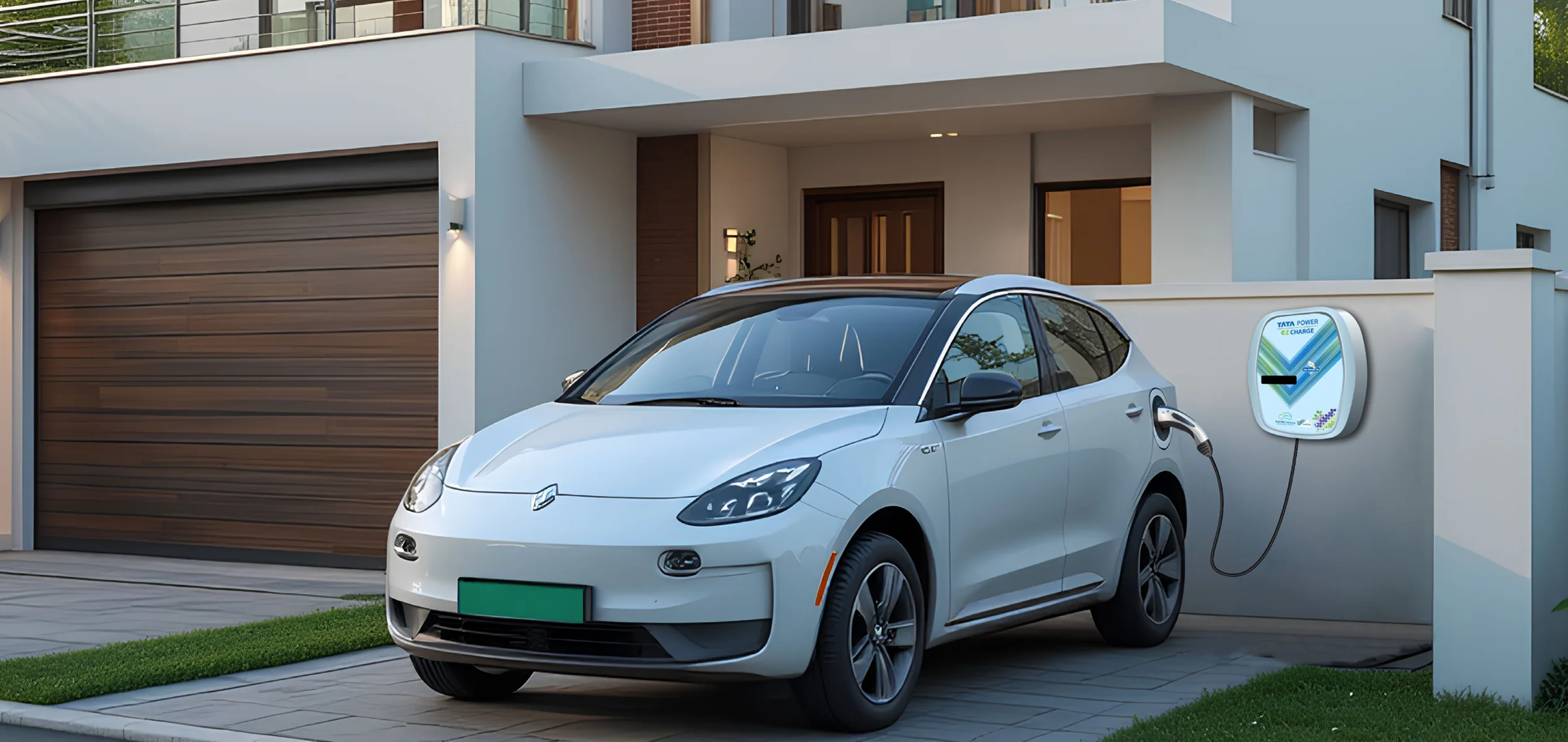
- 3.3–7.4 kW AC chargers for overnight home charging.
- 11–22 kW AC chargers at workplaces, apartment complexes, and destination charging locations.
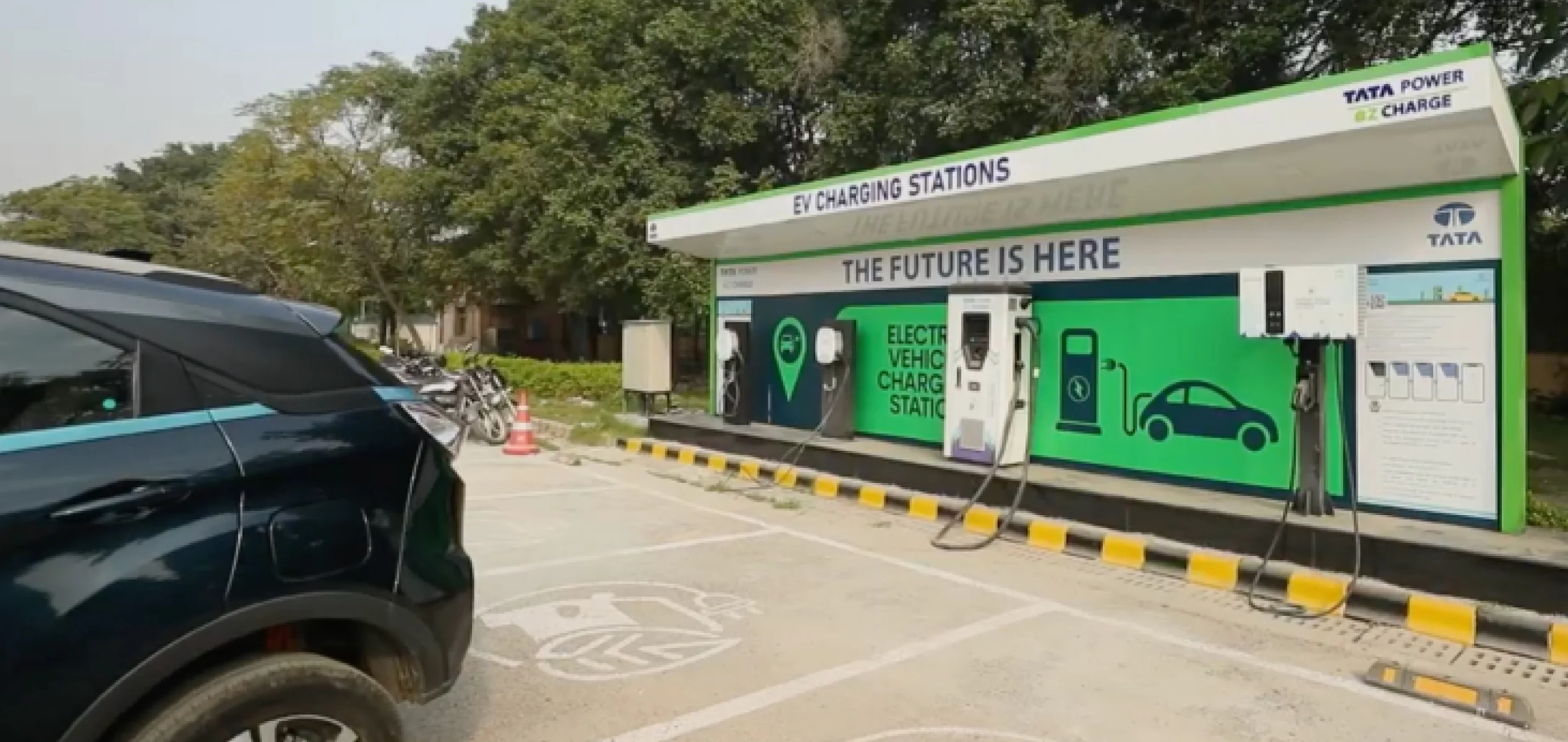
- 30–60 kW DC chargers for faster charging in urban public charging stations.
- 120 kW and higher DC fast chargers along highways and commercial charging hubs for rapid charging during long-distance travel.
Related Terms
Blogs
READ MORE