


 Contact us


What is a charging tariff?
A charging tariff is the pricing structure used to calculate the cost of charging an electric vehicle (EV). It determines how much an EV user pays based on factors such as the electricity consumed, charging speed, charging duration, location, and the pricing model adopted by the charging service provider.
In simple terms, the charging tariff meaning explains the cost of an EV charging session. In India, EV charging tariffs vary across states, charging networks, and charger types, with separate pricing often applicable for home charging and public charging stations.
Importance of charging tariff
Charging tariffs are important because they provide a transparent pricing framework for EV charging while supporting the growth of charging infrastructure. They help EV owners estimate charging costs, encourage efficient energy use through pricing models such as time-of-day tariffs, and enable charging point operators to recover operational costs. Well-designed charging tariffs also support wider EV adoption by making charging more predictable and accessible.
Uses of charging tariff
Charging tariffs are used to:
- Calculate the cost of charging electric vehicles at public charging stations
- Help EV owners estimate charging expenses and operating costs
- Support pricing models for AC, DC fast, and ultra-fast charging
- Encourage off-peak charging through time-based tariff structures
- Enable transparent billing across public charging networks
- Help charging station operators recover electricity, maintenance, and operating costs
- Support government policies that promote electric mobility
Examples of charging tariff
Some practical examples include:
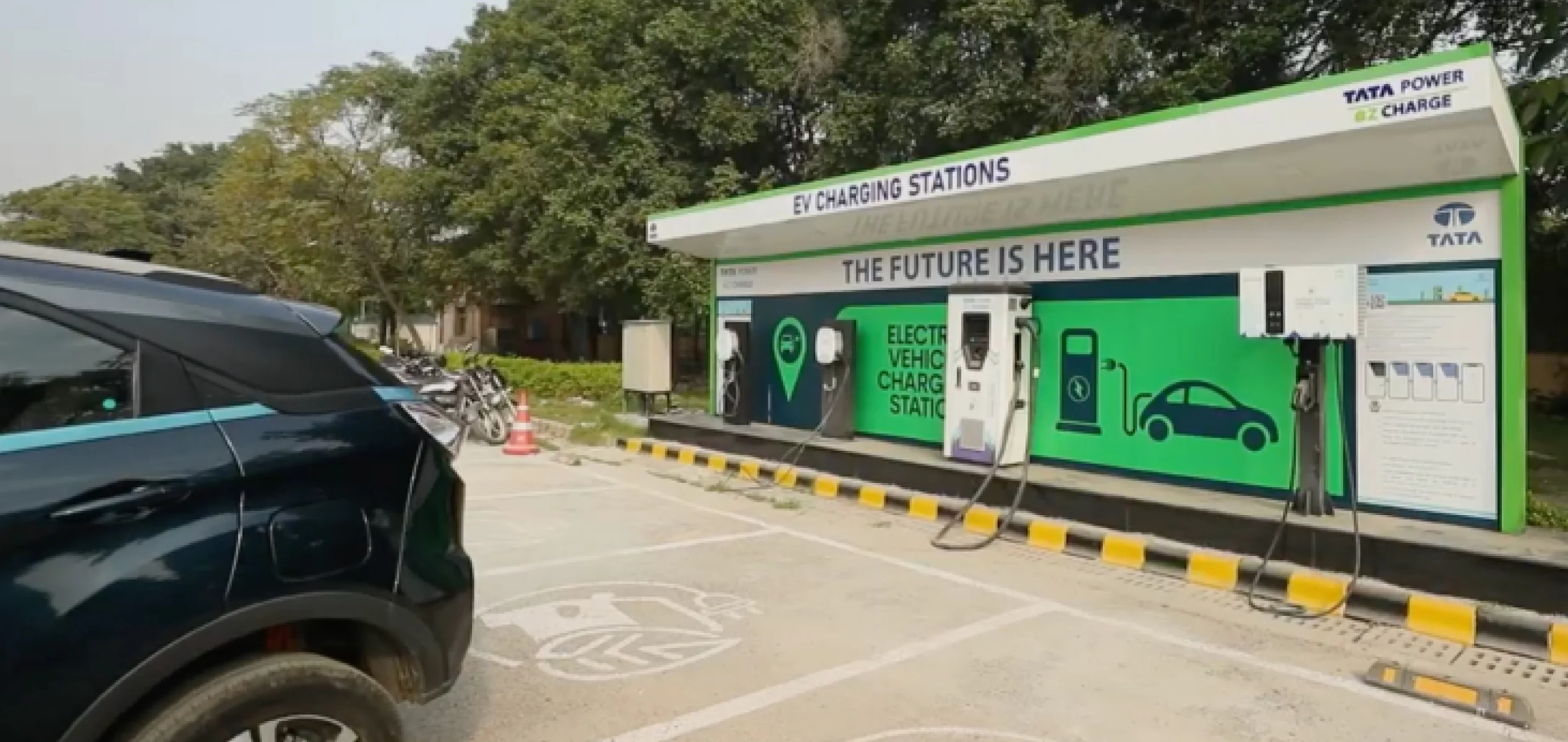
- A public EV charging station charging users on a per-kWh basis
- A DC fast charger charging a higher tariff than an AC charger
- Lower charging rates offered during off-peak hours through time-of-day pricing
- Subscription plans providing discounted charging rates for frequent users
- Fleet charging hubs using customised tariff structures based on charging requirements
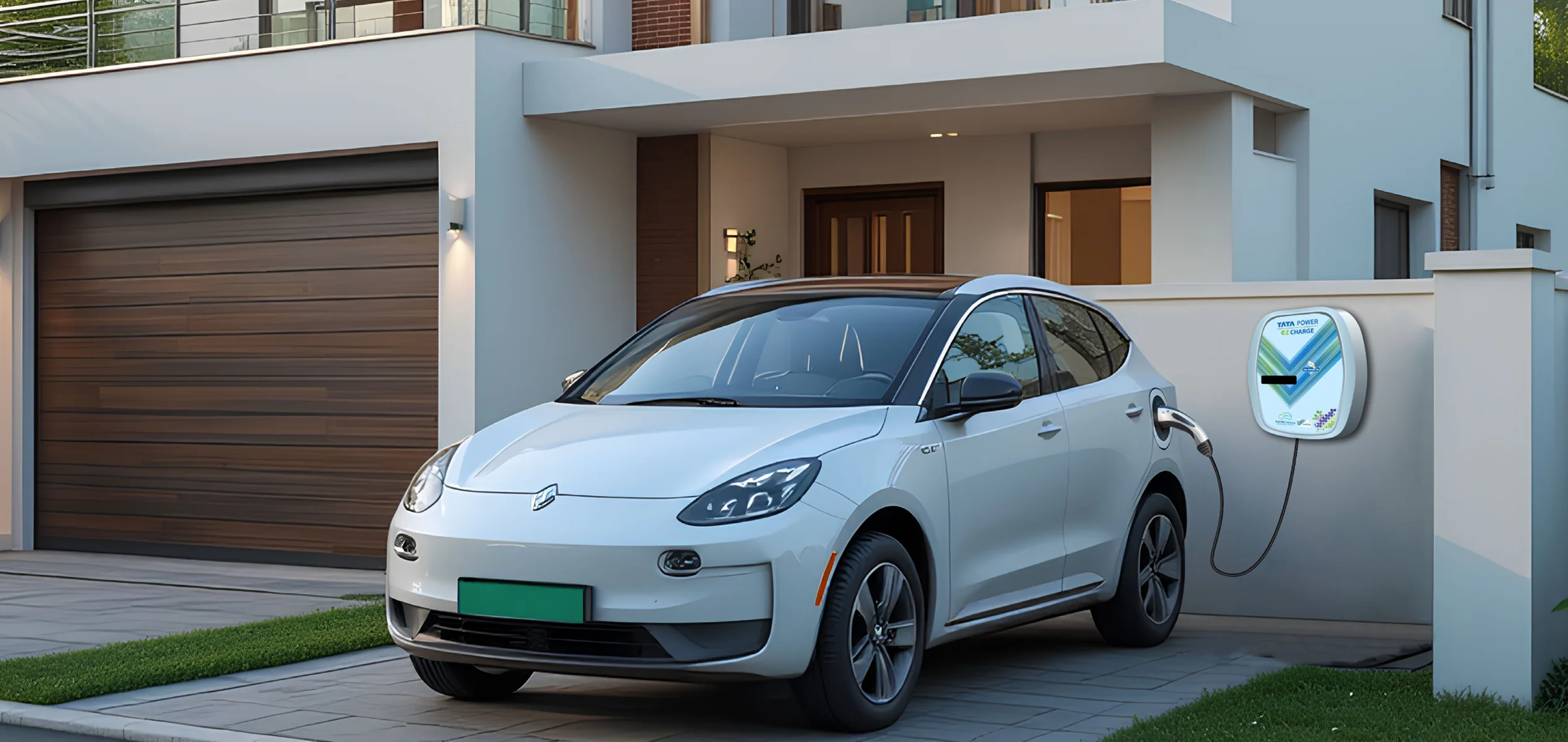
- Home EV charging billed according to the applicable residential electricity tariff
Related Terms
Blogs
READ MORE