


 Contact us


What is a megawatt (MW)?
A megawatt (MW) is a unit of power equal to one million watts or 1,000 kilowatts, used to measure the rate at which electricity is generated or consumed. It is commonly used to describe the capacity of power plants, renewable energy systems, and large-scale electricity demand.
1 megawatt is equal to how many units?
1 megawatt (MW) equals 1,000 kilowatts (kW), whereas 1 unit of electricity is equal to 1 kilowatt-hour (kWh) and denotes the amount of energy used when a 1 kilowatt appliance runs for one hour.
This means:
- 1 MW used for 1 hour = 1,000 units of electricity
- 1 MW used for 24 hours = 24,000 units
The number of units depends on how long the power is used.
Importance of megawatt
Megawatt is important because it helps measure and compare large-scale electricity generation and demand. It is a key metric used in planning power infrastructure, evaluating energy projects, and setting renewable energy targets. In the transition to clean energy, megawatts are widely used to define the capacity of solar, wind, and other power systems.
Uses of megawatt
Megawatt is used for:
- Measuring the capacity of power plants, including solar, wind, hydro, and thermal
- Defining the size of renewable energy projects (e.g., 50 MW solar plant)
- Estimating electricity demand for cities, industries, and large facilities
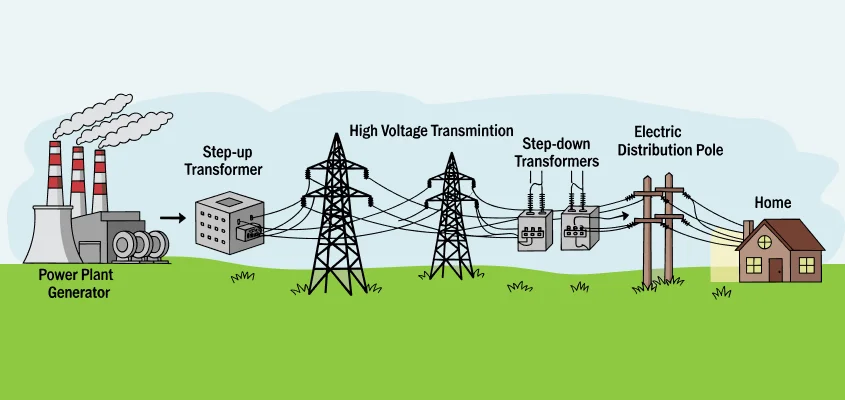
- Planning grid infrastructure and transmission systems
- Setting national and global energy targets
Examples of megawatt
Some practical examples include:
- A 1 MW solar power plant supplying electricity to a small community
- A wind turbine generating 2–5 MW of power
- An industrial facility consuming several megawatts of electricity
- A city requiring hundreds of megawatts to meet its demand
- Large solar parks operating at capacities of 100 MW or more
Related Terms
Blogs
READ MORE