


 Contact us


What is transmission loss?
Transmission loss refers to the electrical energy lost when electricity is carried from power generation stations to substations through transmission lines. In simple terms, a portion of the power generated does not reach the end user because some energy is lost along the way, mainly as heat.
The concept of transmission loss is linked to factors such as resistance in power lines, long transmission distances, and the efficiency of transmission infrastructure. While these losses are unavoidable to an extent, they can be reduced with better grid design and modern technologies.
Importance of transmission loss
Transmission loss is important because of its impact on energy efficiency and power availability. More power losses during transmission result in more electricity to consumers without the generation of new power, leading to reduction in costs and environmental impact. In giant power systems like India's, where electricity is frequently transported over long distances, the control of transmission losses has become the main factor in improving grid reliability, providing optimal conditions for the integration of renewable energy, and ensuring affordable and sustainable supply of electricity.
Uses of transmission loss analysis
Transmission loss analysis is used for multiple purposes, such as:
- Recognizing inadequacies in the transmission networks
- Conducting necessary grid enhancements and construction of high-voltage transmission systems
- Energy loss and operational cost reduction
- Increasing the dependability of power systems and the management of loads
- Supporting better integration of renewable energy sources
Impact of transmission loss
Transmission losses can have a direct economic impact, as energy lost during transmission must be compensated by generating additional power. In countries like India, where transmission infrastructure is aging, these losses can account for a significant percentage of generated electricity. Transmission losses can also lead to grid instability, especially during peak demand times, making it harder to provide consistent and reliable power to consumers.
Examples of transmission loss
Some common examples of transmission loss include:
- Electricity lost as heat when power flows through long-distance transmission lines
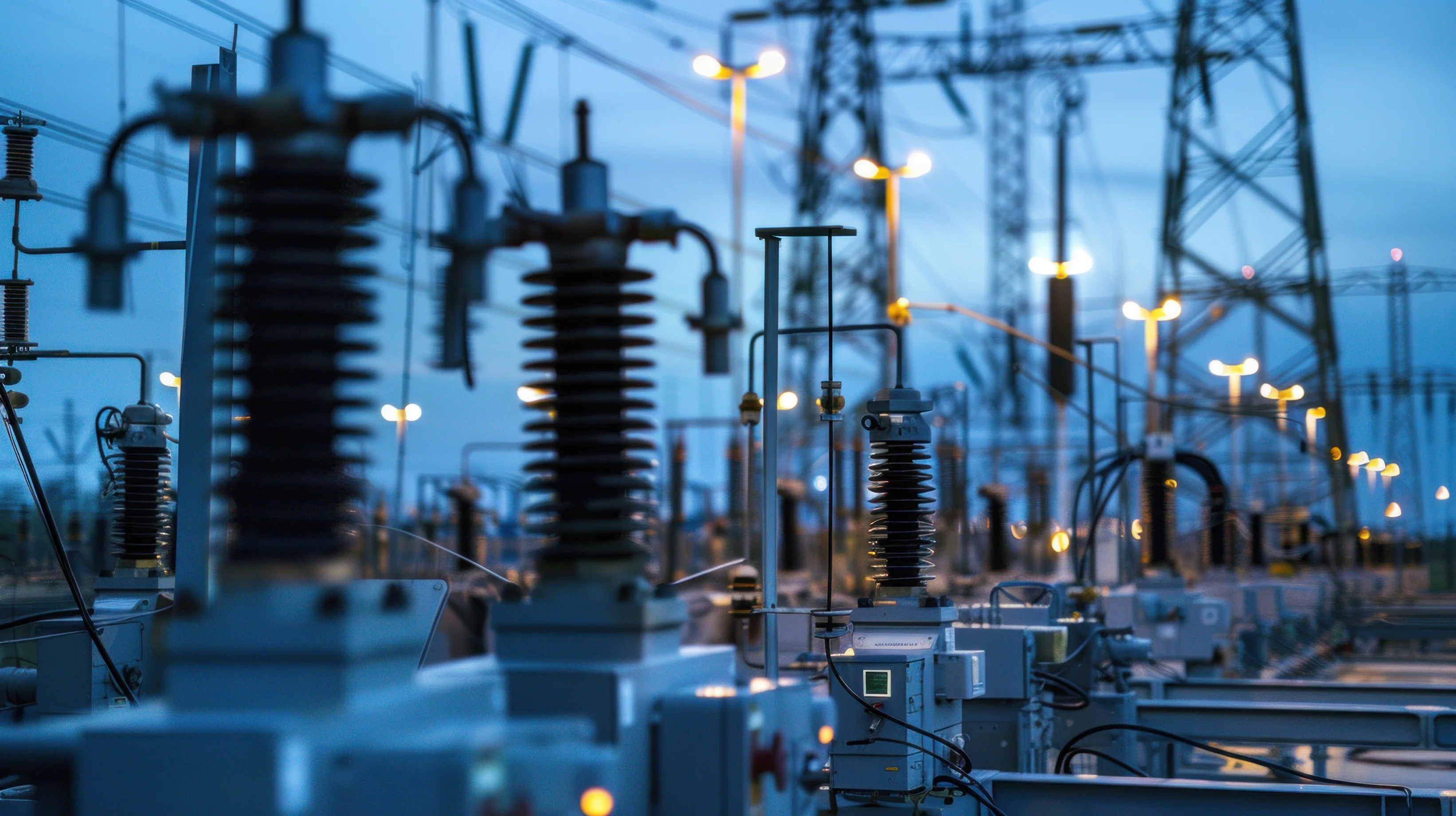
- Energy losses occurring in transformers and substations
- Increased losses at peak demand because of overloaded
- High-voltage transmission and modern conductors lead to less power loss
- When power generation is near consumption points, the loss during transmission is lower