Introduction

Electric vehicles are changing how we think about mobility, but charging efficiency and battery health remain key concerns for most owners. Simple habits such as maintaining the right charge range, avoiding extreme temperatures, and using reliable charging equipment can significantly improve performance over time. Many drivers also look for practical tips to reduce EV charging time so that charging fits smoothly into their routine without unnecessary delays.

Understanding how to reduce EV charging time is not just about speed. It is about smarter charging choices that protect your battery while improving convenience. In the following guide, we break down practical, easy-to-follow steps that can help you charge smarter and drive with greater confidence

Different ways to charge an electric vehicle the right way

Your EV battery is more than a component. It’s the core that defines performance, range, and everyday driving confidence. Here’s how the right charging approach can shape a smarter, more seamless EV ownership experience -

Your EV battery is the heart of your electric drive, and a little care goes a long way. Keep your charge between 20% and 80%, avoid frequent 100% top-ups, and never let it drain completely. Park in shaded areas to protect it from heat, and always use compatible, manufacturer-approved chargers. Smart charging habits not only protect battery health but also help reduce electric vehicle charging time. Pair that with a reliable charging partner, and every drive becomes smoother, safer, and more efficient.

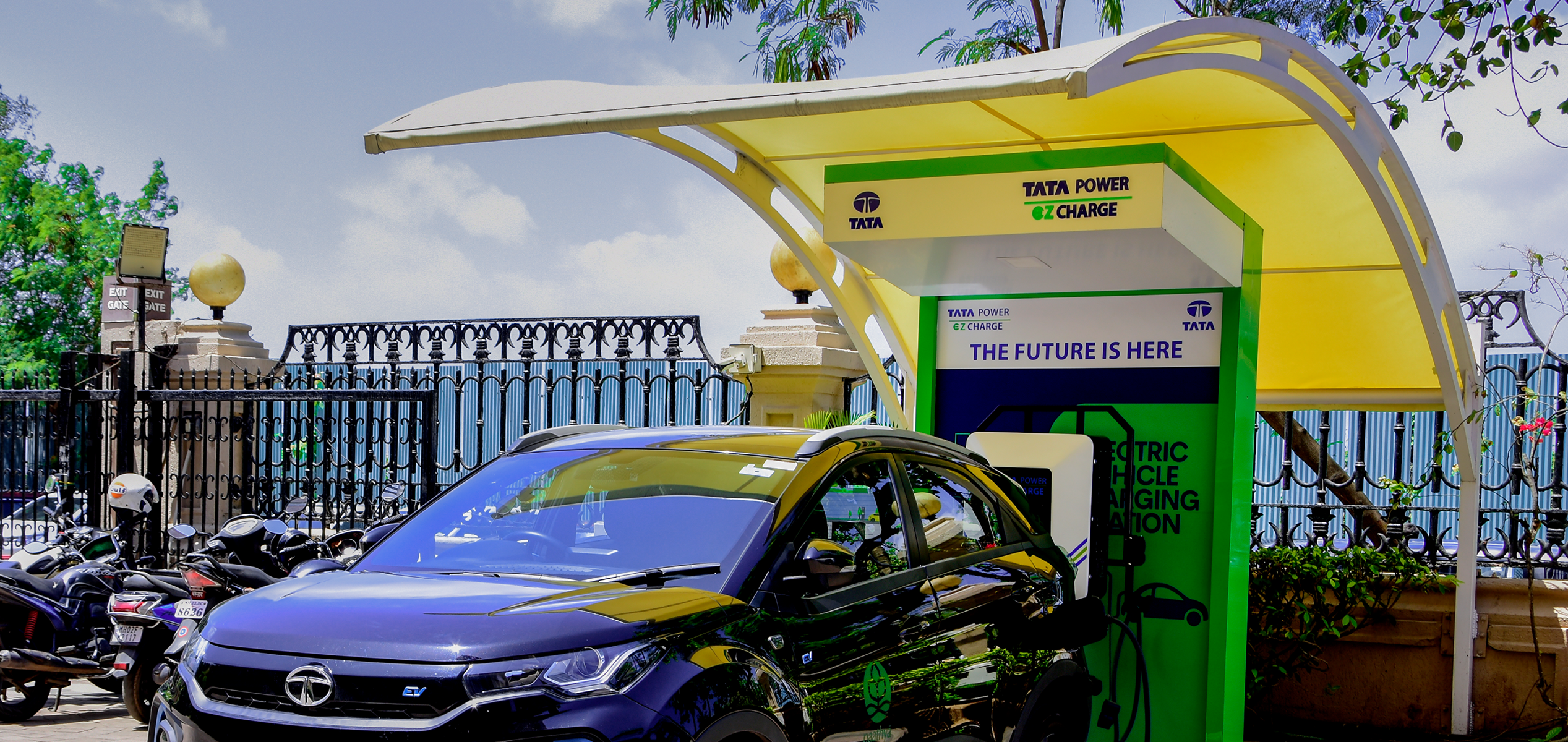
Tata Power EZ Charge EV charging station

Tips to reduce EV charging time for smoother, stress-free EV travel

How to reduce EV charging time in 9 ways

Every EV owner begins with curiosity about charging. With experience, they discover tips to reduce EV charging time, making everyday drives smoother, quicker, and far more convenient. Let’s look at how you can do it effectively -

1. Charge smart by following the optimal charge range

Keeping your battery level between about 20% and 80% for regular daily use is one of the most widely recommended practices by EV experts and manufacturers to protect battery health. Charging only up to 80% also helps reduce electric vehicle charging time because the charge speed slows near full capacity.

2. Use DC fast charging only when necessary

When your range needs are urgent, DC fast chargers can significantly speed up charging. But frequent use of fast charging can put extra stress on the battery. Limiting fast charging to when you really need it is one of the best tips to reduce EV charging time without increasing long-term wear. Ideally, use DC fast chargers during long journeys on the highway, when the range urgency is high, or when you are hard-pressed for time.

3. Precondition the battery in extreme weather

Charging in very hot or very cold conditions can slow charge rates and reduce efficiency. Many EVs let you warm or cool the battery before charging, which can help reduce EV charging time by ensuring the battery is at its ideal temperature for efficient power intake.

4. Choose a higher-power charger when appropriate

If you want to reduce electric vehicle charging time and your trip demands it, choosing a charger with higher output (like a fast DC station) can cut session length dramatically compared with slower home AC charging. Just balance this with regular battery care.

5. Avoid charging from extremely low percentages

Letting your battery fall to very low levels before charging makes charging cycles longer and harder on the battery. Starting a charge around 20% keeps charging sessions shorter and supports battery health. This is both a maintenance habit and one of the subtle ways to reduce EV charging time behaviors.

6. Park in cool, shaded areas before charging

Heat increases battery stress and slows effective charging. Parking where the battery stays cool before and during charging keeps the process efficient and supports long-term performance.

7. Use compatible and quality charging equipment

Only use chargers and cables provided by your EV manufacturer or a certified third party. Bad or incompatible hardware can cause charging to stop working or charging to take longer. So, using good-quality hardware is one tip that will help cut EV charging time.

8. Keep vehicle software and battery management updated

Your EV’s software and Battery Management System (BMS) are designed to regulate how charging is done. Updated systems can manage heat, charge rates, and cell balancing more efficiently, helping both battery longevity and the practical goal of reducing electric vehicle charging time.

9. Plan charging around your routine

Charging during times when stations are less busy or when electricity demand is lower (such as overnight) can shorten real-world waits at chargers and make each session smoother. Planning ahead is one of the practical tips to reduce EV charging time that every EV owner can use.

Crack the EV code

YOUR CLUE
LEARN MORE

Bottomline

In the end, efficient EV charging comes down to awareness and consistency. Small choices such as maintaining a healthy charge range, using the right equipment, and protecting the battery from extreme conditions can make a noticeable difference over time. These habits not only support battery longevity but also help reduce electric vehicle charging time in practical, everyday situations. As EV adoption grows, understanding how to reduce EV charging time will become an essential part of smarter driving. By applying these simple tips, you can enjoy smoother journeys, fewer charging worries, and a more reliable electric driving experience overall.

Disclaimer

The information provided in this blog has been compiled from multiple sources, including official company websites and other publicly available open-source platforms, believed to be reliable at the time of publication. However, such information may change over time, may not always reflect the most current developments, and may become outdated.

This content is intended solely for general informational purposes and should not be construed as professional, technical, financial, or legal advice. Tata Power does not guarantee the accuracy, completeness, or reliability of the information presented and shall not be held responsible for any loss or damage arising from reliance on this content.

Readers are advised to independently verify information from relevant official sources and conduct their own due diligence before making any decisions based on the content of this blog.

Frequently asked questions

The frequently asked questions section is a reliable source for unlocking answers to some of the most crucial inquiries. Please refer to this section for any queries you may have.


Yes, there are official guidelines for EV charging in India by the government of India. The Ministry of Power notified consolidated national guidelines for EV charging infrastructure in India to ensure the EV charging infrastructure across the country is safe, accessible, reliable, and affordable. These guidelines aim to fast-track EV adoption and standardize EV charging installation and operations across the country. An efficient EV charging infrastructure ecosystem would indirectly help in reducing EV charging time, as there would be better charger availability and network reliability.


Yes, electric vehicle owners can charge their EVs at home. Charging at homes or offices using the existing electric connection is not prohibited by any clause of the EV Charging infrastructure guidelines. Users can charge their vehicles anywhere they want as long as safety regulations aren't violated, with the convenience of including them in their daily schedule. Home charging is an option, and these strategies can help cut down on how long your EV needs to be charged


Yes. Charging at lower power over longer periods, such as overnight home charging, generates less heat and reduces stress on battery cells. Lower thermal stress helps preserve battery capacity over time. For most daily driving needs, slower charging offers a practical balance between convenience and long-term battery health.


Yes. Your driving habits affect the rate at which your battery discharges. Quick bursts of acceleration, high-speed driving, and hard braking all contribute to using more energy and needing to recharge. Gentle driving with ample use of regen braking results in higher efficiency and less frequent charging.


EV charging rate is typically influenced by charger output power, battery size, battery temperature, and SOC. More powerful chargers usually enable faster charging, though vehicle charging limiters also play a role. Batteries also charge more quickly when they are less full and closer to room temperature. Availability of charging infrastructure and battery degradation may also affect the performance of the ev chargers.


Yes. A larger battery size usually results in a longer charge time. Charging time refers to how long it takes to charge a battery up to a certain state of charge. So theoretically, an EV that has a higher kWh battery will take longer to charge up than a car with a smaller battery. However, charger size and vehicle limitations must also be taken into consideration.

Sources

1. EV charging best practices: How can you keep your battery healthy?

2. How Can We Reduce The Charging Time of Electric Cars?

3. How to extend your EV car battery life: 7 essential tips

4. How to keep your electric vehicle battery in good shape and charge it efficiently

5. 6 EV Battery Charging Best Practices

6. Residential EV Charging Guidebook