


 Contact us
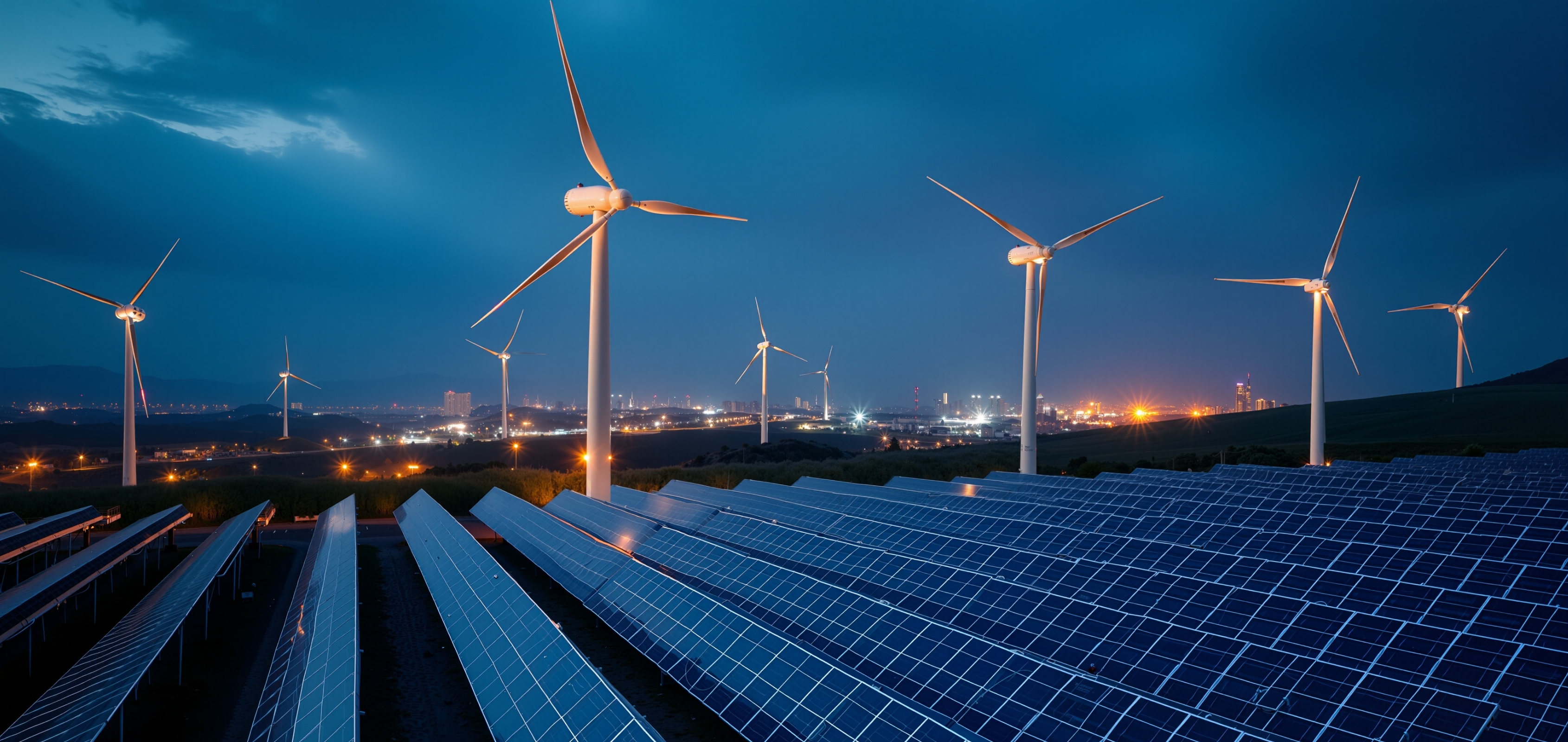
A wind and solar hybrid system in action


Introduction
Watching the sky change over the course of a single day is how we know that the future of clean energy doesn’t belong to just one technology. It will be hybrid power generation systems like those using wind and solar. With a mix of bright sun and stubborn winds, weather has a rhythm, and the next generation of clean power generation will go along with the flow.
As the name suggests, hybrid wind and solar electric system is the combination of two different abundant forces of nature. When the forces are combined, they are able to generate power that steady, reliable, and even more efficient than ever before. For a country with growing energy needs as well as diverse landscapes and climates, the blend makes all the difference. Transitioning from just one source to a hybrid model is one of the biggest shifts taking place in the world of renewable energy today.
What is a solar and wind hybrid system?
Energy as a Service, commonly known as EaaS, is a business model where companies provide end-to-end energy solutions on a subscription or pay-per-use basis. Instead of owning energy infrastructure, businesses access services such as renewable energy generation, energy efficiency upgrades, energy storage, and monitoring tools. The service provider handles all aspects of energy management, including installation, operation, and maintenance.
This model allows organizations to reduce upfront capital expenditures, lower operational risks, and benefit from the latest energy technologies without managing complex energy systems themselves. In India, where energy costs are a significant operational burden for businesses, EaaS offers a practical approach to achieving cost savings, improving efficiency, and meeting sustainability goals.
(Source: Policy/ET 2018)
In simple terms, when one slows down, the other steps up. This is why terms like hybrid solar and wind energy system, solar and wind turbine hybrid system, and even hybrid wind and solar electric systems all point to a shared idea that joint performance leads to better, smoother power.
While hybrid systems are one of the predicted trends for 2026, read more on other trends that are emerging in renewable energy.
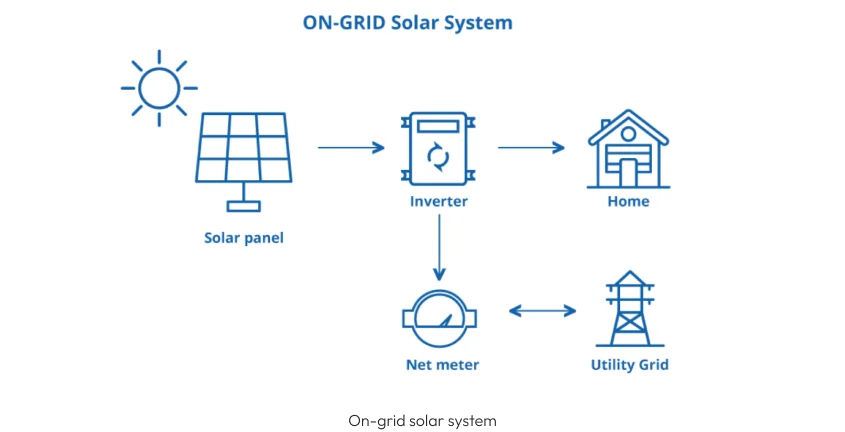
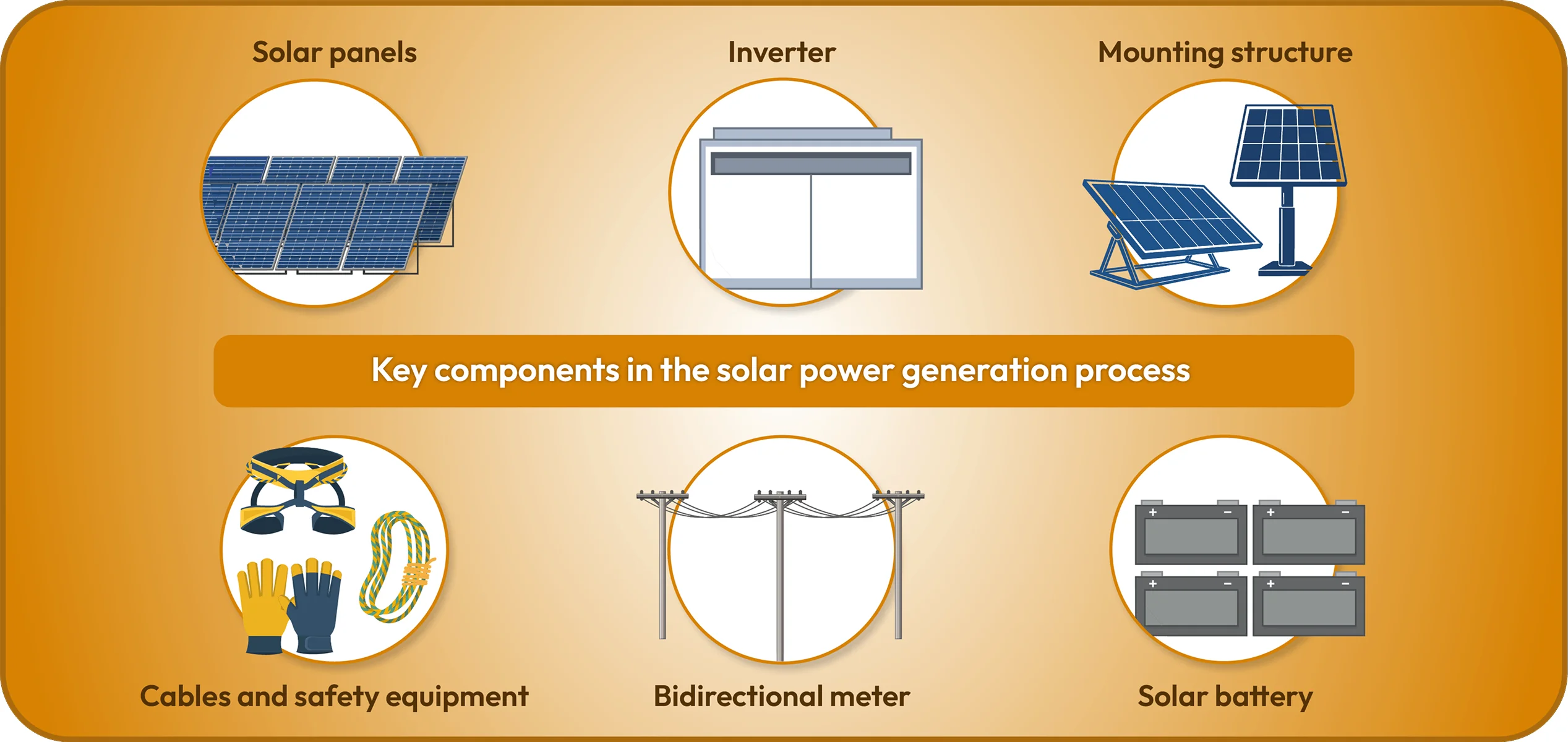
- Solar panels: capture sunlight and convert it into direct current (DC) power. An inverter then transforms the current into grid-ready alternating current (AC).
- Wind turbines: They operate simultaneously, using rotating blades to spin a generator that produces electricity whenever wind speeds are high enough.
Curious to know more about how wind turbines generate energy, here's a blog that goes deeper into this form of renewable energy.
- A hybrid controller: This device constantly monitors how much energy each source is producing. It blends the two, smooths out fluctuations, and decides the smartest path for the power to take among options like charging batteries, supplying local demand, or exporting excess to the grid.
- Smart energy-management software: This tool predicts weather patterns, anticipates when one resource may dip, and automatically shifts the load so the system never feels the lull from a cloudy day or a still moment in the wind.
- Batteries: In case they are included, they are key for energy storage, capturing surplus energy when both sun and wind are abundant. Then this energy is released when demand rises or either resource slows down.
The result of the process is a power plant that is responsive to needs and resilient to obstacles. It adjusts smoothly to the environment instead of being disrupted by it. By letting wind and solar fill in each other’s gaps, hybrid systems maintain more consistent output and deliver clean and dependable power. The hybrid system is able to provide what a single source is not able to on its own.
Benefits of a solar and wind hybrid system
If you’re thinking of renewable energy as unreliable and expensive, hybrid systems are here to debunk those myths. Solar and wind hybrid system has a range of benefits, some of which are highlighted below.
Higher output: Wind-solar hybrid electric systems generate more electricity overall by using both technologies on the same site.
More consistent power: The combination of daytime solar and winds that occur at night creates a smoother and more reliable energy supply.
Lower storage needs: The natural balance between wind and solar reduces the amount of battery storage required to stabilize the system.
Reduced project costs: Shared infrastructure and maintenance lower the total cost of building and operating hybrid projects.
Remote area access: Hybrid systems make it easier for underserved regions to receive steady, clean electricity without major grid upgrades.

The combined power of a wind and solar hybrid energy system
Wind and solar hybrid projects in India
India has embraced hybrid systems and has actually become a global example of what these systems can achieve. Tata Power Renewable Energy Ltd. (TPREL) is one of the companies shaping this progress.
| Project | State | Capacity |
|---|---|---|
| Supa | Maharashtra | 17 MW |
| Khandke | Maharashtra | 50.4 MW |
| Bramanvel | Maharashtra | 11.25 ME |
| Sadawaghapur | Maharashtra | 17.5 MW |
| Noorsar | Rajasthan | 225 MW |
One standout moment came when Tata Power commissioned its first large-scale solar-wind hybrid power plant in August 2022, it was a 225 MW solar installation at Noorsar, Rajasthan paired with 96 MW of existing wind capacity. Under a 25-year PPA, the plant will supply clean electricity to its Mumbai distribution arm, boosting non-carbon power supply significantly. (Source: Case Study PV Magazine, Tata Power Press Release)
From there, the company expanded hybrid development across states in India like Maharashtra, Gujarat and Karnataka, adding solar capacity to existing wind farms and helping industries sign long-term PPAs for more stable renewable supply. As you can see, this is a quiet energy revolution taking place across India’s landscapes.
Bottomline
Hybrid systems are actually forming the bridge to the future. By blending wind and solar, we create power ecosystems that are resilient, climate-responsive, and efficient enough to support India’s rapid growth.
India is pushing toward its renewable goals for 2030, solar and wind hybrid systems will shape how industries operate, how communities stay powered, and how we transition to sustainable living. As we reminisce to a time where clean energy had to choose wind or sun, today, it can choose both.
Frequently asked questions
The frequently asked questions section is a reliable source for unlocking answers to some of the most crucial inquiries. Please refer to this section for any queries you may have.
- FAQ
Solar and wind energy complement each other, smooth out fluctuations and provide more consistent power.
Hybrid systems are cost effective because shared infrastructure means reduced capital and operational expenses over time.
Hybrid systems don’t always need batters. Many large-scale hybrids operate without storage and feed directly into the grid.
Homes can utilize smaller hybrid kits. These kits for solar wind hybrid systems are useful for remote setups where 24/7 power is needed.
Sources
National Wind-Solar Hybrid Policy: Economic times
Tata Power Renewable Energy Hybrid Project
IEA Renewables Report.


Keep reading...
View all