


 Contact us
The time to charge different EVs isn’t the same for every vehicle


Introduction
In India’s fast-growing electric vehicle market, charging time has become just as important as price, range, or design. Many people expect all electric vehicles to charge the same way, but the reality is very different. A scooter that plugs into a home socket, a city hatchback using a public fast charger, and a delivery van charging overnight at a depot all follow completely different routines. Charging speed changes with battery size, charger type, and vehicle purpose. Understanding these differences helps buyers set the right expectations and choose an EV that truly fits their daily life. This blog looks at how charging time varies across EV categories, and what those differences mean in real life for people who own electric vehicles.
How charging time varies for EVs in India
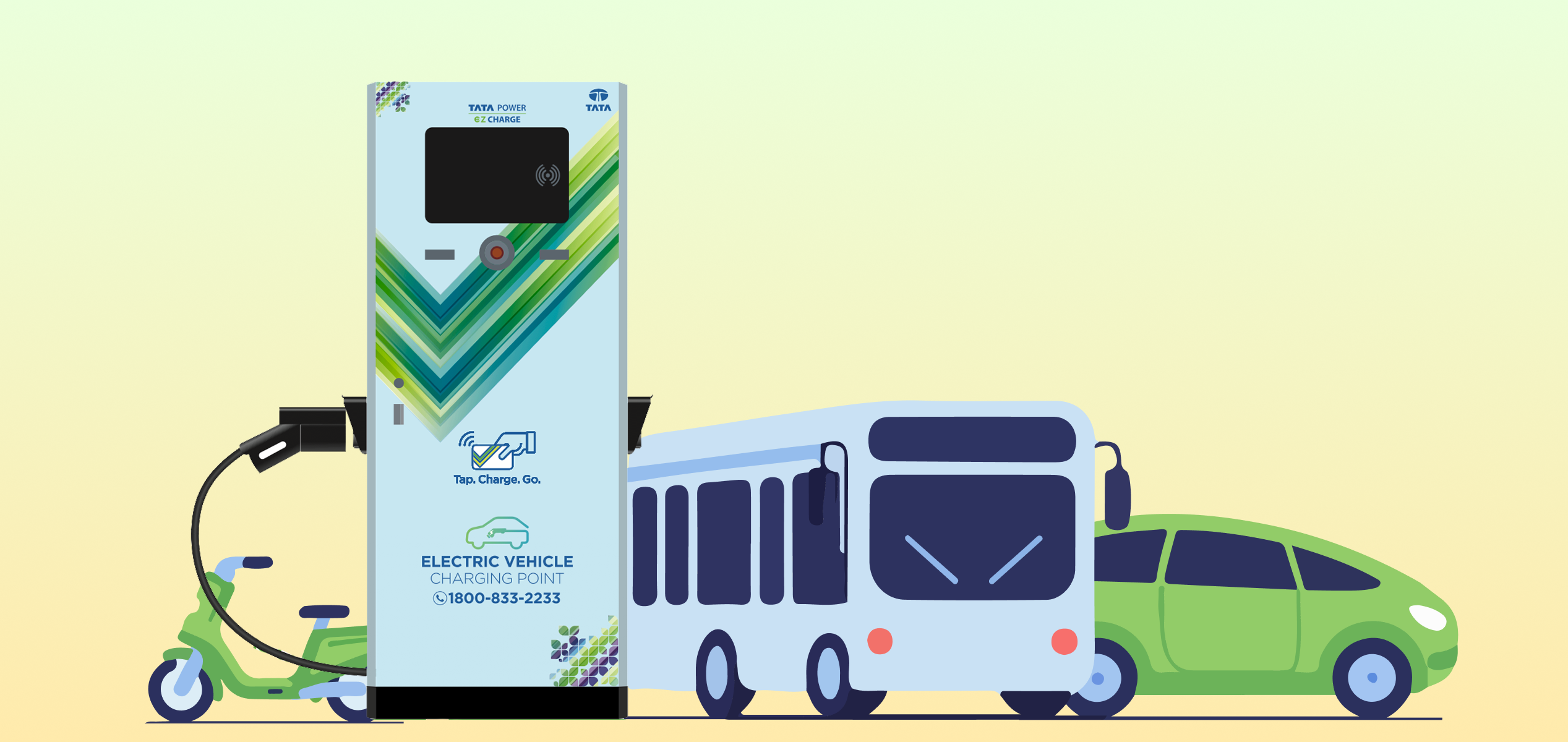
Charging time is one of the biggest questions people have before switching to an electric vehicle. In India, how fast your EV charges depend on what you drive, the size of its battery, and the kind of charger you use. This table gives you a clear, side by side view of what charging really looks like for different EVs in everyday Indian conditions.
| EV category | Approx. battery size (kWh) | Home charging time (AC, 2.3–7.2 kW) | Fast charging time (DC, 30–150+ kW) | Real-world examples |
|---|---|---|---|---|
| Two-wheelers | 2.5 – 4 | 4 – 6 hours | 60 – 75 km range added in 15 minutes (select networks) | Ola S1, Ather 450X |
| Three-wheelers | 6 – 9 | 3.5 – 5 hours | 0 – 100% in 15 – 30 minutes (rapid DC charging) | Mahindra Treo, Bajaj RE EV |
| Four-wheelers (Mid-Range) | 25 – 45 | 6 – 15 hours | 0 – 80% in 50 – 65 minutes | Tata Nexon EV, MG ZS EV |
| Four-wheelers (Premium) | 60 – 110+ | 5 – 8 hours (with 11–22 kW wall box) | 10 – 80% in 30 – 45 minutes | Jaguar I-PACE, Mercedes EQC |
| Commercial EVs / Fleets | 30 – 75+ | 6 – 12 hours | 20 – 80% in 20 – 60 minutes | Tata Ace EV, Ashok Leyland eComet |
There is no single EV charging time that fits everyone's needs. What you drive, how big its battery is, and where you plug in together decide how fast you are back on the road. Understanding how these factors come together is key to smarter EV charging.
Scratch. Reveal. Learn
Curiosity has its rewards
Bottomline
Charging time is often treated like a deal breaker, when in reality it is simply a design choice shaped by purpose. Every electric vehicle is built around a different kind of user, and its charging pattern reflects that. Some are made for slow, steady overnight charging; others are for quick top-ups between long drives or busy work shifts. The mistake is comparing them all with the same rule. What matters is how charging fits into your routine, not how it looks in a brochure. When expectations match real usage, charging feels less like waiting and more like planning wisely for the day ahead.

Frequently asked questions
The frequently asked questions section is a reliable source for unlocking answers to some of the most crucial inquiries. Please refer to this section for any queries you may have.
- FAQ
Fast or DC charging sends direct current straight into the battery and can rapidly add charge. Many EVs can reach about 80 percent of battery in roughly 20 to 60 minutes with a fast charger, making it useful for long trips or quick breaks.
Yes. Two EVs with the same battery size can still charge at different speeds because of differences in how much power the vehicle and its charging system can accept. Some EVs are engineered to support higher power charging than others.
Not all EVs can accept the highest power from fast chargers. Each vehicle has a maximum charging rate it can handle, and using a very powerful charger does not always increase speed beyond what the vehicle supports. Always check your EV’s maximum charging capacity.
Yes. Weather, especially temperature, can affect how quickly an EV charges in India because lithium-ion batteries work best within a moderate range. Very cold conditions slow the chemical reactions inside the battery, so the vehicle’s systems may limit charging power until the battery warms up, which increases charging time. Hot conditions can also trigger protective measures that reduce charging speed to avoid overheating and preserve battery health. EV battery management systems are designed to adjust charging to maintain safety and longevity in different weather conditions.
Yes. Bigger batteries store more energy and typically take longer to bring up to full charge compared with smaller ones. If you are topping up a battery part-way, the required energy and time will also differ based on how empty the battery is.
A simple practical way to estimate charging time is to divide the battery capacity in kilowatt hours by the power output of the charger in kilowatts. This gives a close approximation of how many hours a full charge might take, assuming optimal conditions and no power limitations. This basic math method helps set realistic expectations before you start charging.
Advertised peak charging rates are often measured under ideal conditions. In real use, factors like battery temperature, state of charge, and infrastructure conditions can lower actual charging speed compared with theoretical peak figures.
Time-related range anxiety is when drivers worry more about how long charging takes rather than how far they can drive. This concern can cause users to top up more often or charge to higher levels than needed, which can increase actual time spent at chargers and worsen the overall experience.
Smart charging actively manages energy delivery by communicating with grid systems and adjusting draw for efficiency. Dump charging starts immediately at full power without regard to grid demand or timing. While dump charging may seem fast initially, it lacks the long-term efficiency and grid-friendly advantages of smart systems.
Keep reading...
View all