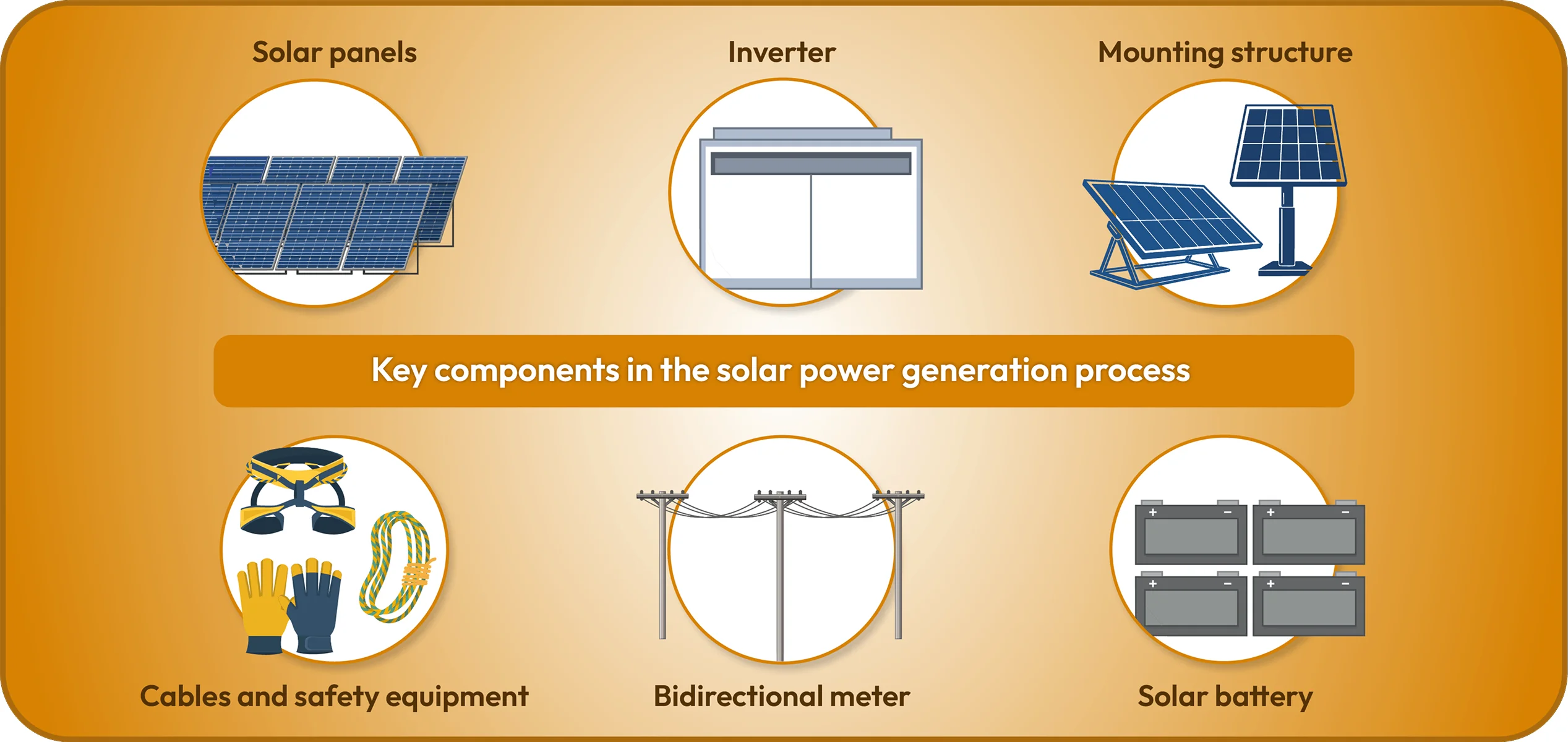
Designing a solar microgrid requires careful planning to ensure the system meets the site’s needs in the most efficient way. Here are the fundamental factors and steps that go into solar microgrid design for a given location -
Assessing power demand
1. Begin by determining the electricity needs of the community or site.
2. List homes and count appliances such as lights, fans, televisions, pumps, and other devices.
3. Include schools or clinics and note their consumption.
4. Calculate peak demand, the highest power draw at any moment, and total daily energy use in kilowatt-hours.
5. A system serving 50 homes with only lighting will be much smaller than one that also runs refrigerators and irrigation pumps.
6. Factor in future growth since households tend to add devices over time.
Solar resource and site conditions
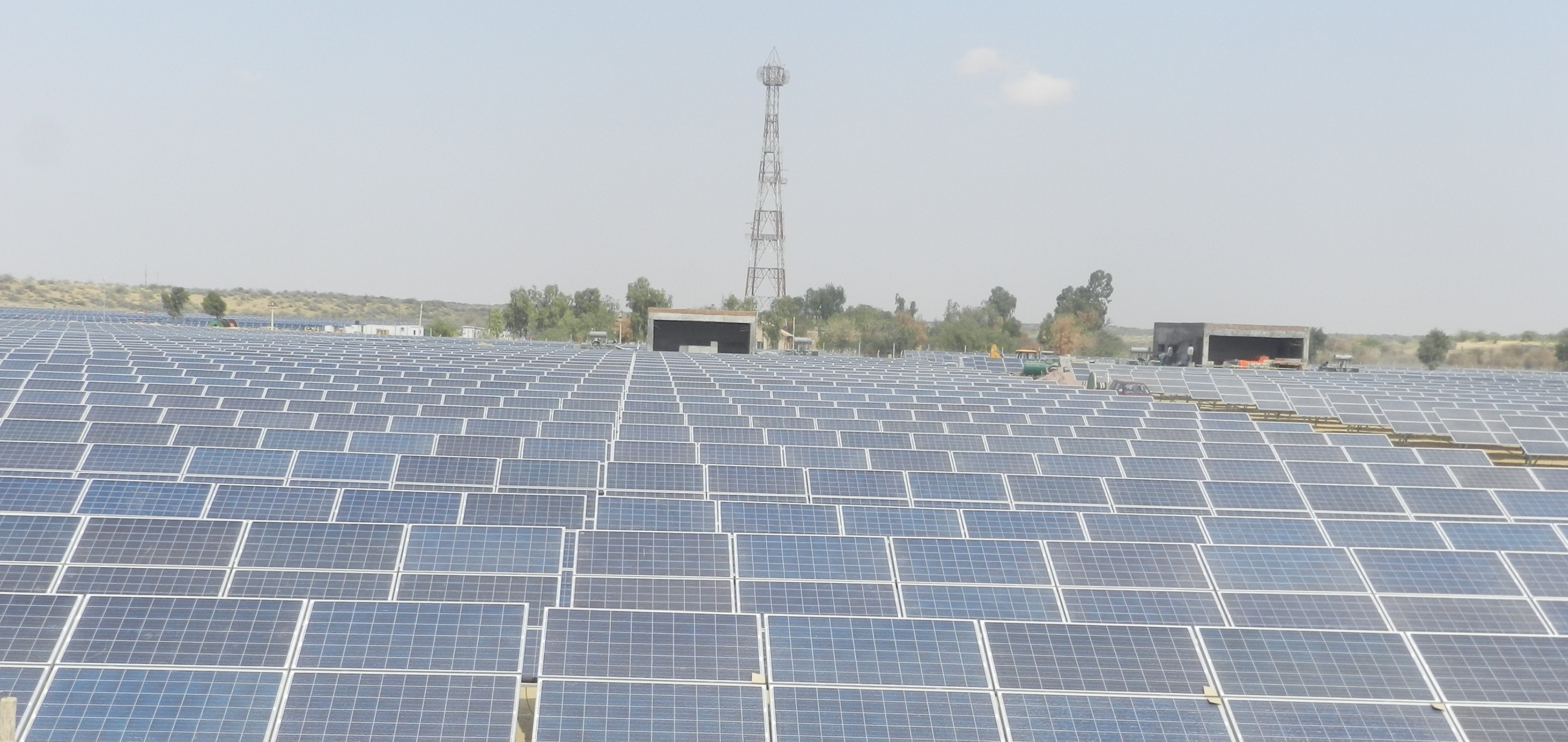
1. The design must account for the solar irradiance available at the site (essentially, how sunny the location is on average and seasonal variations).
2. Areas with abundant sunshine can generate more power per panel.
Even within India, this can vary.
1. For example, Rajasthan has higher solar potential than northeastern states with more cloud cover.
2. Additionally, site conditions like available land or roof area for panels, shading (from trees or hills), ambient temperature (which affects panel performance), and weather patterns are considered.
3. Tools or models are used to estimate expected solar energy per day round the year.
4. Engineers choose the best tilt for panels and strong mounting, so panels stay safe during rough weather (High winds or cyclones).
5. Where long monsoon weeks cut sunshine, they plan larger batteries or a secondary power source.
Grid availability and integration
1. A key design choice is whether the solar microgrid will operate completely off-grid or have a grid connection.
2. If the location is beyond the grid, the microgrid will be a standalone system.
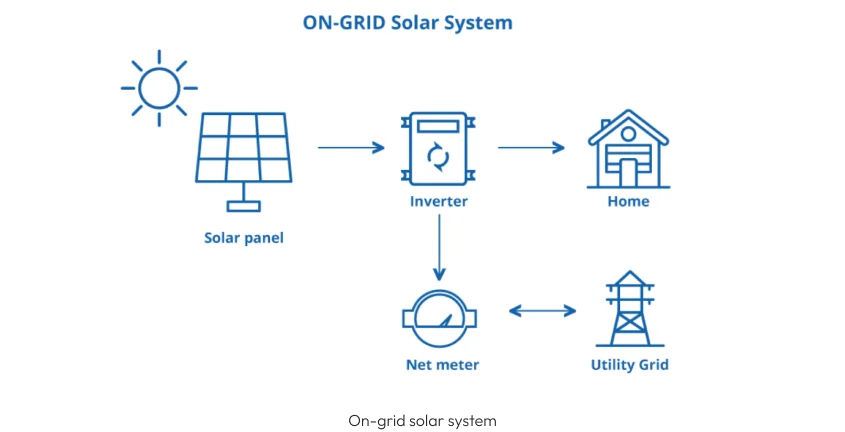
3. If the main grid is expected to reach or is present but unreliable, officials might plan a grid-interactive microgrid (hybrid setup) that can connect to or disconnect from the main grid as needed.
4. In such cases, synchronization equipment and protection systems are included.
5. The distance to the nearest grid substation can influence design decisions.
6. If it’s very far, the microgrid will be designed for full autonomy; if closer, maybe future interconnection is planned.
7. Essentially, the reach (or absence) of the central grid is a factor in microgrid planning.
Energy storage and backup needs
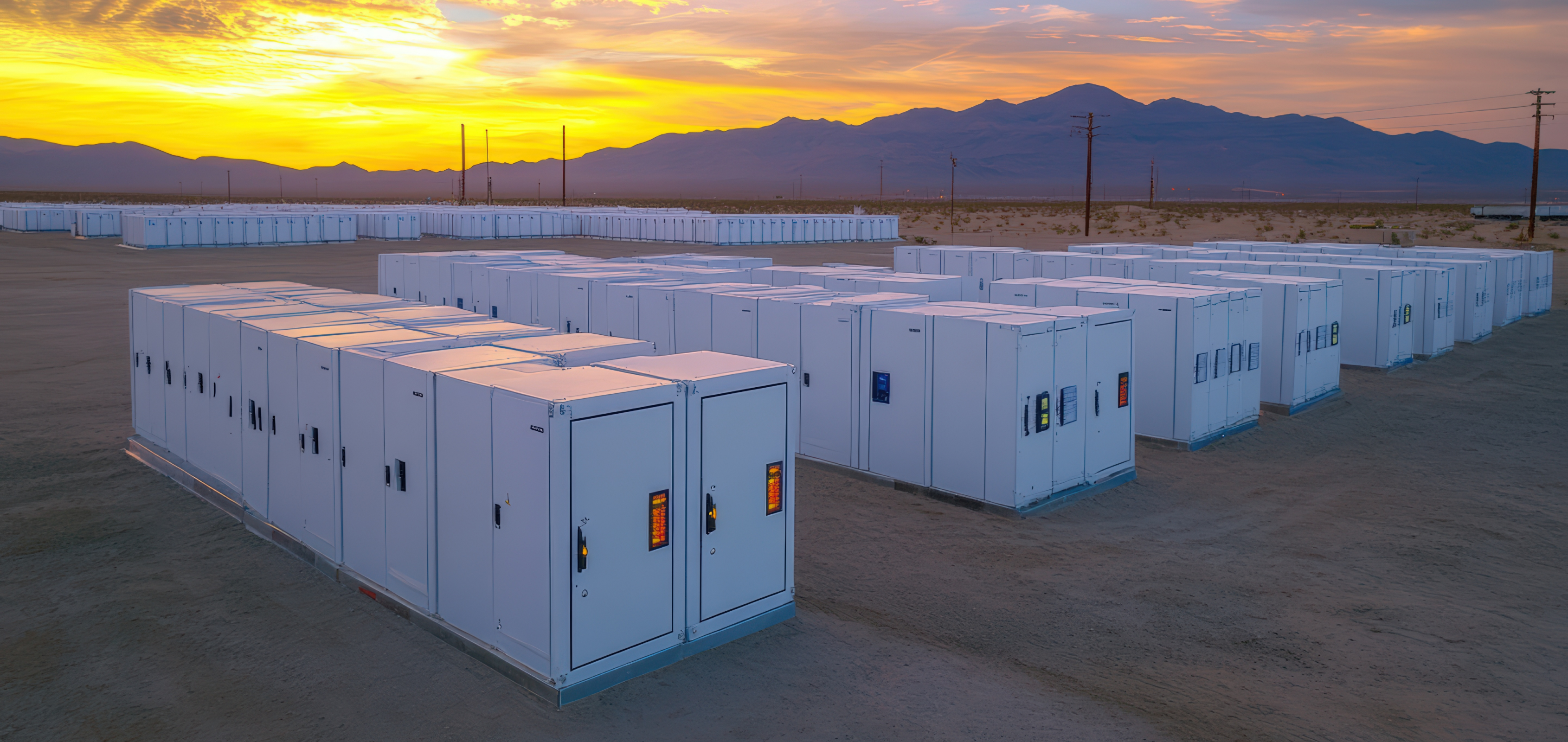
Based on the load profile and sunlight availability, the battery storage capacity is determined.
1. Engineers need to figure out how many hours of autonomy (i.e., running on stored energy) the microgrid should have.
2. For example, if average evening/night usage is X kWh, the batteries must store at least that (plus a safety margin).
If the site must have power even during rainy days, they might increase storage or include a backup generator.
1. If critical loads (like a medical center) must never go down, backup sources are planned.
2. In some cases, a small diesel generator or other source is integrated to ensure reliability.
3. For instance, to cover an unusually long period of bad weather or to handle occasional peak loads beyond solar capacity.
Optimal component sizing
1. The required size of each component is calculated, i.e., total solar PV capacity (kW), battery bank size (kWh storage), inverter rating (kW), etc.
2. They simulate scenarios (day/night, summer/winter) to ensure electricity generation will meet demand throughout the year.
3. Often, a specialized software or model, like the Reference Electrification Model (REM), is used to evaluate different configurations. REM, for example, takes into account location, solar irradiance, population and demand, fuel costs, and more to find the best electrification solution.
4. The goal is to ensure an optimal design. Scenario analysis might show that adding an extra 2 kW of panels sharply improves reliability during the monsoon, so that upgrades become part of the plan.
Financial and economic planning
1. A microgrid design involves more than engineering; planners must study costs and practical rollout.
2. They total the equipment, installation, and operating expenses, then seek loans, grants, or subsidies.
3. To hold village tariffs low, they weigh cheaper batteries or other trade-offs and tap into solar subsidies.
4. A clear revenue plan, for example, a small monthly fee or per-unit charge, funds maintenance and battery swaps, keeping the system sustainable.
Regulatory and community factors
1. Design and implementation of a solar microgrid also means navigating local regulations (like obtaining mini-grid approvals or wiring safety certifications) and working with the community.
2. If the microgrid is eventually integrated with the state grid, the design must meet the standards of the distribution company.
3. Community engagement is important, too. For example, deciding how many households will be connected initially and what tariff or payment model will be used.
4. A good design process will involve educating and consulting locals so that the system is accepted and effectively utilized. For instance, training someone local in basic maintenance.




 Contact us