


 Contact us


What is offshore wind energy?
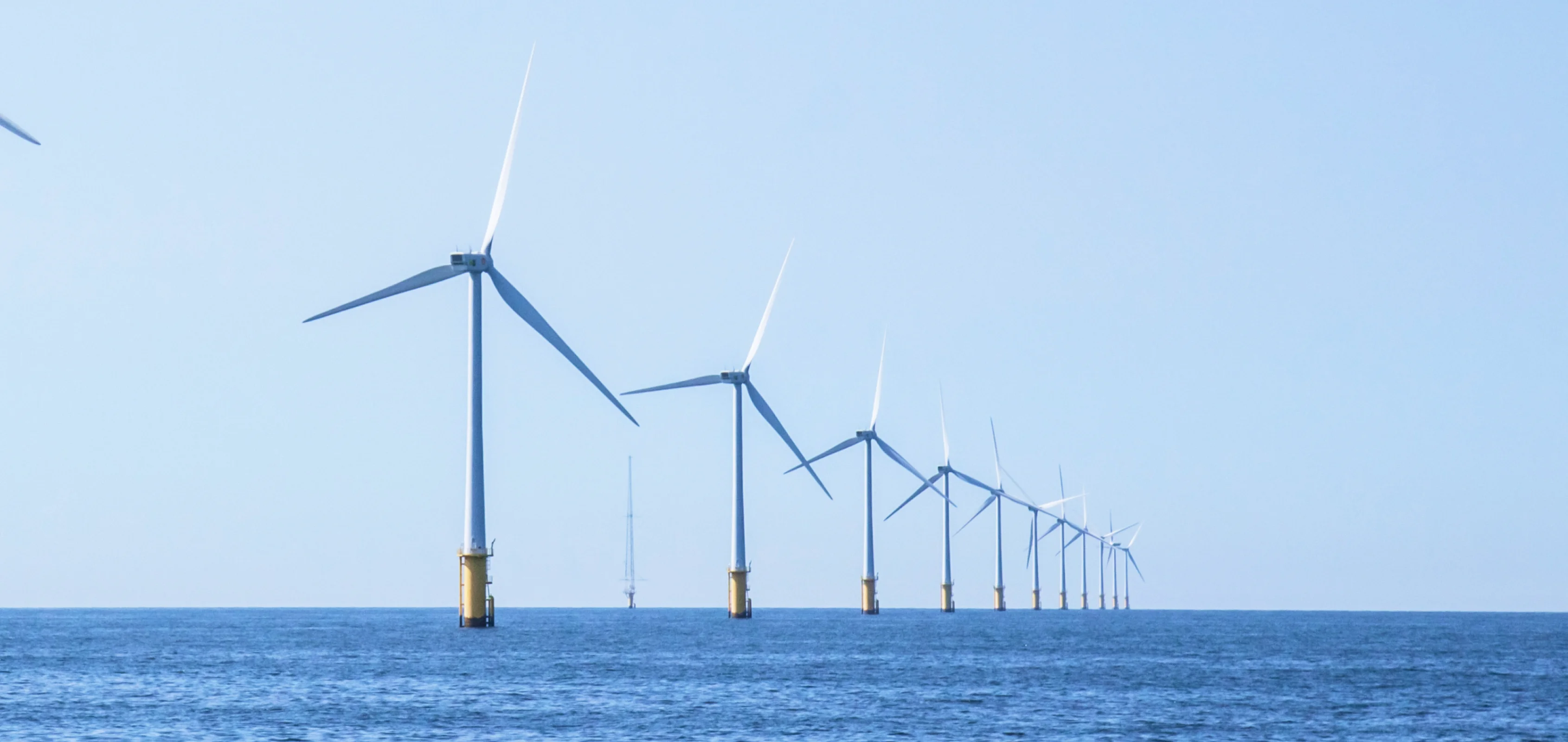
Offshore wind energy is electricity generated by wind turbines installed in oceans, seas, or other large water bodies. These turbines harness strong and consistent offshore winds to produce renewable electricity, which is transmitted to the onshore grid through underwater cables.
In simple terms, the offshore wind energy refers to generating clean power from wind resources available over water rather than on land.
Importance of offshore wind energy
Offshore wind energy is important because it provides access to stronger and more consistent wind resources than most onshore locations, enabling higher electricity generation. It supports large-scale renewable energy deployment, reduces greenhouse gas emissions, strengthens energy security, and helps countries meet their clean energy and climate goals. Offshore wind projects can also create jobs, support coastal economies, and diversify the renewable energy mix.
Uses of offshore wind energy
Offshore wind energy is used for:
- Supplying renewable electricity to homes, businesses, and industries
- Supporting national power grids with large-scale clean energy generation
- Reducing dependence on fossil-fuel-based electricity
- Powering coastal cities and industrial clusters
- Contributing to net-zero and renewable energy targets
- Supporting green hydrogen production and other emerging clean energy applications
Examples of offshore wind energy
Some practical examples of offshore wind energy include:
- Large offshore wind farms installed in the North Sea supplying electricity to millions of homes
- Floating offshore wind projects deployed in deep-water locations
- Coastal nations using offshore wind to diversify their renewable energy portfolio
- Offshore wind projects integrated with green hydrogen production facilities
- India's planned offshore wind developments along the Gujarat and Tamil Nadu coasts