


 Contact us


What is floating solar?
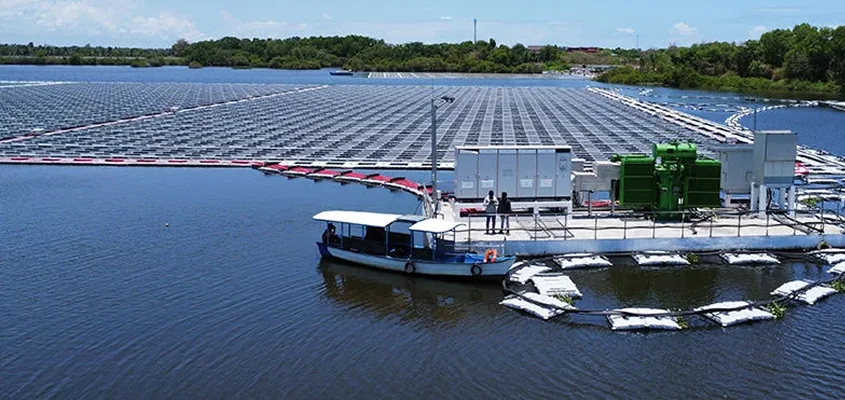
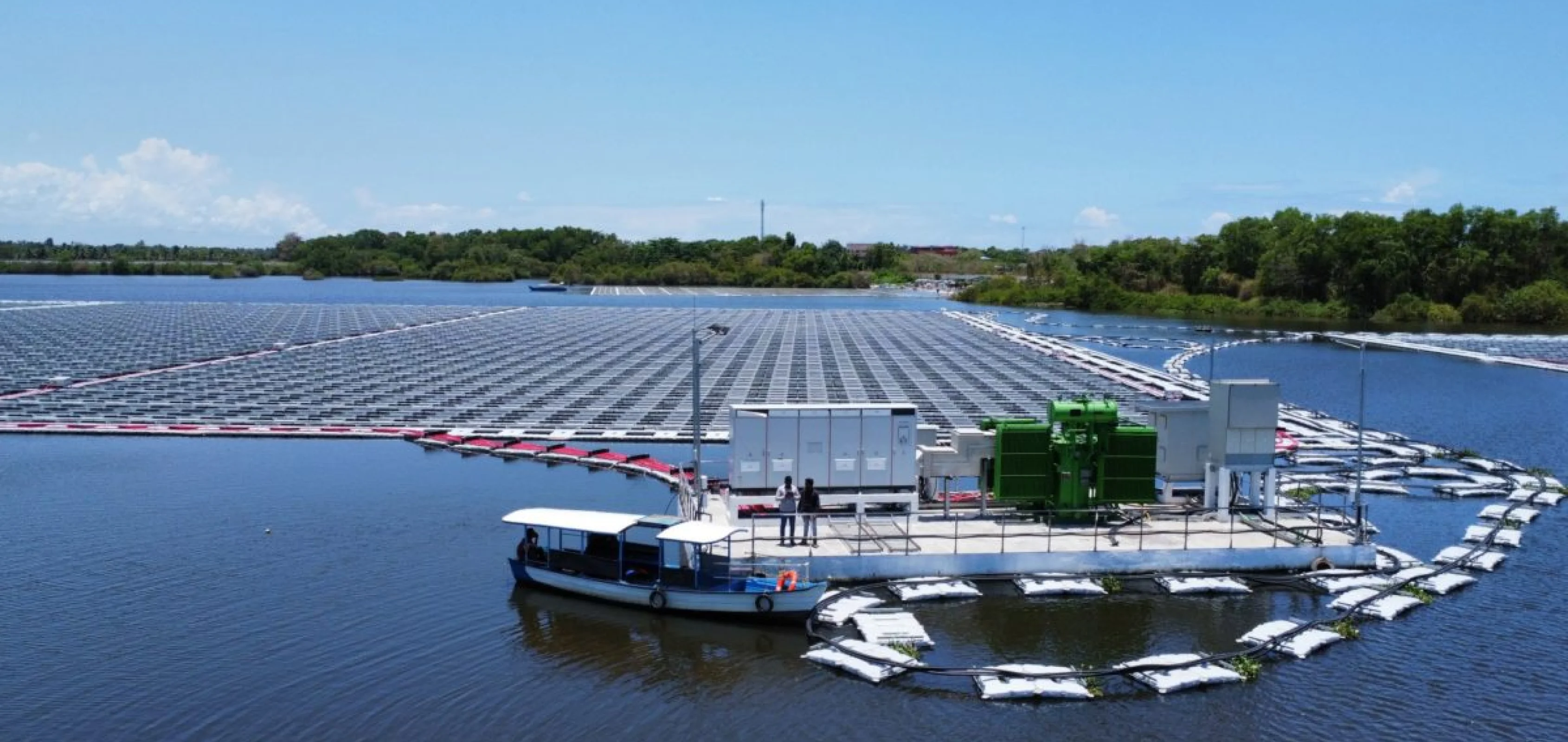
Floating solar refers to solar panels installed on water bodies like lakes, reservoirs, or ponds. These floating solar panels generate electricity while saving valuable land space and reducing water evaporation. In simple terms, floating solar involves installing solar panels on water bodies to generate clean, renewable energy efficiently, often called floating solar farms or floating photovoltaic (FPV) systems.
Importance of floating solar
Floating solar energy is important because it utilizes underused water surfaces to generate renewable power, conserving land and reducing environmental impact. The cooling effect of water enhances solar panel efficiency, contributing to sustainable development and water conservation. Floating solar is ideal for regions with limited land availability, contributing significantly to clean energy goals.
Uses of floating solar
Common uses of floating solar include:
- Generating electricity from solar panels on water
- Powering nearby towns, industries, and water treatment plants
- Reducing evaporation in reservoirs and dams
- Supporting clean energy initiatives in space-constrained areas
Examples of floating solar
Some practical examples of floating solar are:
- Floating solar farms on reservoirs supplying electricity to the grid
- Solar panels on water bodies near industrial zones powering operations
- Floating solar plants installed by governments to meet renewable targets
- Water treatment facilities using floating solar for energy needs
- Remote villages using solar panels on ponds for local power
- Research centers testing floating solar technology for future expansion
Related Terms
Blogs
READ MORE