Introduction

Have you noticed even the tiny society next to yours houses solar panels on the roofs now? What once seemed out of reach is now very real, with solar panels for apartments helping residents push back against rising electricity bills. Not every flat can run entirely on solar, but shared rooftop systems and small personal setups are already making a visible difference. The real question now is how practical solar actually is for apartment living and what you should check before taking the plunge.

Are solar panels for apartments practical?

The short answer is yes. Solar panels can work well for apartments, but feasibility depends less on intent and more on a few practical realities. Unlike independent homes, apartments deal with shared spaces, permissions, and uneven access to sunlight. That’s why solar panels for apartments usually succeed when expectations are clear and the setup matches the building’s layout and rules.

Before getting carried away by panel sizes or savings estimates, it helps to pause and run through a simple feasibility check. This checklist can save time, money, and a lot of back-and-forth with your housing society later.

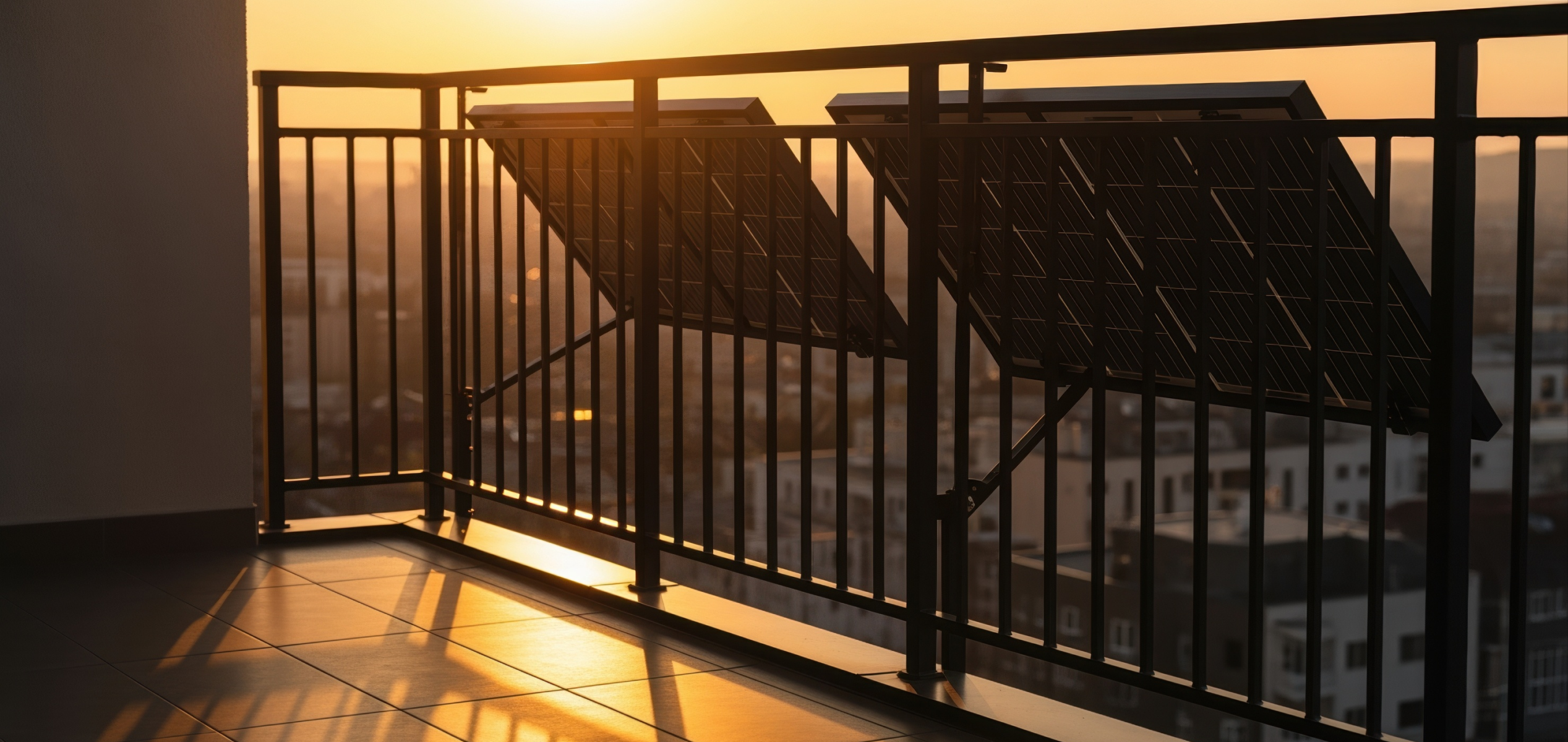
Balcony solar setup in apartment building

Balcony setups make solar panels for apartments practical even without a rooftop

A practical checklist before installing apartment solar panels

1. Do you have access to suitable space?

For most apartment buildings, the rooftop is the most effective location for solar panels because it receives the most consistent sunlight hours during the day. As a general benchmark, a space that gets around 4–5 sunlight hours daily is considered suitable for solar generation in most parts of India. However, rooftop space in apartments is usually shared, and not every society has enough unshaded area to support larger systems.

If rooftop access is limited, smaller alternatives such as balcony-mounted or window-facing panels can still be explored. These options rely on available sunlight hours during the day and, while they generate less power, they can support basic electricity needs inside individual flats.

Ask yourself:

  • Is the terrace largely free from shade (water tanks, lift rooms, nearby buildings)?
  • Does your balcony or window get direct sunlight for several hours a day?

2. Have you checked housing society rules?

This is often the biggest deciding factor. Any rooftop installation almost always needs approval from the housing society or RWA, especially if it’s meant to power common areas or multiple homes. Even balcony or window installations, though smaller, may need consent depending on building bylaws.

What to confirm early:

. Is rooftop solar allowed for common-area use?

. Are balcony or window-mounted panels permitted?

. Is there a defined process for approvals?

3. Is the solar system meant for common areas or personal use?

Solar energy for apartments works best when the purpose is clearly defined. Many housing societies begin by using solar to offset common area electricity consumption, such as lifts, corridor lighting, water pumps, and security systems, where savings are immediate, measurable, and shared across residents.

Individual apartment owners, on the other hand, usually explore solar solutions to reduce their personal electricity use through smaller, flat-level systems, especially when rooftop access is limited or shared.

Clarify the goal:

  • Society-level savings on maintenance bills?
  • Individual flat-level savings and backup?
  • Or a mix of both over time?

4. Can net metering or shared models be used?

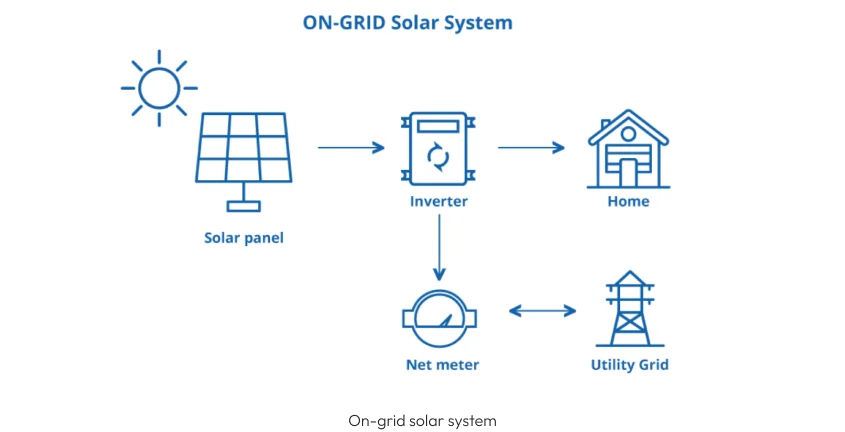
Net metering is a billing mechanism that allows solar system owners to export excess electricity to the grid and receive credits on their electricity bills. For apartments, this is especially useful because it reduces the need for large battery systems. Some buildings also explore group or virtual net metering, where residents benefit from a shared solar plant even without direct roof access.

Things to check:

  • Is net metering available through your local DISCOM?
  • Does your building qualify for shared or group models?

5. Are costs and savings aligned with expectations?

While solar panels for apartments are becoming more affordable, they are still a long-term investment. Rooftop systems spread costs across residents, while balcony systems involve smaller upfront spending but also lower output. Government subsidies can significantly improve payback, but savings depend on usage patterns and system size.

In most apartment setups, payback periods usually range from 3–6 years for subsidized rooftop systems and 6–8 years for smaller balcony or individual installations.

Be realistic about:

  • Upfront investment versus monthly savings
  • Payback period
  • Maintenance responsibilities

6. Do you have access to a qualified installer?

Apartments need careful system design to meet safety norms, electrical regulations, and building codes. A professional installer helps assess feasibility, manage approvals, and ensure the system performs as expected over the long run.    

So, is solar feasible for apartments?

In most cases, yes. When space, permissions, and goals are aligned. Whether it’s a full rooftop system for common areas or a compact personal setup, solar panels for apartments are less about technical possibility and more about planning it the right way.

If you’re curious about how it all actually comes together in real life, there’s a lot more to unpack.


Take a deep-dive into the world of solar panels with our all-knowing guide

Next, let’s look at why so many apartment residents and housing societies are choosing solar, and the real benefits they’re seeing beyond just lower electricity bills.

Why install solar panels in apartments?

Once feasibility is clear, the next question arises. Are solar panels worth having? For many housing societies and residents, solar panels for apartments deliver value in ways that go well beyond lower electricity bills.

Benefits of rooftop solar for apartments

Whether you’re part of a housing society looking to cut common-area electricity costs or an individual resident seeking a more energy-independent lifestyle, the benefits of solar are increasingly compelling. Here are some of the most important advantages of having rooftop solar for apartments in India:


Benefits for apartment societies (Community solar)

1. Significant cost savings: Rooftop solar can cut electricity bills for common areas, including lifts, water pumps, corridor lighting, and security systems, by 30–50%, freeing up funds for other community needs.

2. Predictable electricity expenses: By generating part of their own power, societies can better manage fluctuating utility tariffs and reduce vulnerability to sudden rate hikes.

3. Energy reliability during outages: Solar-backed systems can provide power to essential facilities during grid failures, ensuring uninterrupted operation of lifts, pumps, and emergency lighting.

4. Enhanced property value: Buildings equipped with solar infrastructure are increasingly attractive to eco-conscious buyers and tenants, improving the marketability of apartments.

5. Environmental impact and sustainability: Using clean energy reduces the building’s carbon footprint and helps the community contribute to climate change mitigation.

6. Collective investment advantage: A shared solar system spreads costs across residents, making it financially accessible while benefiting the entire society.

7. Future-readiness for electric mobility: Solar generation can support EV charging points for residents, positioning the building for long-term energy trends.

8. Government incentives and subsidies: Societies can take advantage of programs like PM Surya Ghar Muft Bijli Yojana or other state schemes, making the transition more affordable.

9. Reduced dependency on DISCOM: Partial self-generation reduces load on local electricity providers, offering both financial and operational independence.

10. Positive community image: Solar installations signal sustainability leadership, enhancing the society’s reputation among residents, visitors, and prospective buyers.

Benefits for individual apartments (Personal solar)

1. Lower personal electricity bills: Even small balcony or window-mounted systems can offset lighting, fans, routers, and small appliance usage.

2. Energy independence: Generating your own power, even partially, reduces reliance on the grid and provides backup for essential devices.

3. Flexible installation options: Where rooftop access isn’t possible, plug-and-play balcony or window panels offer practical alternatives.

4. Portability for renters or temporary setups: Small portable solar panels can be relocated easily, giving flexibility without permanent modifications.

5. Environmental contribution: Individual residents contribute to overall carbon reduction, supporting wider sustainability goals.

6. Integration with batteries or net metering: Small personal systems can be paired with home batteries or connected to society-level systems for maximum utility.

7. Support for essential devices: Even limited solar setups can keep Wi-Fi routers, laptops, or lights running during short outages.

8. Learning and awareness: Installing solar at home increases energy literacy, helping residents make smarter energy choices.


Basically, solar energy for apartments is increasingly recognized as a win-win. It reduces costs, promotes sustainability, and enhances comfort, all while making apartments more resilient to power outages and future energy challenges.



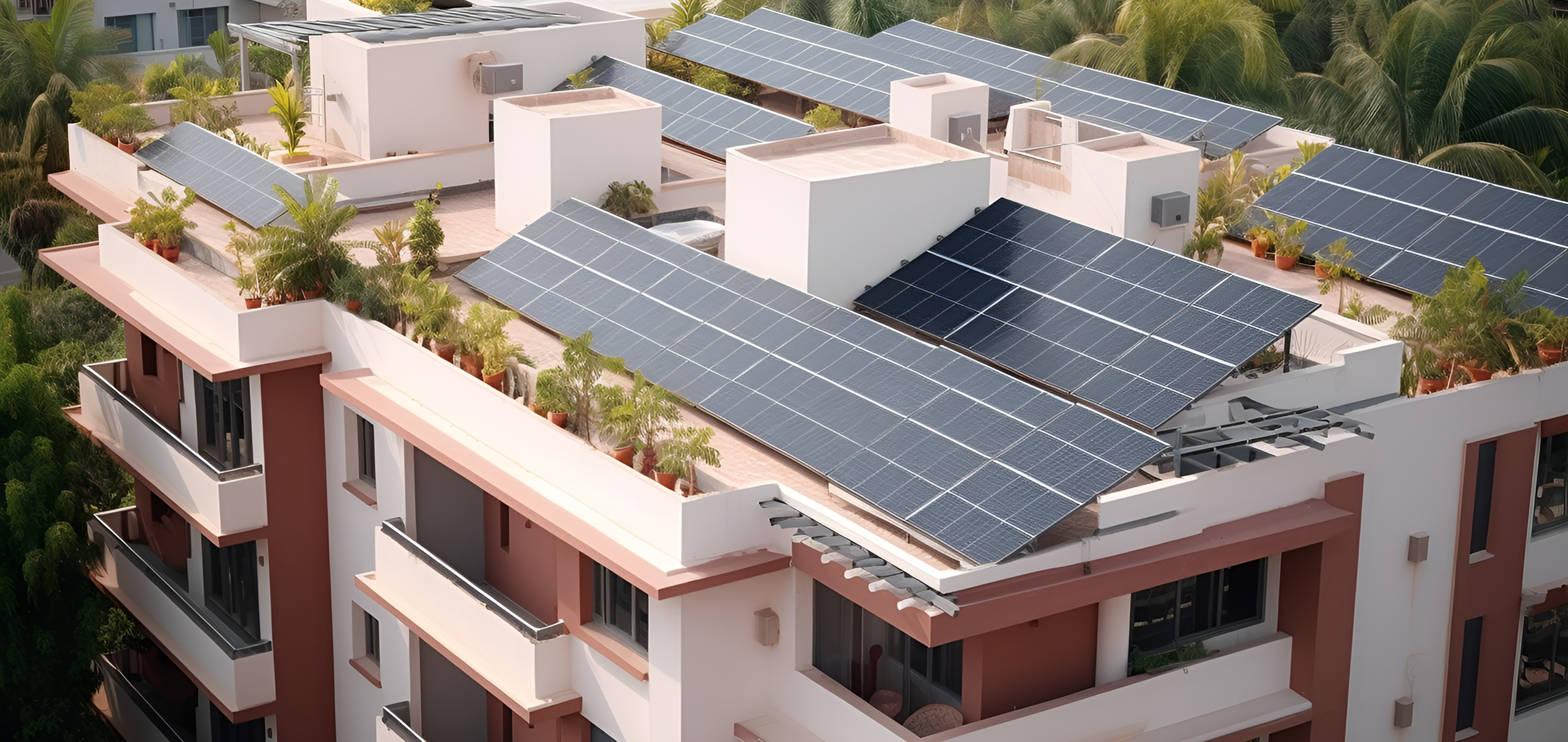
 Rooftop solar panels on a residential building

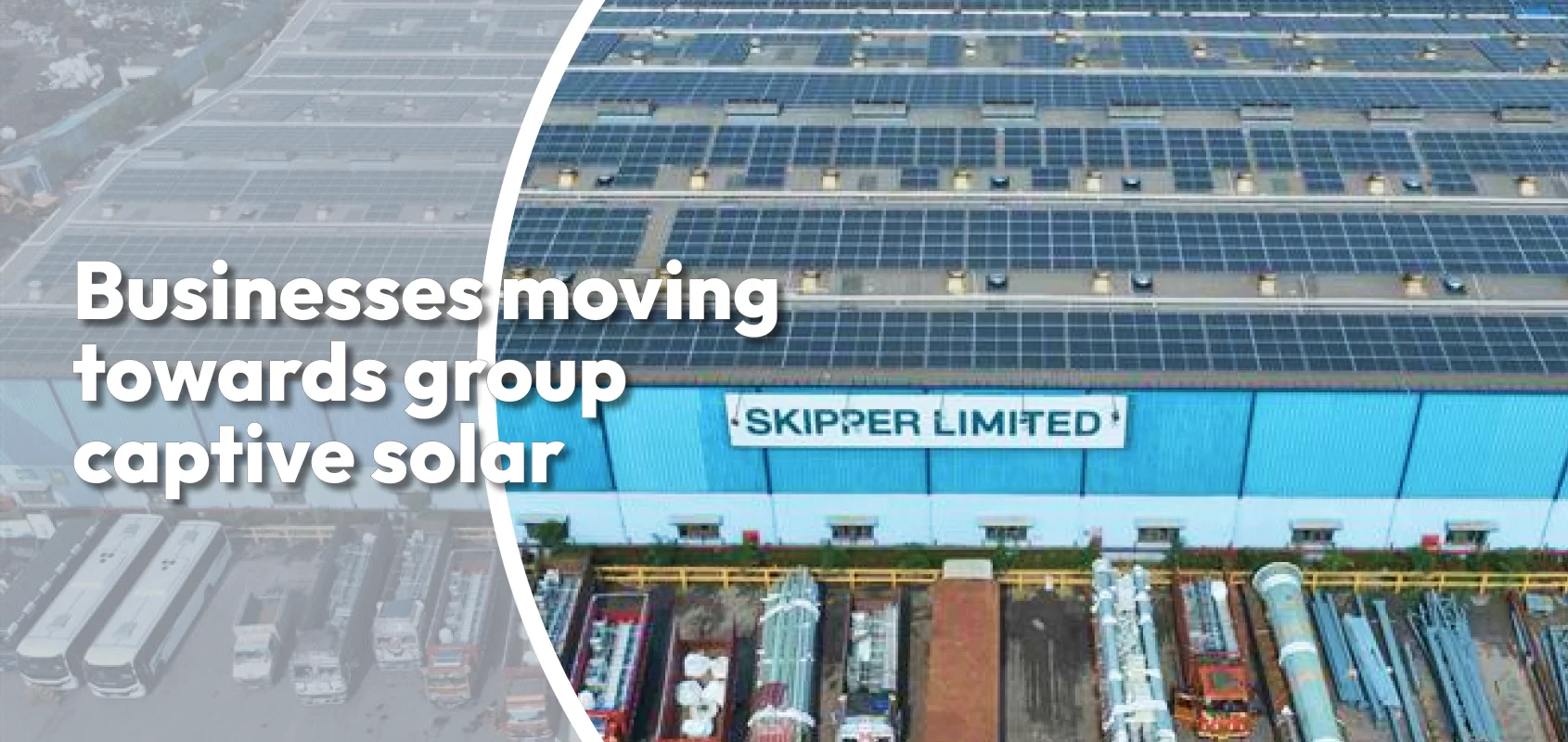
Community rooftop solar for apartments can help reduce overall panel cost

What are the different types of solar panels for apartments?

When it comes to solar panels for apartments, one size doesn’t fit all. The right system depends on the available space, energy needs, and whether the goal is to power common areas or individual flats. Broadly, solar setups for apartments fall into three categories: rooftop/communal systems, balcony or window-mounted panels, and portable solutions for personal use.

1. Rooftop / communal solar systems

Rooftop solar is the most common approach for apartment buildings, especially when powering common areas like lifts, water pumps, and corridor lighting.

  • Shared rooftop systems: Panels are installed on the terrace for the entire building. Residents can either invest collectively or buy shares in a virtual net metering setup.
  • Cost distribution: Shared investment reduces individual financial burden while maximizing energy generation.
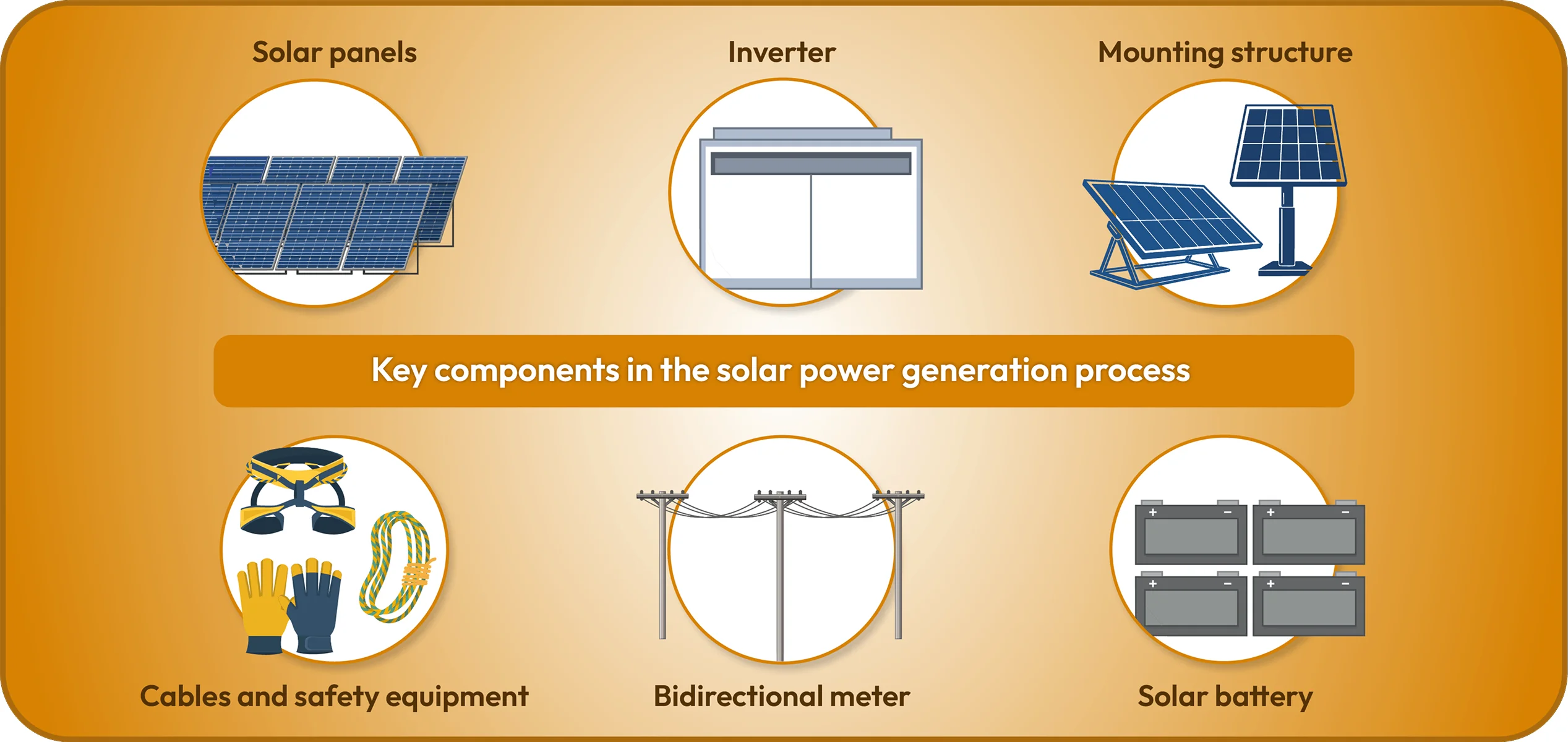
  • System components: Typically includes high-efficiency panels, inverters, and sometimes batteries to ensure continuity during power cuts.
  • Long-term impact: Apart from lowering maintenance charges, rooftop systems improve the property’s marketability and contribute to sustainability goals.

2. Balcony or window-mounted solar panels

For apartments with limited or no rooftop access, balcony and window-mounted solar panels are practical alternatives.

  • Plug-and-play kits: Small panels with micro-inverters can be installed on balcony railings or windows, feeding power directly into a standard outlet.
  • Ideal for personal use: These systems are perfect for running lights, fans, routers, and charging devices.
  • Space-efficient: Compact designs make it possible even in apartments with minimal outdoor area.
  • Renter-friendly: Portable and non-permanent, these systems allow flexibility for tenants who can’t modify the building structure.

3. Portable solar panels for apartments

Portable solar panels are becoming popular among residents who want energy independence without a fixed installation.

  • Lightweight and foldable: These panels can be moved around to maximize sun exposure throughout the day.
  • Small-scale energy solutions: Suitable for charging laptops, phones, or powering small appliances.
  • Integration with battery packs: Some systems include built-in batteries for storing energy for use after sunset.
  • Flexibility: Ideal for temporary setups, rental apartments, or experimenting with solar before committing to larger installations.

By understanding these different system types, apartment residents can choose solutions that fit both their energy goals and physical constraints, whether it’s powering an entire building’s common areas or just reducing personal electricity bills.

Step-by-step guide for rooftop and balcony systems

Installing solar panels in apartments might seem complicated at first, but breaking it down into clear steps makes the process manageable, whether it’s a shared rooftop system for the entire building or a personal balcony setup.

How to install solar panels in apartment 

1. Seek approvals and permissions

• Housing society / RWA consent: For any rooftop installation, society approval is mandatory. Present a clear proposal outlining costs, benefits, and shared responsibilities.

• DISCOM approval for net metering: If you plan to feed excess power back to the grid, your local Distribution Company (DISCOM) must approve and set up a net meter.

• Balcony/window installations: Even small personal setups often require consent, depending on building rules.

2. Assess space and sunlight availability

  • Rooftop systems: Check roof area for unshaded zones, orientation, and potential obstructions like water tanks or nearby buildings.
  • Balcony/window panels: Ensure panels receive several hours of direct sunlight; small adjustments in position can improve efficiency.
  • Shadow analysis: A professional installer can identify shading patterns throughout the day to optimize placement.

3. Choose the right system and components

• System type: Decide between a communal rooftop system, balcony/window-mounted panels, or portable setups based on goals and space.

• Panels and inverters: High-efficiency panels and quality inverters ensure long-term performance. Micro-inverters work well for small balcony or window setups.

• Optional batteries: Consider adding battery storage if you want power during outages or to reduce reliance on the grid.

4. Hire a qualified installer

  • Certified professionals: Experienced certified installers handle electrical connections, safety protocols, and compliance with building codes.
  • Installation for communal systems: Professionals can manage complex layouts, shared metering, and integration with society electricity boards.
  • Balcony/window installations: Even small systems benefit from proper mounting and wiring to prevent accidents and ensure efficiency.

5. Monitor and maintain

• Initial testing: After installation, verify output and net-metering connections.

• Panel maintenance: Periodic cleaning, inspection of panels and inverters, and professional servicing ensure optimal performance over 25+ years.

• Monitoring apps: Many modern systems come with apps to track energy generation, consumption, and savings.

By following these steps, apartment residents can successfully install solar panels tailored to their building layout, whether powering shared areas or individual units.

What do solar panels for apartments cost in India?

The cost of solar panels for apartments in India can vary widely depending on the type of system, capacity, and whether it is designed for communal rooftop use or individual apartments. Prices are influenced by local electricity tariffs, state policies, and eligibility for central government subsidies. Understanding these cost components helps residents and housing societies plan their investment realistically and assess long-term savings.

1. Factors affecting costs

• System size (kWp): Larger systems generate more energy but come with higher upfront costs. Rooftop systems for entire buildings require significantly more panels than personal balcony setups.

• Panel type and quality: High-efficiency monocrystalline or bifacial panels are more expensive but deliver better long-term output.

• Installation complexity: Rooftop systems with shared metering, structural reinforcements, or high-rise access will incur higher labor costs. Balcony/window systems are simpler and cheaper.

• Inverters and batteries: Including inverters or batteries for storage increases upfront costs but may provide additional energy security.

• Local permits and net metering: Fees for DISCOM approvals and connection setups are minor but should be factored in.

System TypeSize (kWp)Approximate Cost Before Subsidy*
Personal Balcony / Window0.1–0.3 kW₹10,000–₹35,000
Individual Flat Rooftop2–5 kW₹1.3–3.25 Lakhs
Communal Rooftop (Society)10 kW+₹6 Lakhs+

2. Government subsidies

  • PM Surya Ghar Yojana: Offers significant financial assistance for residential solar installations, potentially reducing a 2 kW system from ₹1.5–2 Lakhs to around ₹50,000–₹60,000 in some regions.
  • State-specific incentives: Many states provide additional rebates, lowering the payback period and improving return on investment.

3. Cost-benefit perspective

While the upfront cost may seem substantial, solar panels for apartments offer long-term savings:

  • Reduced electricity bills for common areas and individual flats
  • Subsidy support lowers the payback period
  • Increased property value and sustainability credentials

Investing in solar is not just about saving today. It’s a long-term strategy for energy independence, financial efficiency, and environmental responsibility.

How do you maintain rooftop solar for apartments?

Installing solar panels is just the first step. Proper solar panel maintenance ensures your system continues to deliver optimal performance and long-term savings. Fortunately, solar panels are generally low-maintenance, but apartment setups have unique considerations.

1. Regular cleaning

  • Dust and pollution: Urban apartments often face dust, bird droppings, and pollution, which can reduce efficiency.
  • Cleaning frequency: Typically, cleaning panels 2–4 times a year is sufficient; more frequent cleaning may be required in dusty areas.
  • Safe cleaning methods: Use soft brushes, mild soap, and water; avoid harsh chemicals or high-pressure water. Balcony and window-mounted panels may need extra care to prevent accidental falls or damage.

2. Inspection of components

  • Check inverters and wiring: Ensure inverters are functioning correctly and wiring remains intact. Faulty connections can reduce energy generation.
  • Monitor mounting structures: Rooftop panels should be checked for loose bolts or corrosion; balcony or window setups should be securely fastened to prevent accidents.
  • Battery maintenance (if applicable): For systems with batteries, periodically inspect and maintain according to manufacturer guidelines.

3. Monitoring performance

  • Energy output tracking: Many systems offer monitoring apps to track generation and consumption in real time.
  • Identifying drops in performance: Significant decreases may indicate shading, dirt accumulation, or technical faults requiring attention.
  • Professional check-ups: Annual inspections by certified installers help detect and prevent issues early.

4. Safety and compliance

  • Electrical safety: Ensure maintenance is performed by trained personnel, especially for rooftop or communal systems.
  • Society rules: Follow housing society guidelines for accessing rooftops and shared spaces during maintenance.
  • Regulatory compliance: Maintain records for net-metering approvals and subsidies, as some programs require evidence of proper operation and maintenance.

5. Benefits of proper maintenance

  • Longer lifespan: Solar panels can last 25–30 years with minimal degradation if maintained correctly.
  • Optimal efficiency: Clean, well-maintained panels generate maximum energy, reducing electricity bills consistently.
  • Protects investment: Regular care prevents costly repairs and ensures the system delivers expected returns.

By keeping your solar panels clean, inspected, and monitored, apartment residents and societies can enjoy reliable energy production and long-term cost savings.

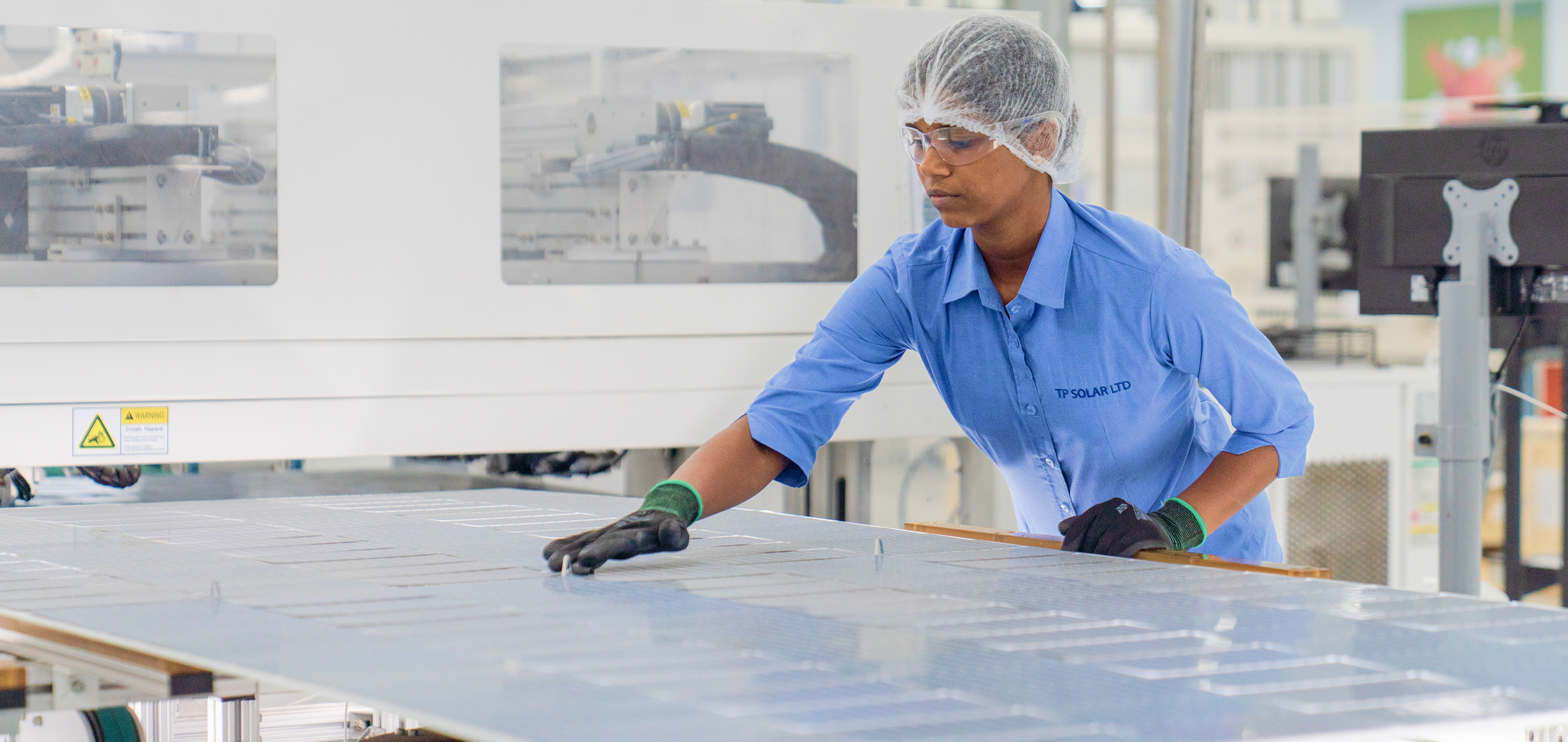
Solar panel manufacturing and maintenance process

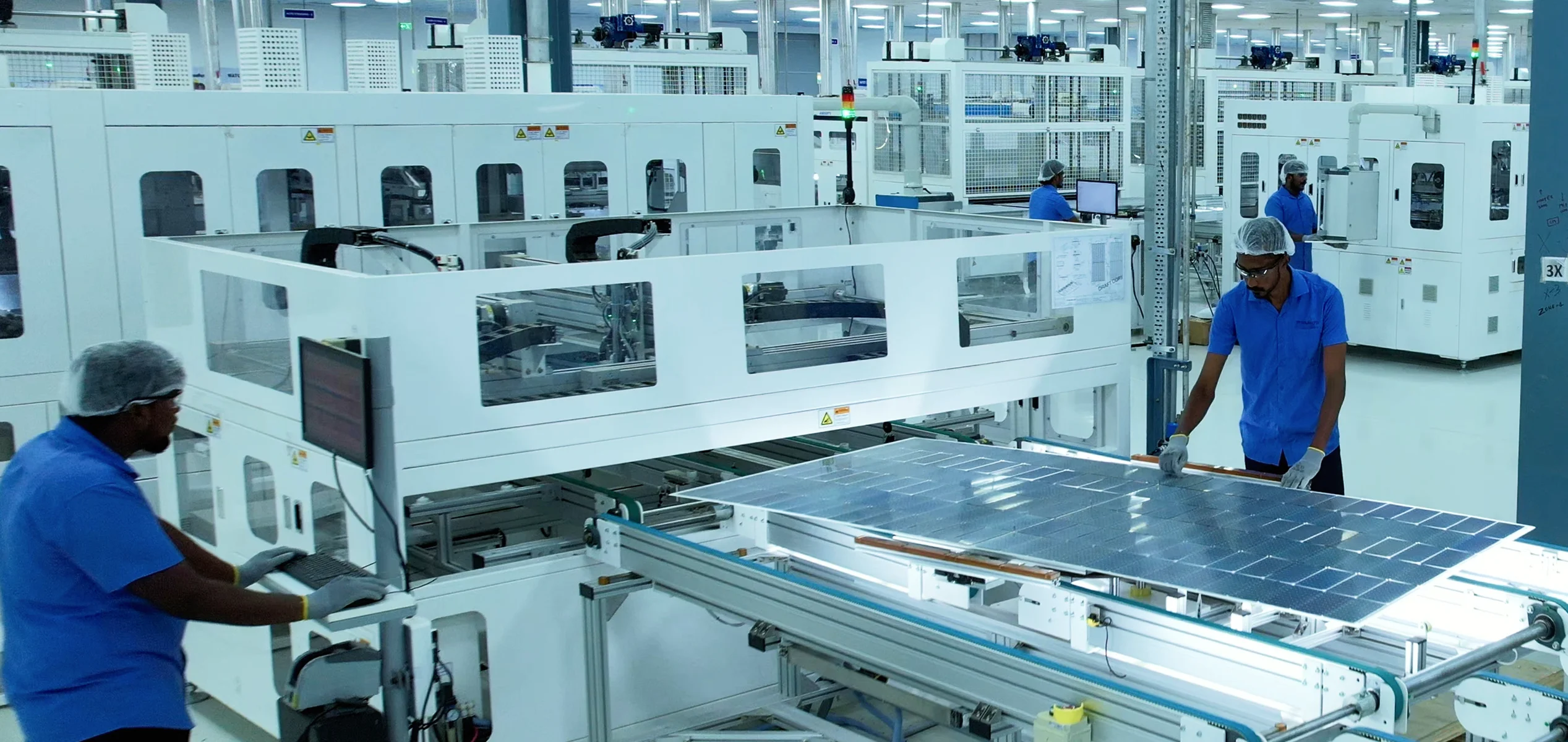
Precision manufacturing ensures reliable modules for solar panels for apartments

Finding the right rooftop solar partner for apartments

Installing a rooftop solar system in an apartment building is a significant investment, and choosing the right partner can make all the difference in terms of efficiency, safety, and long-term savings. A reliable solar partner ensures proper design, smooth installation, and ongoing support, while helping navigate approvals, net metering, and maintenance.

Why choosing the right partner matters

  • System design and optimization: A professional installer assesses roof space, orientation, and shading to maximize energy generation.
  • Compliance and approvals: Experienced partners help obtain housing society permissions and DISCOM approvals for net metering.
  • Quality of equipment: Trusted partners use high-quality panels, inverters, and mounting structures that last for decades.
  • Maintenance and support: Long-term performance depends on periodic checks, cleaning, and professional servicing.

Key tips for selecting a rooftop solar partner

1. Check credentials: Look for certified installers with experience in apartment projects.

2. Compare quotes and packages: Consider system size, panel type, warranties, and post-installation services.

3. Evaluate financing and subsidies: A good partner helps navigate government schemes like PM Surya Ghar Yojana to reduce costs.

4. Read reviews and case studies: Past apartment installations can reveal the partner’s reliability and performance.

By partnering with a trusted provider like Tata Power, apartment residents and societies can ensure a smooth solar journey, from planning to installation and maintenance, maximizing savings and energy efficiency while avoiding common pitfalls.

Tata Power solar solutions for apartments

Tata Power, with decades of experience in renewable energy, offers comprehensive rooftop solar solutions for apartments:

  • End-to-end service: From site assessment and system design to installation, net-metering, and post-installation monitoring.
  • Flexible financing: Options include outright purchase, lease, or Power Purchase Agreements (PPAs), making solar affordable for housing societies.
  • Customized solutions: Tata Power designs systems for both large communal rooftops and individual flat setups, including balcony or small rooftop kits.
  • Trusted expertise: With a national presence, Tata Power ensures safety, compliance, and optimal energy output for every project.

Ready to make the switch to solar?

Partner with Tata Power today to design and install a rooftop solar solution tailored to your apartment

Bottomline

Solar panels for apartments offer real savings, whether through communal rooftop systems for shared areas or small balcony and window setups for individual flats. They help reduce electricity bills, increase property value, and support a sustainable lifestyle.

With government subsidies, net metering, and reliable partners like Tata Power, installation is easier and more affordable than ever. Minimal maintenance and long-lasting panels make solar a smart, future-ready investment for any apartment.

Frequently asked questions

The frequently asked questions section is a reliable source for unlocking answers to some of the most crucial inquiries. Please refer to this section for any queries you may have.


Solar panels for apartments convert sunlight into electricity using photovoltaic (PV) cells. In apartment buildings, rooftop solar for apartments or individual setups feed electricity either directly to the apartment or to common areas, reducing reliance on the grid and lowering electricity bills.


Apartments can use rooftop solar for apartments, balcony or window-mounted panels, and portable solar panels for apartments. The choice depends on available space, sunlight hours, and whether the goal is to power common areas or individual flats.


Yes, individual flat owners can install solar panels for apartments, often through balcony or window setups. These systems help residents reduce personal electricity bills without needing full rooftop access.


Yes, net metering allows apartments with solar panels to feed excess electricity back to the grid in exchange for credits. This is particularly useful for rooftop solar for apartments powering common areas or for smaller flat-level systems.


Yes, battery storage can be added to solar energy for apartments to store excess electricity for use during outages or night-time. Hybrid setups combining solar panels and batteries improve energy independence and reliability.


Tata Power Solaroof provides end-to-end rooftop solar solutions for apartments, from design and installation to net metering and maintenance. They also offer flexible financing options, making solar panels for apartments cost-effective and hassle-free.


On-grid systems are ideal for apartments with access to net metering, while hybrid systems include battery storage for backup power. Choosing between the two depends on your energy goals, budget, and whether continuous electricity is necessary.


Yes, solar panels for apartment windows or balcony setups are practical for residents without rooftop access. These small-scale systems can power lights, fans, routers, and other essential devices while saving on electricity bills.


The number of panels depends on electricity usage, sunlight availability, and roof or balcony space. A typical 2–5 kWp rooftop solar for apartments setup can serve a single flat, while smaller balcony systems need fewer panels.


Yes, portable solar panels for apartments are ideal for renters or temporary setups. They provide flexibility, basic energy supply for small devices, and allow residents to experience solar energy for apartments before committing to permanent installations.

Disclaimer:
The information provided in this blog has been compiled from multiple sources, including official company websites and other publicly available open-source platforms, believed to be reliable at the time of publication. However, such information may change over time, may not always reflect the most current developments, and may become outdated.
This content is intended solely for general informational purposes and should not be construed as professional, technical, financial, or legal advice. Tata Power does not guarantee the accuracy, completeness, or reliability of the information presented and shall not be held responsible for any loss or damage arising from reliance on this content.
Readers are advised to independently verify information from relevant official sources and conduct their own due diligence before making any decisions based on the content of this blog.