


 Contact us


Introduction
Choosing the right public EV charging station in India goes beyond picking the one closest to you. Connector compatibility, charging speed, charger availability, pricing, payment options, and network reliability all influence how smooth your charging experience will be. This blog explores the 13 most important factors every EV owner should consider to make an informed choice before plugging in.
According to Business Standard, India's public charging network crossed 52,000 stations by March 2026, which still works out to roughly 1 charger for every 190 registered EVs. With margins that tight, finding the most compatible pick is what keeps a drive from turning into a wait.
What should you consider before choosing a public EV charging station in India?
Selecting the right station can help you charge efficiently, avoid unnecessary waiting, manage costs better, and ensure your EV receives power through a compatible and reliable charger. With multiple factors shaping every charging stop, making an informed decision can go a long way in creating a smoother EV experience. Here are the 13 things worth checking before you stop at a public EV charging station in India.
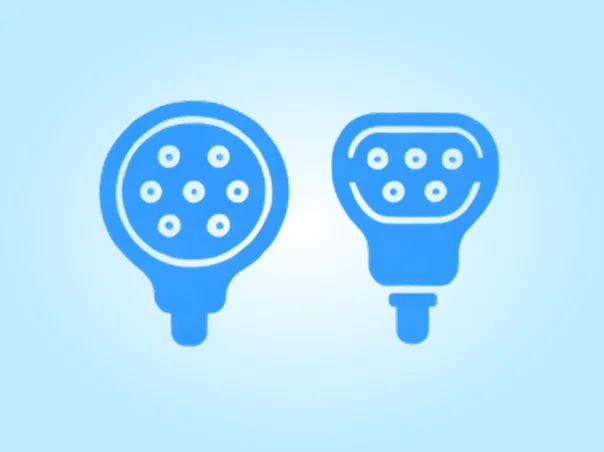
Connector compatibility (Type 2, CCS2, CHAdeMO)
Charging speed: AC vs DC
Real-time slot availability
A reliable charging app

Station location along your route

Nearby amenities
Charging cost and tariffs
Payment options
Charging network reliability

User ratings and reviews

Station safety and upkeep
Operating hours
Backup charging options
1. Connector compatibility
A charger that won't plug into your car is a more common problem than it should be. Most Indian EVs use Type 2 for AC charging, while CCS2 is now the standard for DC fast charging, used by majority of vehicles in India. Older or imported vehicles sometimes run on CHAdeMO, though such stations are rarer. Government norms also require every public station to carry at least one of each connector type, so a quick check on your car's spec sheet avoids a wasted trip.
2. Charging speed: AC vs DC
Not every stop needs the fastest charger around. A 7.4 kW or 11 kW AC charger works fine for a couple of hours, say while you shop or work. For a quick highway top-up, a DC fast charger (30 kW to 150 kW) gets you moving faster. It also helps to know your car's maximum charging capability, since a 150 kW charger won't help if your EV caps out at 50 kW.
Wondering which charger your vehicle needs? Here is blog that will help you make the ultimate decision. Read here
3. Real-time slot availability
Reaching a charger only to find it occupied or out of service is frustrating and avoidable. A quick check before you set off, or a small detour based on what's actually free nearby, saves the wait nobody plans for. This matters most during evenings and weekends, when demand at popular stations tends to spike.
4. A reliable charging app
A good app changes how public charging feels day to day: live slot status, starting or stopping a session from your phone, tracking how much charge you've added, and paying without fumbling for cash at the unit. Tata Power's EZ CHARGE app is built around this, giving drivers a live map, real-time availability, and the ability to plan a charging stop as part of the route, not an afterthought.
Ready to explore this dynamic app that keeps up with your adventures? Download now!
5. Station location along your route
A charger that's technically closer isn't always the better choice if it means a tricky turn off the highway or a cramped mall basement. Look for stations that sit conveniently along your route, are easy to enter and exit, and don't need a detour. This matters more on long drives, where every unnecessary stop eats into the time fast charging just saved you.
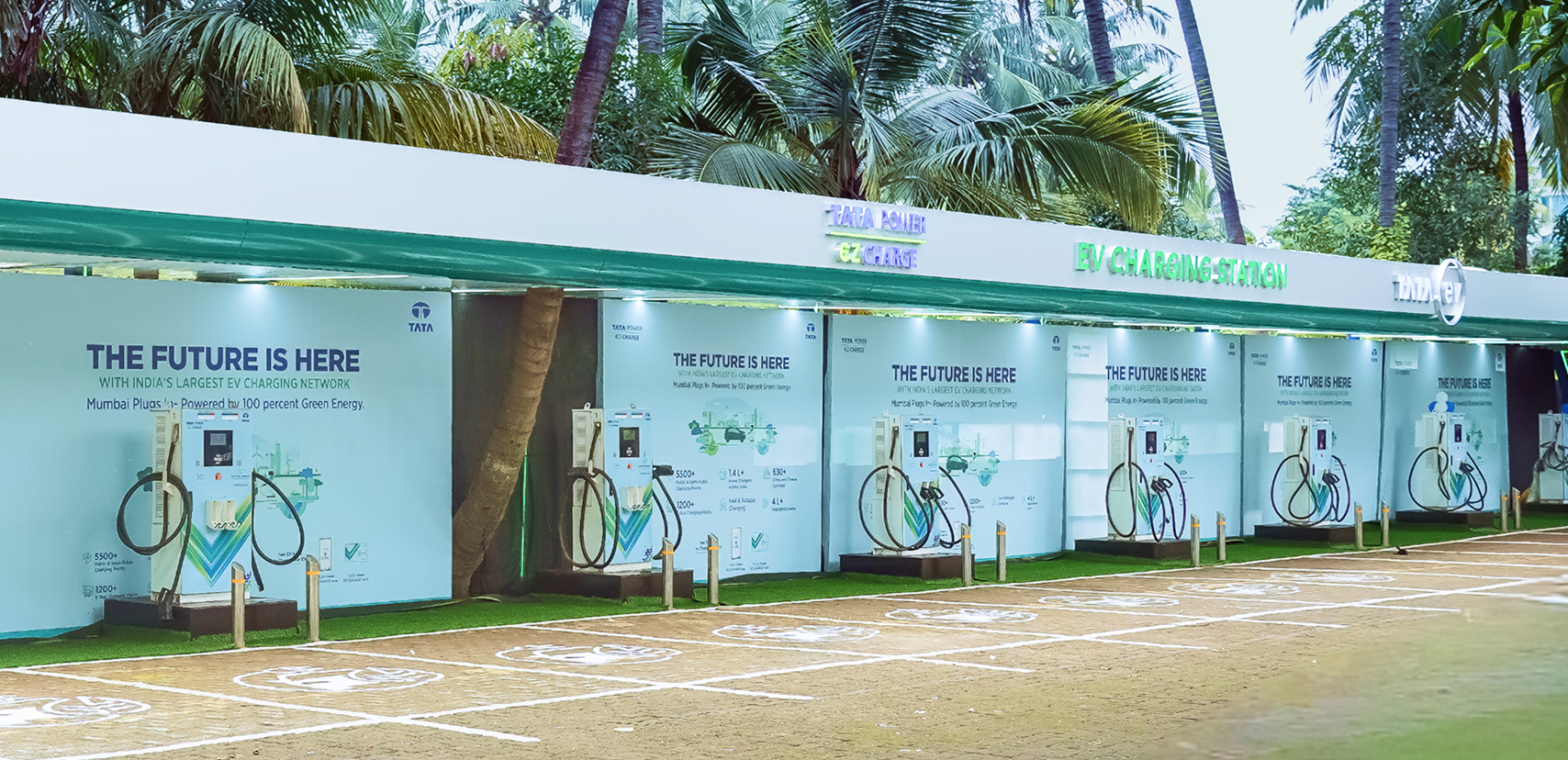
When a charging station fits your route, charging becomes a seamless part of the journey
6. Nearby amenities
If you're on an AC charger for an hour or two, having a café, restroom, or some retail nearby makes the wait far more bearable. It matters even more on longer, interstate sessions, where somewhere to sit, eat, or get some work done turns a charging stop into something almost useful.
7. Charging cost and tariffs
Charging costs vary between per-unit (per kWh) and per-minute pricing, and the difference matters more than people expect, especially if your car charges slowly. Some stations also levy an idle fee once your car's done charging, mainly to free up the bay. None of this is hidden, but it's rarely obvious unless you check before you start the session.
8. Payment options
Beyond in-app payments, most public chargers support UPI, cards, and RFID tags for regular users. Some also allow guest checkout for one-off visits, useful when you're charging on an unfamiliar network for the first time. Arriving at a charger and realising you can't pay for it is an entirely avoidable inconvenience.
9. Charging network reliability
A good charging network isn't just about how many pins it has on a map. It's consistent uptime, coverage across the cities and highways you actually drive, and support that responds when something goes wrong. Tata Power's network, for instance, spans a wide footprint across Indian cities and highway corridors, the kind of scale that matters once you're relying on public charging regularly.
By now you've got the core mechanics down: connector, speed, cost, and network reliability. If you're curious how India's public charging ecosystem fits together at a broader level, our companion handbook covers that in more depth.

10. User ratings and reviews
An app's live status tells you if a charger is free right now. It won't tell you it's been unreliable for two weeks, or that the queue runs long on weekday evenings. Recent reviews fill that gap and are worth a quick glance, especially for a station you haven't used before.
11. Station safety and upkeep
A well-run station tends to look the part: decently lit, with equipment that's clearly maintained, EV bays marked out properly, and surroundings that feel safe to wait in after dark. Covered charging bays are a bonus too, especially during heavy rain or peak summer heat, since they make longer sessions noticeably more comfortable. It's not something you think about, until you're standing at a poorly lit charger at 9 pm.
12. Operating hours
Not every public charger runs round the clock. Several sit inside malls, offices, or commercial premises with their own hours, so a charger that's reliable at 3 pm might be inaccessible at midnight. Worth a quick check if you're charging outside typical daytime hours.
13. Backup charging options
Even a well-planned stop can fall through: a charger goes down, a queue forms, or the station's busier than the app suggested. Having a second station in mind costs nothing and saves plenty, particularly during long weekends, festival travel, or the holiday season, when charging infrastructure sees its heaviest load.
Run through this checklist a few times, and it stops feeling like a checklist at all. Connector type, charging speed, live availability, and a reliable app become second nature, the same way checking fuel level once was. What's left is a genuinely smoother way to drive electric in India, where a charging stop is a small pause in the journey rather than a source of worry.
Once you know what to look for, the network behind the charger makes all the difference in how often you'll actually enjoy using public charging.
A reliable network turns that checklist into a habit rather than a chore, and that's exactly the experience Tata Power's EZ Charge network is built around.

Ready for effortless EV charging?
Join the Tata Power EZ CHARGE network and charge with confidence, wherever you drive.
Bottomline
Choosing the right public EV charging station in India really comes down to a handful of practical checks: matching your car's connector and charging speed, confirming real-time availability through a reliable app before you head out, understanding the cost and payment options upfront, and trusting a network known for uptime and safety. Tata Power's EZ Charge network, spread across cities and highway corridors with live availability built into the app, makes this easier in practice. Get these basics right, and public charging stops feeling like a gamble and becomes just another quick, dependable part of the drive.
Frequently asked questions
- Solaroof
No, every EV cannot use every public charging station in India. Compatibility depends on factors such as the vehicle's connector type, charging standard, and whether the car supports AC or DC charging. Checking your EV specifications before arriving at a station helps avoid compatibility issues.
Your EV's charging connector depends on the vehicle model and charging type it supports. In India, Type 2 is commonly used for AC charging, while CCS2 is widely used for DC fast charging. Some older or imported EVs may use CHAdeMO connectors.
Choose an AC or DC charger based on your charging time requirements and your EV's capabilities. AC chargers are suitable for longer stops, while DC fast chargers are better for quick top-ups during highway trips. The charging speed you receive will also depend on your EV's maximum charging capacity.
Public EV charging time depends on the charger type, power output, and your EV's battery capacity. AC chargers generally take longer, while DC fast chargers can significantly reduce charging time. Your vehicle's maximum charging rate also determines how quickly it can charge.
If you want to learn more about EV charging time for different chargers and vehicles in India, here is an all-inclusive blog to get you started. Explore here
You can check public EV charging station availability through charging network apps that provide real-time updates. These apps can show whether chargers are available, occupied, or unavailable, helping you plan your stop better and avoid unnecessary waiting.
Highway EV charging stations can be reliable when they are part of a well-maintained charging network with good coverage. Before starting a long journey, check station availability, charger compatibility, operating hours, and nearby alternatives to avoid unexpected delays.
Yes, some public EV charging stations support alternative payment options such as UPI, cards, or RFID-based payments. However, using the network's app can provide features such as live availability, charging history, and easier station discovery.
If your nearest EV charging station is unavailable, check for another compatible charger nearby through a charging network app. Planning an alternative station before a long journey and keeping track of availability updates can help you avoid delays and continue your trip with confidence.
Keep reading...
View all