


 Contact us
Smart home automation connecting comfort, control and energy efficiency


Sections
- Introduction
- What is a smart home?
- How smart home automation works in 5 simple steps
- How to pick smart home devices that fit your lifestyle?
- What are the benefits of smart home automation?
- How does IoT make your home feel more intuitive?
- What if smart homes are not as complex as you think?
- Can your existing home become smart without modifications?
- How can smart home automation make workspaces more sustainable?
- Can your Airbnb save money for every stay?
- How EZ HOME builds a smarter Mumbai
- What if your control panel became the family remote?
- Can a rented home become smart without renovation?
- Can smart lighting really help you cut energy usage and save money?
- 10 things motion sensor lights can do beyond lighting
- Bottomline
- FAQs
Introduction
Smart homes have moved well beyond the idea of futuristic gadgets and complicated new-age setups. Today, the real value of smart home automation is far more practical: giving people greater control over their spaces, helping reduce unnecessary energy use, improving safety, and making everyday routines easier to manage.
And that intelligence is no longer limited to newly built homes. From retrofit switches and app-based control to automated lighting, appliance monitoring, sensors, and connected routines, smart technology can now fit into existing homes, rentals, Airbnbs, and even workspaces. So what does a smart home really look like today, and how much can it change the way we live? This blog explores the possibilities.
What is a smart home?
A smart home is a connected living space where IoT-enabled devices, smart switches, smart plugs, smart lighting, appliances, security systems, and sensors work together through app control, voice control, or automation. Instead of manually managing every device, homeowners can set up routines, monitor energy use, improve comfort, and make daily tasks easier. For brands, smart home automation is not just technology inside a house. It is a simpler, safer, and more energy-aware way to live, designed around the people who use it.
How smart home automation works in 5 simple steps
Smart home automation works by integrating everyday electrical devices into a connected ecosystem, allowing users to control, automate, and monitor them seamlessly through a single platform.
1. Connect your devices - Everyday appliances such as lights, fans, air conditioners, and geysers are integrated with smart switches, plugs, controllers, or sensors, enabling them to become part of a connected system.
2. Establish network connectivity - These smart devices are linked to the home Wi-Fi network, allowing them to communicate with each other and with the central control app in real time.
3. Control through app or voice - Users can manage devices remotely via a mobile app or voice assistants, making it easy to switch appliances on or off, adjust settings, and access controls from anywhere.
4. Create automations and routines - Users can set schedules, scenes, and triggers so devices operate automatically based on time, usage patterns, or specific conditions, enhancing convenience and efficiency.
5. Monitor and optimize usage - The system provides insights into device status and energy consumption, helping users track performance, optimize usage, and make more informed decisions for better efficiency and control.
How to pick smart home devices that fit your lifestyle?
Choosing the right smart home devices begins with a simple consideration: will they genuinely improve your daily life by making it more convenient, secure, and efficient? A reliable smart home automation brand should provide connected solutions that are easy to install, effortless to use, and practical for everyday needs, rather than just being technologically impressive. Brands like Tata Power EZ HOME offer a range of smart switches, plugs, sensors, and automation systems designed for modern living.
- Easy installation without major changes - Opt for devices that can be fitted into your existing setup without extensive rewiring or structural modifications, ensuring a smooth transition to a smarter home.
- Centralized control through a single app - Choose solutions that allow you to manage, schedule, and monitor all your devices conveniently from one user-friendly application.
- Features that help reduce energy use - Look for options that include automation, scheduling, motion detection, and energy tracking to help minimize unnecessary power consumption.
- Seamless integration with voice assistants - Devices that work with Alexa and Google Assistant enable quick, hands-free control for added convenience.
- Dependable service and customer support - Select a brand that offers strong after-sales service, installation assistance, and responsive customer care for a worry-free experience.
What are the benefits of smart home automation?
Smart home automation makes your home work smarter, not harder. It connects lights, fans, ACs, geysers, appliances, smart switches, smart plugs, sensors, cameras, and locks so they can be controlled, scheduled, or automated through an app, voice assistant, or hub. The result is a home that responds faster, saves energy, and fits more naturally into everyday life.
- Greater convenience - Control multiple devices from one place instead of managing every switch manually. Set schedules for daily routines like waking up, leaving home, returning from work, or going to sleep.
- Better energy efficiency - Automate high-usage devices, switch off appliances when not needed, and manage electricity consumption more consciously through smarter usage patterns.
- Improved comfort - Personalize lighting, cooling, and appliance settings by room, time of day, or lifestyle need, making the home feel more intuitive.
- Stronger security - Monitor cameras, sensors, smart locks, and connected devices remotely, giving homeowners better visibility and peace of mind.
How does IoT make your home feel more intuitive?
IoT enhances smart home control by making systems more responsive, efficient, and easier to manage. Instead of relying only on manual commands, connected devices can work together to support everyday living with minimal effort.
- Smarter routines: Scenes, schedules, and timers automate daily activities such as turning on the geyser in the morning, managing lighting in the evening, or shutting down devices at night.
- Better energy awareness: Monitoring individual appliances helps track electricity usage and identify opportunities to reduce unnecessary consumption.
- Improved safety: Features like motion detection, overload protection, power status memory, and emergency alerts help protect both residents and appliances.
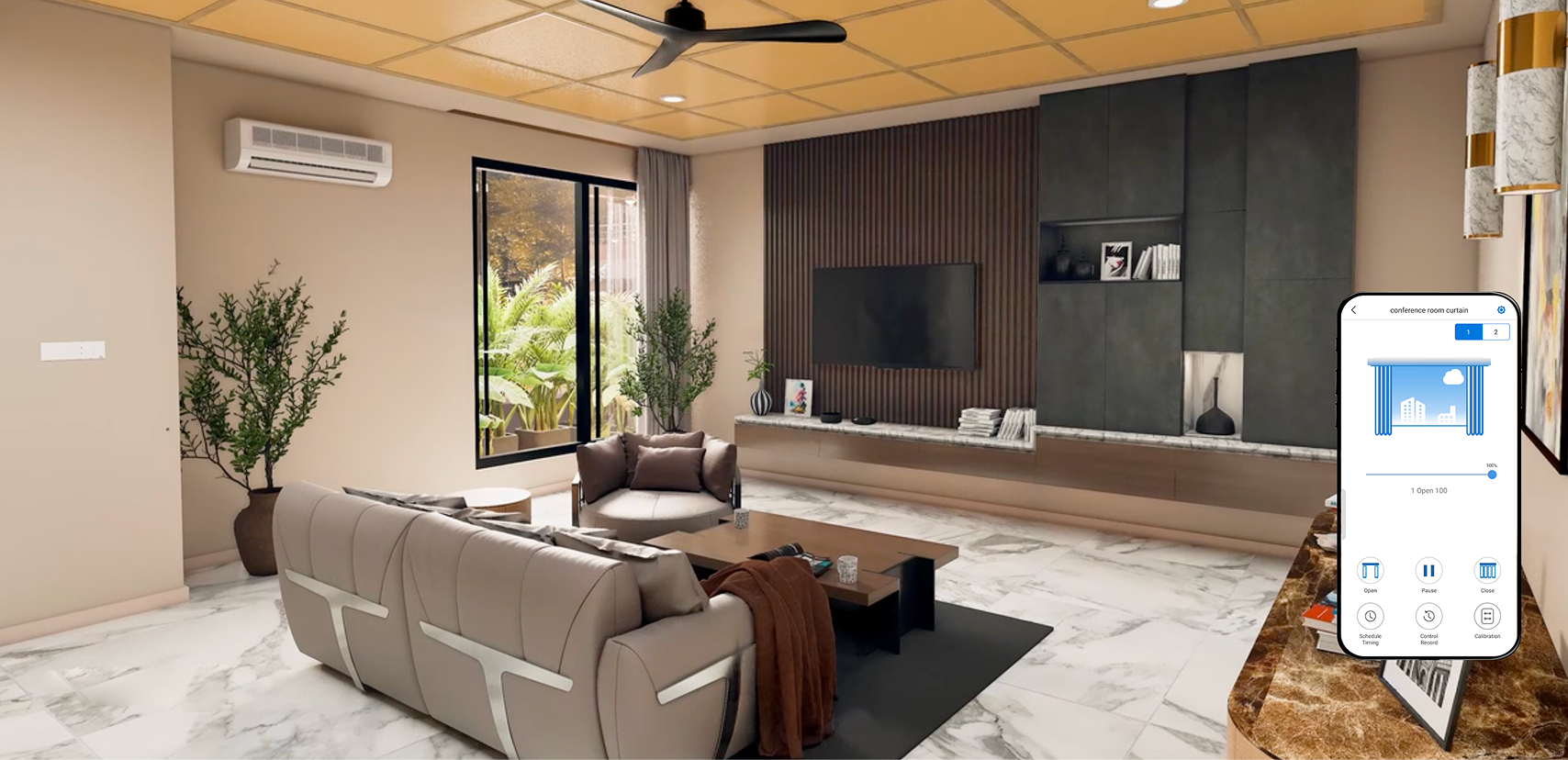
- Wider device integration: IR control and curtain automation allow devices like ACs, TVs, and curtains to be managed within a single system.
What if smart homes are not as complex as you think?
Smart home automation is often misunderstood as expensive, complicated, or meant only for new-age homes. The bigger picture across these insights is simple: smart home technology today is practical, accessible, and designed to solve everyday problems around convenience, energy use, and safety.
- It is easier to use than people assume, with a simple app, manual, and voice-based control through Alexa or Google Assistant, making it accessible for all age groups.
- It can be easily integrated into existing homes through smart switches, modular devices, and retrofit-friendly installation, without the need for major rewiring or renovation.
- It helps optimize energy consumption through scheduling, motion-sensor lighting, appliance monitoring, and reduced standby power, leading to better efficiency and potential cost savings.
- It strengthens safety and reliability with features like overload alerts, secure networks, encryption, regular updates, and privacy controls.
The key takeaway is this: smart homes are not about adding complex gadgets, but about making everyday living more efficient, responsive, secure, and worry-free.
Smart homes sound complicated. The reality might surprise you.
Can your existing home become smart without modifications?
You do not need a new house to build a smart home. A traditional home can be upgraded with the right Wi-Fi, compatible devices, app setup, and basic planning, especially with integrated solutions like Tata Power EZ HOME that simplify installation and control.
- Begin with the basics: Check Wi-Fi coverage, power outlets, and device placement before buying smart products to ensure smooth performance.
- Choose the right setup: Opt for a hub or hub-less system based on how your devices connect, or go for Tata Power EZ HOME for a streamlined, all-in-one ecosystem.
- Start with essential smart devices: Smart lights, thermostats, locks, sensors, cameras, and speakers can enhance comfort, safety, and convenience without major renovation.
- Automate daily routines: Use schedules, rules, and scenes to manage lighting, cooling, security, and appliances with minimal manual effort through a single app interface.
- Think reliability: Prioritize compatibility, firmware updates, overload protection, energy tracking, warranty, and voice assistant support - features that Tata Power EZ HOME is designed to deliver for a safer, more efficient smart home experience.
Old home, new tricks. See how smart it gets.
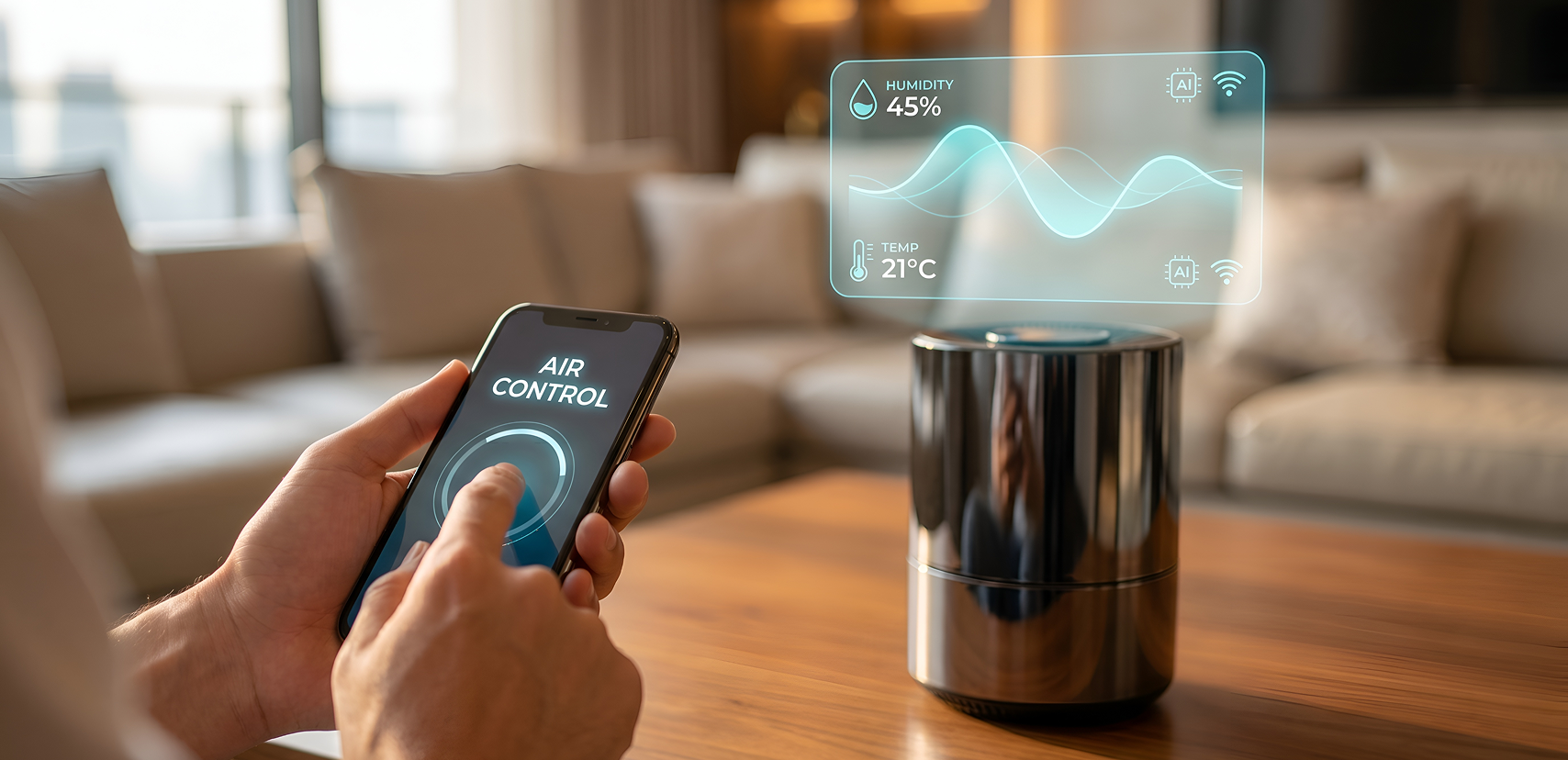
Smart home systems can upgrade homes without major modifications
How can smart home automation make workspaces more sustainable?
Workspaces are no longer just places where people sit and work. They are becoming intelligent environments that can save energy, improve comfort, and support better productivity, whether inside a corporate office or at home.
- Smarter offices - Automated lighting, HVAC systems, and energy monitoring help reduce wastage by adjusting to occupancy, daylight, and real-time usage.
- Sustainable operations - Smart waste management, predictive maintenance, and renewable energy integration help offices lower costs, reduce downtime, and support greener workplace goals.
- Better home offices - Smart lighting, voice assistants, security devices, motorized curtains and ergonomic setups make work-from-home spaces more focused, comfortable and easier to manage.
- One connected idea - Automation helps every workspace respond to people instead of running on fixed habits. With solutions like Tata Power EZ HOME, smarter working becomes more energy-aware, convenient, and built around modern workstyles.
Cut workplace energy waste without compromising comfort. See how!
Can your Airbnb save money for every stay?
An Airbnb should not quietly drain money just because guests forget to switch things off. In a world where convenience often leads to waste, smart automation offers a smarter way forward - helping hosts stay in control, reduce unnecessary expenses, and create a seamless, modern living experience without compromising comfort.
- Lower energy waste: Smart switches, plugs, fan regulators, motion sensors, and automated schedules ensure lights, fans, ACs, and geysers operate only when necessary.
- Easier remote hosting: App-based control, smart locks, and keyless entry help hosts manage check-ins, appliances, and property access without being physically present.
- Better guest experience: Customizable scenes like Arrival and Goodnight adapt lighting, temperature, and appliances to guest routines, creating a personalized stay while quietly keeping energy use in check.
- Safe operations: Overload protection, SOS alerts, and backup power support appliance safety, guest security, and uninterrupted comfort.
- Smarter decisions: Energy insights, usage reports, and regular audits help hosts spot waste, identify high-consumption appliances, optimize schedules and settings, and make informed upgrades that lead to consistent long-term savings.
Make Airbnb hosting feel comfortable, not power-hungry or expensive. Know how!
How EZ HOME builds a smarter Mumbai
Mumbai’s smart home future is not just about better switches. It is about putting energy control, appliance safety, and everyday convenience into one app-led ecosystem. Tata Power EZ HOME makes this practical for city homes by combining smart touch switches, converter switches, sensor-based lighting, and real-time energy analytics.
- App-first control: The EZ HOME app tracks usage at the house, room, and device level, shows visual insights, projects monthly consumption, and sends threshold alerts.
- Easy upgrade: Retrofit switches, 2.4GHz Wi-Fi compatibility, voice assistant integration, and OTA updates make Mumbai homes smarter without complicated rewiring.
- Safer appliances: Overload notifications, preventive maintenance alerts, and intelligent power management protect devices during heavy usage or supply changes.
- Lower wastage: Sensor lighting, adaptive dimming, and usage analytics help cut unnecessary electricity use in homes and common areas, while automated schedules and occupancy-based controls ensure lights and appliances run only when needed, reducing overall energy bills.
What if your control panel became the family remote?
A smart home control panel is where the home stops feeling scattered. Lights, fans, curtains, ACs, geysers, and appliances come together on one sleek interface, so control is no longer split across switches, remotes, and separate apps.
- The wall gets smarter: Tata Power EZ HOME Elixir and Elite glass touch panels bring a sleek, premium finish to your walls while offering intuitive touch-based control, ensuring everyday operations remain simple, responsive, and familiar.
- Your routines get a shortcut: Create personalized schedules to automate daily tasks like dimming lights, adjusting fan speeds, operating curtains, or managing appliances, so your home adapts to your routine without repeated manual effort.
- The app becomes the family remote: The EZ HOME app acts as a central control hub, allowing remote access, multi-user sharing, threshold alerts, and detailed energy tracking across daily, weekly, and monthly usage patterns.
- Appliances get a safety net: With built-in energy metering, overload protection, and optimized current management, your appliances run more efficiently while staying protected from electrical fluctuations.
- Installation stays painless: Enjoy a hassle-free upgrade with professional installation that requires no rewiring or wall damage, backed by reliable support and a 36-month warranty for added peace of mind.
Give your entire home one command center. See how!
Can a rented home become smart without renovation?
Renting should not mean living with outdated switches, wasted power, and limited control. With Tata Power EZ HOME, it becomes easier to choose devices that upgrade daily life without upsetting the landlord or risking the security deposit.
- Easy control, no hassle: Modular touch switches and smart plugs let you control lights and appliances through apps or voice assistants without drilling or rewiring.
- Built for bigger appliances: 16A smart switches are ideal for ACs, geysers, and microwaves, helping you manage usage efficiently while ensuring safety.
- Upgrade your existing devices: IR Blasters allow you to control TVs, ACs, and set-top boxes through your phone or voice, even if they aren’t originally smart.
- Safety that moves with you: SOS panic buttons and built-in protections offer added security and can be easily moved when you relocate.
- Smarter lighting for everyday use: Motion-sensor batten lights automatically turn on when movement is detected and switch off when the space is empty, helping reduce unnecessary energy use.
Make your rental smarter without making it permanent. Explore how!
Can a rented home become smart without renovation?
Smart lighting is the easiest way to make a home feel intelligent without changing the home itself. Instead of replacing everything, homeowners can upgrade existing lights through smart bulbs, switch converters, bulb adapters, or a full automation system.
- Keep the setup familiar: Retain existing fixtures or switches while adding app, voice, and manual control.
- Make lighting follow life: Use schedules, timers, and dimming settings for mornings, movie nights, or bedtime.
- Stop wasting power: LED smart lights, motion triggers, and remote access help reduce unnecessary usage.
- Add safety after sunset: Motion lighting and occupancy simulation make entryways and empty homes feel more secure.
- Scale when ready: Start with one bulb or switch, then connect lights with cameras, thermostats, and other devices.
Still switching lights, the old way? There’s a smarter way.
Can smart lighting really help you cut energy usage and save money?
Motion sensor lights make lighting feel less like something you manage and more like something your home handles for you. By responding automatically to movement, they help reduce wasted electricity, improve visibility, strengthen security, and make everyday movement around the home more effortless.
- Empty rooms stop wasting light: Lights turn on with movement and switch off or dim when no one is present. Tata Power EZ HOME sensor-based lights can dim to 20% when idle and return to full brightness when motion resumes, helping save energy.
- Dark spaces light up instantly: Hallways, staircases, bathrooms, garages, and entryways illuminate as you enter, removing the need to find switches at night.
- Better home security: Outdoor areas like porches and driveways light up on detection, improving visibility and deterring unwanted movement.
- Safer everyday movement: Helps children, elderly family members, and anyone with hands full move safely in low-light areas.
- Less effort, more control: Lights operate only when needed and can integrate with smart home systems for added convenience.
Make everyday lighting effortless, not energy-heavy. Know how!
This spin runs on sunshine
From surprising solar facts to smart energy tips, every spin uncovers a side of the sun you may not have seen before
Bottomline
Smart homes are starting to feel less like a tech flex and more like a natural upgrade to everyday living. It’s about having a little more control, wasting a little less, and creating spaces that quietly adapt to how you live. That’s where the real shift is happening. When app-based control, retrofit-friendly upgrades, energy insights, voice support, and built-in safety features come together, your home begins to feel more intuitive than ever. Whether it’s a workspace, a rental, an Airbnb, or your own place, the idea stays simple: make life smoother without overthinking it. The smartest home isn’t the one packed with gadgets; it’s the one that feels effortless, calm, and ready for whatever your day looks like. Maybe it’s time to see what that could look like for you.

Need the right smart home setup? EZ HOME can help
Frequently asked questions
The frequently asked questions section is a reliable source for unlocking answers to some of the most crucial inquiries. Please refer to this section for any queries you may have.
- FAQ
Yes, smart home automation can be worth it when it solves real daily needs, not just adds novelty. In Tata Power EZ HOME, features such as timer schedules, power-usage tracking, overload protection, and local operation in some products show how automation can improve control, convenience, and energy management. The range is also designed without a central gateway, and some devices fit existing setups without new wiring, which makes adoption feel more practical than complex.
Not always. Some smart home setups still rely on hubs, but hub-less systems are now common for certain device categories. Tata Power states that EZ HOME does not require a central gateway because the mobile app communicates directly with compatible smart switches and devices. At the broader industry level, Matter is designed to improve reliable interoperability across brands, so the right setup depends on your devices, network, and preferred ecosystem.
Compatibility is critical when building a smart home with devices from multiple brands. The reliable approach is to ensure that all devices support a common ecosystem such as Google Home or Alexa. For households that often combine products across lighting, appliances, and security, lack of compatibility can lead to fragmented control, limited automation, and frequent connectivity issues. Checking for certifications like “Works with Alexa” or similar ecosystem badges helps ensure smoother integration, unified control, and a more reliable overall experience.
Tata Power’s official pages show a hands-on support structure. The enquiry page lists a toll-free number, WhatsApp support, and email assistance, and explains a three-step process where expert sales managers help recommend solutions, and the service team supports setup after delivery. Tata Power EZ HOME’s switches and controllers are built with the promise of 36 months of peace of mind. That combination matters when buyers want service, not just products.
Yes, and that is one of the easiest ways to upgrade gradually. Retrofit-able converter switches can sit behind the existing switchboard, so manual control does not suddenly disappear when app control is added. That means the home can keep the familiar on and off behavior people already use, while still gaining remote control, scheduling, and monitoring through the app. It makes smart adoption feel less disruptive from day one.
Yes, but only when the hardware is designed for that load. Dedicated power switch converters can be used for appliances such as ACs and geysers, with remote control, scheduling, consumption monitoring, and overload protection built in. That matters because high-load devices are where convenience, safety, and energy savings often intersect most clearly. It also gives homeowners more control over appliances that usually account for a larger share of electricity use.
Yes, shared control is possible, but it works best when permissions and account setup are handled clearly from the start. EZ HOME supports device sharing for multiple users, and shared-home platforms such as Google Home also let members access linked devices under the same home setup. In practice, this makes the system easier for families because one person does not have to act as the permanent remote control for everyone else.
A smart switch usually upgrades a single point or function. A control panel does more by bringing multiple functions such as dimming, fan speed, curtain control, and appliance operation into one interface. That changes the experience from point-by-point control to room-level control. It also makes routines feel more natural because a single panel can combine convenience, scheduling, and energy visibility, rather than scattering those actions across separate switches and apps.
Start with the basics before advanced automation. Use strong passwords, change default router credentials, keep firmware updated, and review access regularly. Best practices also include changing factory defaults and updating router software. Alongside digital safety, consider physical features like an SOS panic button for emergencies. These steps matter because a smart home is only as secure as its network, devices, and safety systems.
Not always. Some devices are simple enough for self-installation, while others are better handled with electricians or service support, depending on the switchboard, load, and user comfort. With Tata Power EZ HOME, users get guided support from device selection to installation and setup. This helps avoid compatibility issues and ensures correct configuration. The practical approach is to treat installation like any home upgrade, where simple products can be handled quickly, but larger setups benefit from expert guidance.
Yes. Smart homes can reduce electricity bills by cutting everyday wastage, especially from lights, fans, ACs, geysers, and appliances left running unnecessarily. With Tata Power EZ HOME, users can save up to 20% on power bills through real-time tracking, built-in metering, scheduling, and easy control of devices. Actual savings depend on usage habits, tariffs, and appliance efficiency, but the core benefit is simple: smarter control leads to more efficient energy use.
Not always. Smart homes become expensive when you automate everything at once or choose a high-end, fully integrated system. For most homes, the practical route is to start with high-use areas such as lighting, fans, ACs, and geysers, then scale slowly. The real question is not just upfront cost, but whether the upgrade improves control and reduces waste. BEE’s star labelling also helps compare appliance efficiency before buying.
Yes, many old appliances can be automated without replacing them. Tata Power EZ HOME has retrofit smart switch converters that can turn regular switches into smart ones, with app control, voice control, scheduling, and energy monitoring. For remote-based appliances such as ACs, TVs, and set-top boxes, its smart IR blaster can duplicate existing remotes and let users control them through the EZ HOME app or voice assistants. The appliance must still match the device’s load rating.
Smart home systems can be secure, but they are not “set and forget” products. The basics matter: use strong, unique passwords, keep device software updated, and enable multi-factor authentication wherever possible. Tata Power’s smart home guidance also highlights encryption and regular firmware updates for wireless home automation systems. In simple terms, the system is only as safe as the device, the app, and the user’s security habits.
Yes. Smart switches do consume a small amount of electricity because they stay connected and ready for app, Wi-Fi, or voice commands. However, modern smart switches are designed to use minimal standby power. In daily use, the bigger impact is usually positive: scheduling, remote control, and automation can prevent lights, fans, or appliances from running when they are not needed, helping reduce avoidable wastage.
Yes, some smart home functions can work without internet, but it depends on the setup. Basic local control, manual operation, and certain preset actions may continue, while remote access from outside the home and voice assistant features usually need connectivity. The appliances can be operated without internet, with local direct-control modes available in some products. In practice, the internet adds more convenience than basic functionality.
Keep reading...
View all