


 Contact us
| Enterprise category | Investment limit | Annual turnover limit |
|---|---|---|
| Micro | Up to ₹2.5 crore | Up to ₹10 crore |
| Small | Up to ₹25 crore | Up to ₹100 crore |
| Medium | Up to ₹125 crore | Up to ₹500 crore |


Sections
- Introduction
- What is National Small Industry Day?
- How did India’s small industries evolve into today’s MSME ecosystem?
- How big is the impact of India’s MSMEs?
- What makes National Small Industry Day 2026 a turning point for MSMEs?
- How is Tata Power helping MSMEs grow with clean energy?
- Bottomline
- FAQs
- Sources
What is National Small Industries Day?
National Small Industries Day in India is observed every year on August 30 to recognize the contribution of small industries to entrepreneurship, employment, and economic growth. The day puts the spotlight on smaller enterprises and the role they play across India's industrial ecosystem, while reinforcing the importance of creating the right environment for them to start, compete, and grow.
How did India’s small industries evolve into today’s MSME ecosystem?
August 30 holds significance in India's small-industry journey. Government records recognize it as the country's annual Small Industries Day, an occasion to acknowledge the sector's achievements while looking at the challenges ahead.
A few milestones show how the small-industry ecosystem has evolved over the years -
2000 - On August 30, the Government of India announced a comprehensive policy package for the promotion and development of small-scale industries, with measures spanning credit, infrastructure, marketing, and technology upgradation.
2006 - The Micro, Small, and Medium Enterprises Development Act created a wider statutory framework for MSMEs, bringing manufacturing and service enterprises under the concept of an "enterprise" and focusing on their development and competitiveness.
2025 - Revised MSME classification thresholds came into effect on April 1, giving enterprises greater room to expand while continuing to benefit from policy support.
2026 – The Micro, Small, and Medium Enterprises Development (Amendment) Act, 2026, received presidential assent in August, marking another significant step in the evolution of India’s MSME framework. The amendment provides for stronger mechanisms to address delayed payments, time-bound dispute resolution, digital registration, simpler compliance, and measures aimed at making it easier for MSMEs to operate and scale.
This evolution is also reflected in how MSMEs are classified today. Revised thresholds were effective from April 1, 2025, and gave enterprises greater room to expand while continuing to fall within their respective MSME categories.
The definition may have evolved with the needs of Indian enterprise, but the purpose behind National Small Industry Day remains relevant: creating an environment where smaller businesses have the opportunity to become stronger, more competitive, and ready to scale.
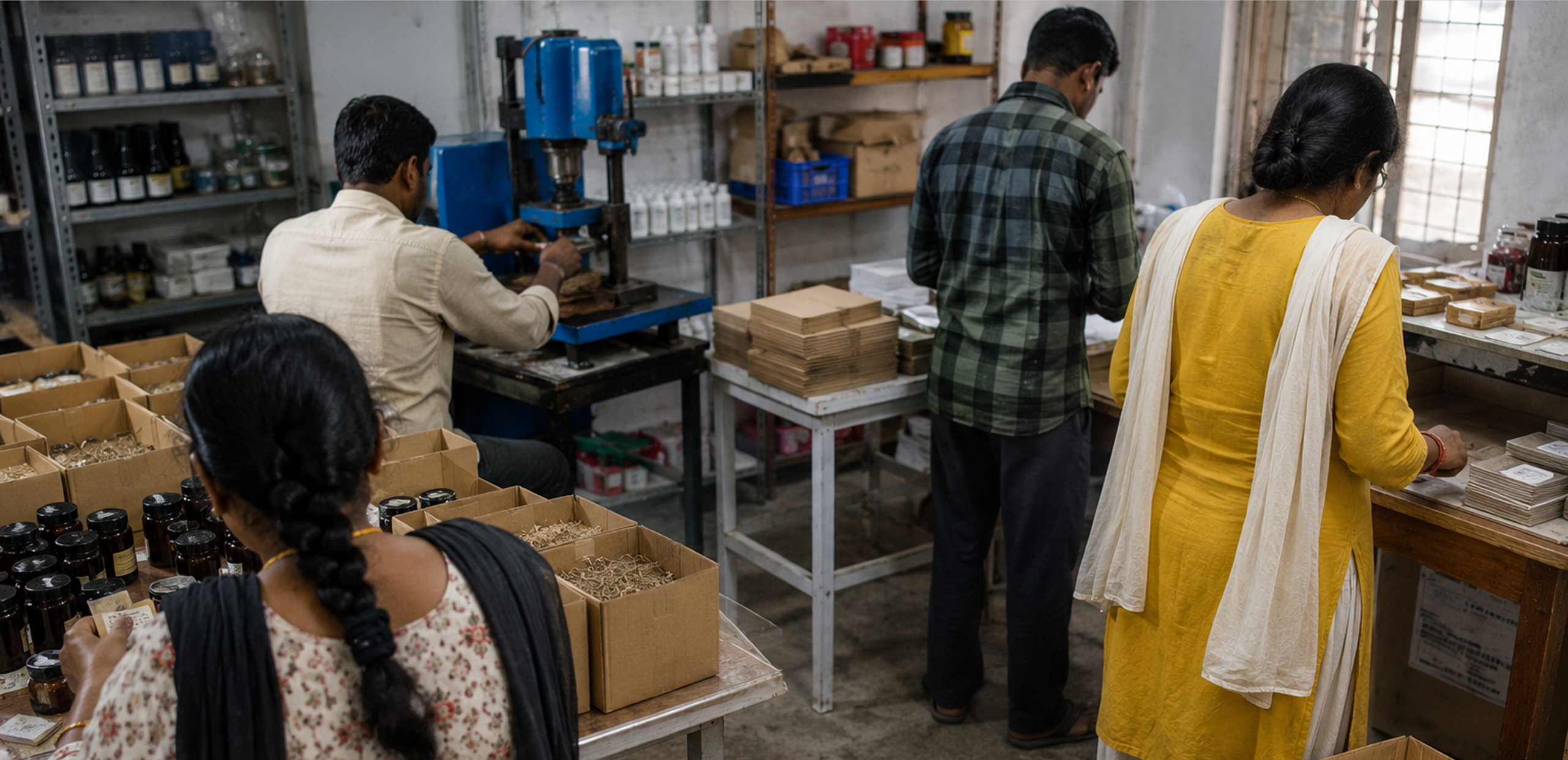
National Small Industry Day recognizes MSMEs strengthening India’s economy
How big is the impact of India’s MSMEs?
The significance of National Small Industry Day becomes clearer when the sector is viewed as part of India's wider economic machinery.
MSMEs are not concentrated in just one kind of business. They include artisans, rural enterprises, manufacturers, service providers, exporters, and businesses embedded within larger supply chains. This spread allows economic activity to travel beyond major industrial centers and creates opportunities across rural, semi-urban, and urban India.
A few numbers put that contribution into perspective -
- 31.1% of India's GDP comes from the MSME sector.
- 35.4% of manufacturing output is contributed by MSMEs.
- 48.58% of India's exports come from the sector.
- 38.9 crore+ people are employed by MSMEs, making the sector India's second-largest source of employment after agriculture.
But the importance of National Small Industry Day extends beyond these headline numbers.
Small enterprises often sit within much larger business ecosystems. They manufacture components, provide specialized services, process materials, support distribution networks, and create local employment. Their ability to become more productive, reliable, and competitive can therefore strengthen the businesses and value chains around them as well.
That is why the conversation around small industries is gradually shifting. The question is no longer only how India can create more enterprises. It is also how those enterprises can become stronger.
What makes National Small Industry Day 2026 a turning point for MSMEs?
For India's small businesses, some of the most relevant changes in 2026 are helping ease long-standing challenges that have traditionally made growth difficult, from delayed payments and limited liquidity to formalization and accessing larger markets.
A few developments stand out -
1. Getting paid faster
TReDS (Trade Receivables Discounting System) is an electronic platform that enables MSMEs to convert approved invoices into working capital through participating financiers. In June 2026, the Government of India mandated its use for the settlement of MSME purchases by all operating Central Public Sector Enterprises. Invoice discounting through TReDS has risen from around ₹40,000 crore in FY2021-22 to ₹3.47 lakh crore in FY2025-26.
2. Extending registration to more MSMEs
Registrations through the Udyam Registration Portal and Udyam Assist Platform crossed 8.7 crore by June 2026. The expanding registered base is improving access to institutional finance, government schemes, and market opportunities for micro and small enterprises.
3. Reaching wider markets
Union Budget 2026-27 introduced a strategy for creating more competitive MSMEs through measures around equity, liquidity, and professional support. It also proposed removing the existing ₹10 lakh per-consignment limit on courier exports, aimed at making cross-border e-commerce easier for small businesses, artisans, and start-ups.
4. Improving access to capital
The credit guarantee ceiling for Micro and Small Enterprises has increased from ₹5 crore to ₹10 crore, expanding the scope for collateral-free credit support. Union Budget 2026-27 has taken the financing conversation further through measures focused on equity, liquidity, and professional support for growing MSMEs.
5. Boosting productivity and efficiency
Programmes such as the MSME Competitive (Lean) Scheme help enterprises improve productivity, reduce process wastage, and strengthen quality and operational efficiency through lean manufacturing practices.
Put together, these developments point towards a larger shift. Growth for small industries is increasingly being linked to formalization, finance, technology, quality, and operating efficiency, rather than scale alone.
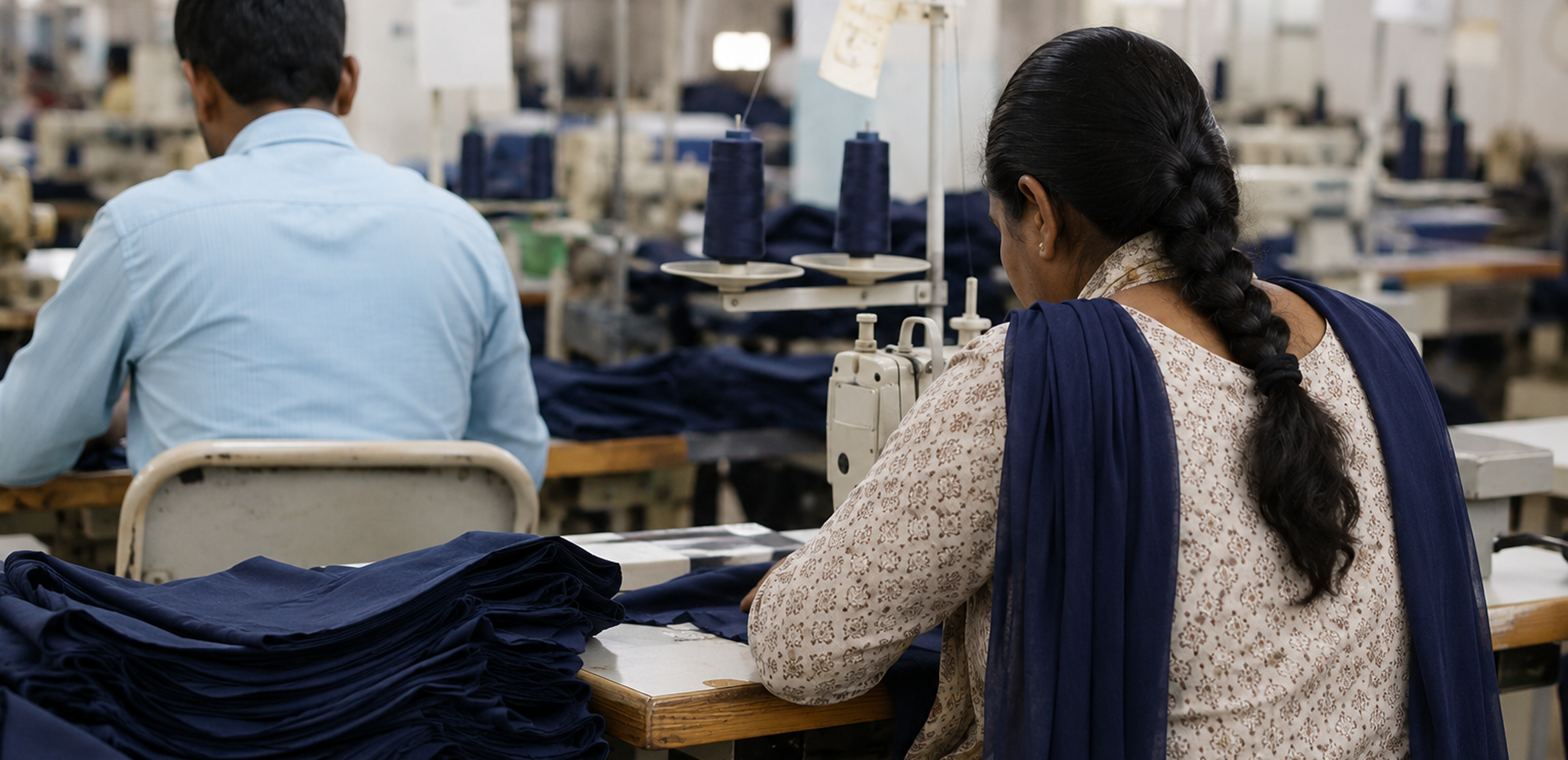
National Small Industry Day reflects reforms unlocking MSME growth
How is Tata Power helping MSMEs grow with clean energy?
Energy is an important part of that conversation, particularly for manufacturing and commercial enterprises where electricity can form a meaningful part of operating costs.
Dr. Praveer Sinha, CEO & MD, Tata Power, has described this connection aptly: “MSMEs are the backbone of India's economy. They operate across industrial segments and are major consumers of electricity.”
The observation gets to the heart of why clean energy adoption matters for this sector. For an MSME, renewable energy is not only about meeting a sustainability ambition. It can also become part of the effort to improve operating efficiency and long-term competitiveness.
Tata Power Solar Systems Limited and SIDBI have previously partnered to make rooftop solar more accessible to MSMEs through financing solutions. The collaboration was designed to help enterprises adopt rooftop solar while addressing one of the practical barriers that can slow clean-energy investment: access to finance. Tata Power positioned the partnership around helping MSMEs become more efficient and globally competitive while progressing towards cleaner operations.
The link is a natural one. Small industries need energy to grow, but how that energy is sourced and managed can increasingly shape the economics of that growth.
As India's small industries look to improve productivity, manage costs, and compete across wider markets, energy will remain an important part of that equation. For MSMEs, cleaner energy can increasingly support not only sustainability goals, but stronger and more efficient business operations.
Ready to unlock your MSME advantage?
Curiosity pays off here. Facts, business tips, and little-known insights are up next
Bottomline
National Small Industry Day 2026 is not just a marker of progress; it is a reminder of how much potential is still waiting to be unlocked. India’s small industries have moved forward with greater formalization, better access to finance, wider markets, and a sharper focus on efficiency, but the real test lies in how boldly they can scale from here.
Because the truth is simple: MSMEs are no longer operating at the margins of the economy - they are becoming its backbone. And the strength of that backbone will decide how resilient, innovative, and inclusive India’s growth story truly is.

Frequently asked questions
The frequently asked questions section is a reliable source for unlocking answers to some of the most crucial inquiries. Please refer to this section for any queries you may have.
- FAQ
National Small Industry Day 2026 brings attention to the role smaller enterprises play in India’s wider growth story, while also reflecting how the ecosystem around them is changing. With policy increasingly focused on access to finance, liquidity, technology, market opportunities, and competitiveness, the occasion goes beyond recognition. It highlights what can help MSMEs build stronger capabilities and participate more effectively in India’s next phase of economic growth.
Yes. Under the public procurement policy for Micro and Small Enterprises, Central Ministries, Departments, and CPSEs have an annual target of sourcing 25% of their procurement from MSEs (Micro and Small Enterprises). Within this, 4% is earmarked for SC/ST-owned enterprises and 3% for women-owned enterprises. The policy is designed to give smaller businesses stronger access to government demand and create a more assured market for eligible suppliers.
MSMEs can improve productivity by upgrading technology, strengthening workforce skills, and using better systems to monitor quality, resource use, and operational performance. Access to technical and advisory support can also help businesses identify gaps before investing in new capacity. For growing enterprises, the focus should be on improving output and consistency without allowing costs or operational complexity to rise at the same pace.
The ZED initiative encourages businesses to improve product quality while reducing waste and environmental impact. Eligible MSMEs can progress through bronze, silver, and gold certification levels based on defined parameters. The programme also provides financial assistance for certification and access to handholding support, helping enterprises strengthen processes, improve resource efficiency, and build capabilities that can support competitiveness with larger customers and supply chains.
MSMEs can use intellectual property tools such as patents, trademarks, copyrights, designs, and geographical indications to protect commercially valuable ideas and identities. The MSME Innovative IPR component provides support around IP filing, advisory services, patentability searches, and commercialization. For a growing business, protecting intellectual property can be particularly important when introducing new products, building a recognizable brand, or preparing to enter larger domestic and international markets.
Yes. The Government e-Marketplace, or GeM, enables registered sellers and service providers to participate in public procurement digitally. The Ministry of MSME actively encourages enterprises to join the platform, and the Udyam registration process includes an option for businesses interested in onboarding to GeM. For smaller enterprises, this can provide another route to discover government demand and participate in procurement opportunities beyond their immediate local market.
The Ministry of MSME's CHAMPIONS portal provides support for grievance resolution as well as guidance on government schemes and policies. MSMEs can also seek advisory assistance across areas such as finance, marketing, technology, infrastructure, raw materials, and capacity building. The platform is designed to connect businesses with relevant government officials, lending institutions, and agencies, making it a useful starting point when an enterprise is unsure where to seek support.
Sources
1. From Enterprise to Empowerment: The MSME Story
2. Small Industry Day 2026: August 30, Check the History, Theme, Significance, and Quotes
3. National Small Industry Day – Byju's
4. Union Budget 2026-27: Building Champion MSMEs for a Global India
5. MSME competitive (LEAN) scheme
6. Government e-marketplace
7. PUBLIC PROCUREMENT POLICY FOR MICRO AND SMALL ENTERPRISES
8. MSME champions
9. MSMEs – Reserve banks of India
10. Faster Payments, Stronger MSME: Government Mandates TReDS for Settlement of All MSME Invoices by Central Public Sector Enterprises
11. CBIC operationalises comprehensive reforms for e-commerce exports and courier trade to enhance ease of doing business from April 1, 2026
Keep reading...
View all