


 Contact us
Walwhan reservoir supports Tata Power’s historic Khopoli hydro system


Introduction
Some infrastructure is measured not only in megawatts, but in generations. Together, Tata Power’s hydro projects across the Sahyadris tell one such story. Long before India’s present clean-energy expansion, they were already putting gravity to work, channeling stored water through turbines to generate electricity for Mumbai and surrounding regions.
That early vision remains highly relevant: as of 31 July 2026, India’s large-hydro capacity stood at 52,064.67 MW, alongside 5,181.76 MW of small hydro. Yet the story of hydro power plants in India is not fully told by capacity alone. It is also written across reservoirs, dams, waterways, and turbine halls. In Maharashtra, that connection between landscape and electricity comes sharply into view through three water systems whose journeys unfold one frame at a time.
The reservoirs behind Tata Power’s hydro power story
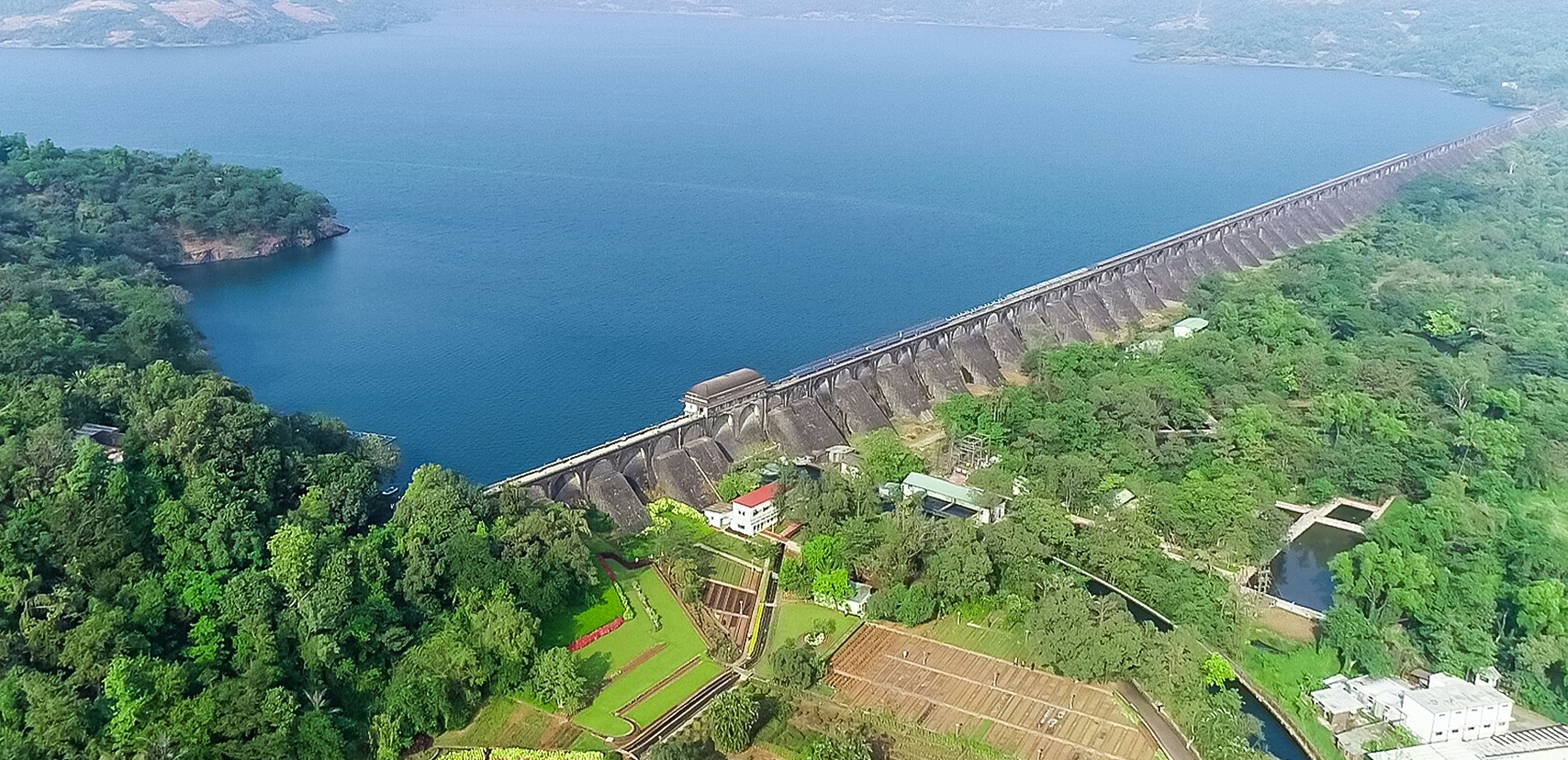
1. Walwan, Shirwata, Kundli - Khopoli Project
| Project details | Information |
|---|---|
| Commissioned | 1915 |
| Location | Maharashtra, India |
| Capacity | 72 MW |
| Water sources | Walwhan, Shirwata, and Kundali |
| Water route | Storage dams, water duct, forebay, and surface penstocks |
The Khopoli story takes us back to the beginning of Tata Power’s hydro journey. Jamsetji Tata had envisioned creating artificial reservoirs high in the Western Ghats and carrying their water through large pipes to generating stations below. Early plans centered on reservoirs at Lonavala, Walwhan, and Shirawata, with water descending towards Khopoli. That vision became reality when the Khopoli plant began generating power in 1915, making it Tata Power’s first power project and one of India’s earliest hydro stations.
Today, Khopoli has an installed capacity of 72 MW. Its surrounding water infrastructure reflects the scale of the hydro system built across the hills: Tata Power records Walwhan reservoir at 72.12 million cubic meters, Shirwata at 197.28 million cubic meters, and Kundali at 6.34 million cubic meters.
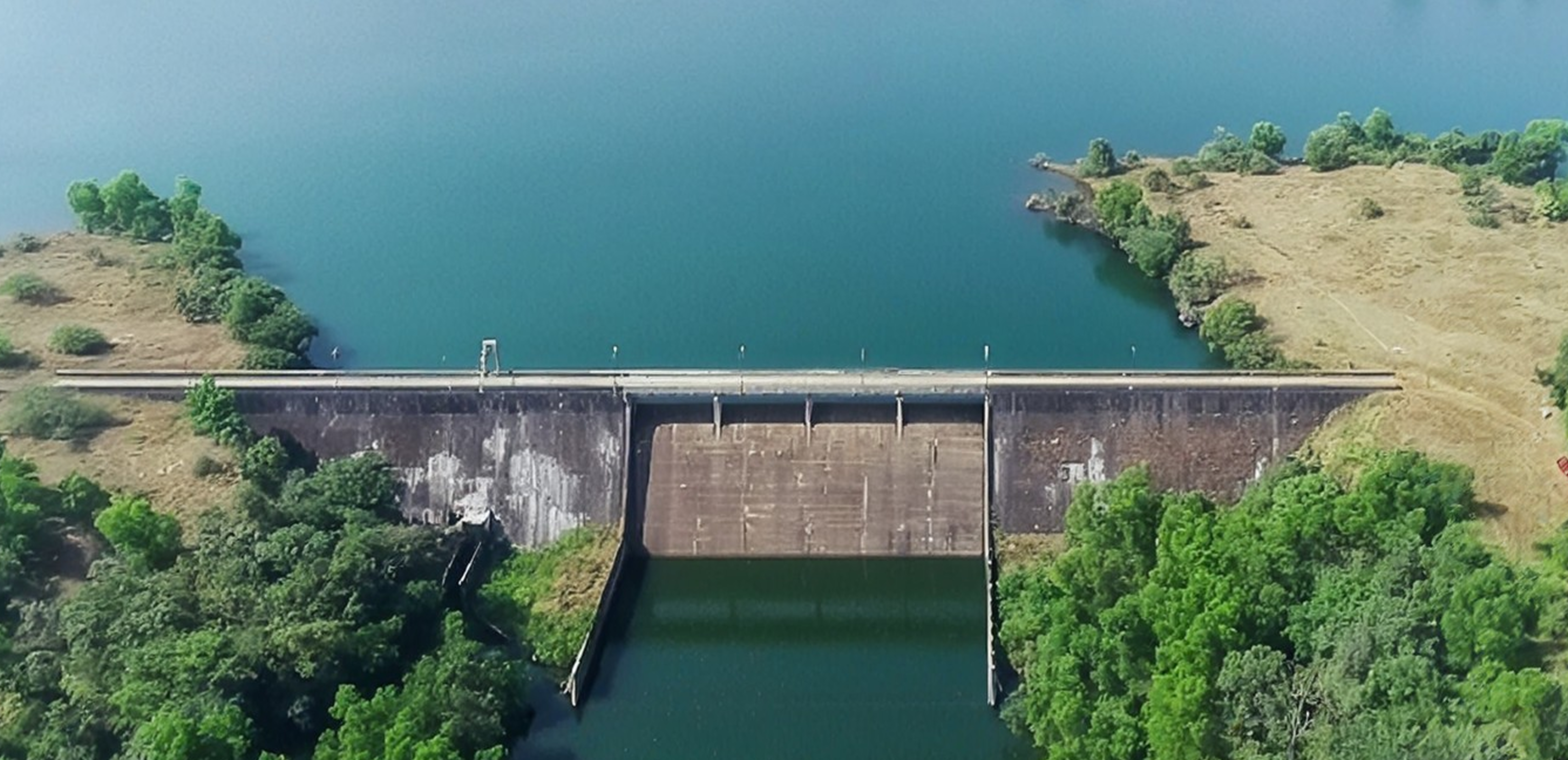
Kundali reservoir adds 6.34 MCM to Tata Power’s hydro network
The landscape is also being prepared for its next chapter. At Shirawata, Tata Power is advancing a proposed 1,800 MW pumped hydro storage project, bringing modern energy storage to the same Western Ghats region where its hydro story began more than a century ago.
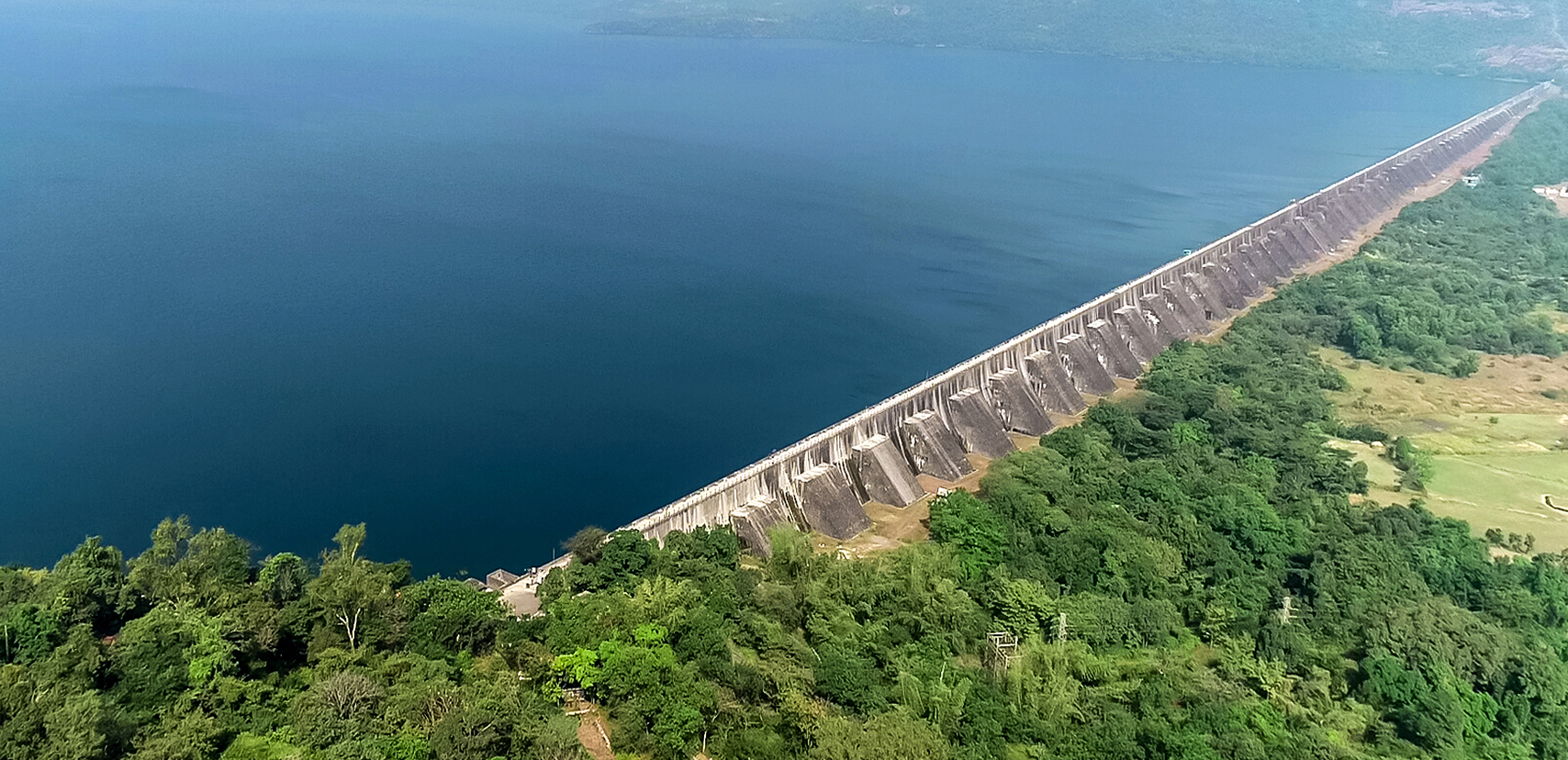
Proposed 1,800 MW pumped hydro storage project at Shirawata
For the Tata Power hydroelectric projects portfolio, Khopoli therefore represents more than history. It connects the original vision of reservoir-based generation with the storage technologies required by tomorrow’s renewable grid.
2. Thokerwadi dam – Bhivpuri project
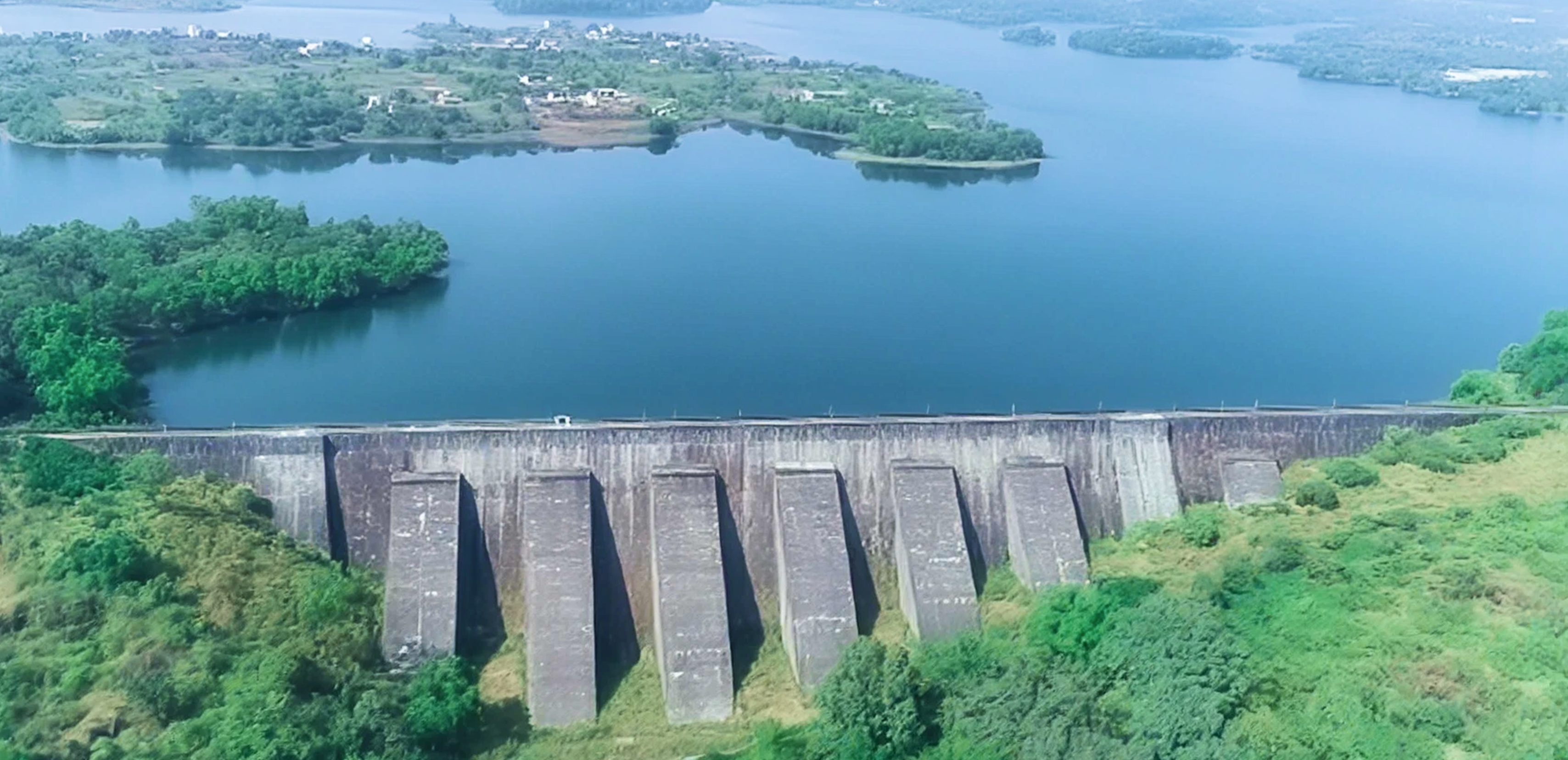
Thokerwadi Dam supports Tata Power’s century-old Bhivpuri hydro plant
| Project details | Information |
|---|---|
| Commissioned | 1922 |
| Location | Maharashtra, India |
| Total capacity | 75 MW |
| Water source | Thokerwadi reservoir (352 MCM) |
| Water route | 3 km tunnel and penstocks |
Set high in the Sahyadris, Thokerwadi Dam marks the beginning of the story of the Bhivpuri hydro project. Its reservoir can hold around 352.64 million cubic meters of water, covering approximately 32 sq km when full, with a catchment spread across 124 sq km. From here, water is channelled downhill to the Bhivpuri generating station in Raigad, using the natural elevation of the Western Ghats to generate electricity.
Commissioned in 1922, Bhivpuri originally operated with six 8 MW generating units, giving it 48 MW of capacity. The plant was subsequently modernized, and today has an installed capacity of 75 MW, comprising a 72 MW main powerhouse and a 3 MW tailrace plant. The station has also played a wider role beyond power generation: water discharged from Bhivpuri feeds the Ulhas River and supports irrigation and water requirements across adjoining areas.
More than 100 years later, Bhivpuri remains one of the enduring Tata Power hydropower plants connecting Maharashtra’s hydro legacy with its evolving power needs.
3. Mulshi dam – Bhira project
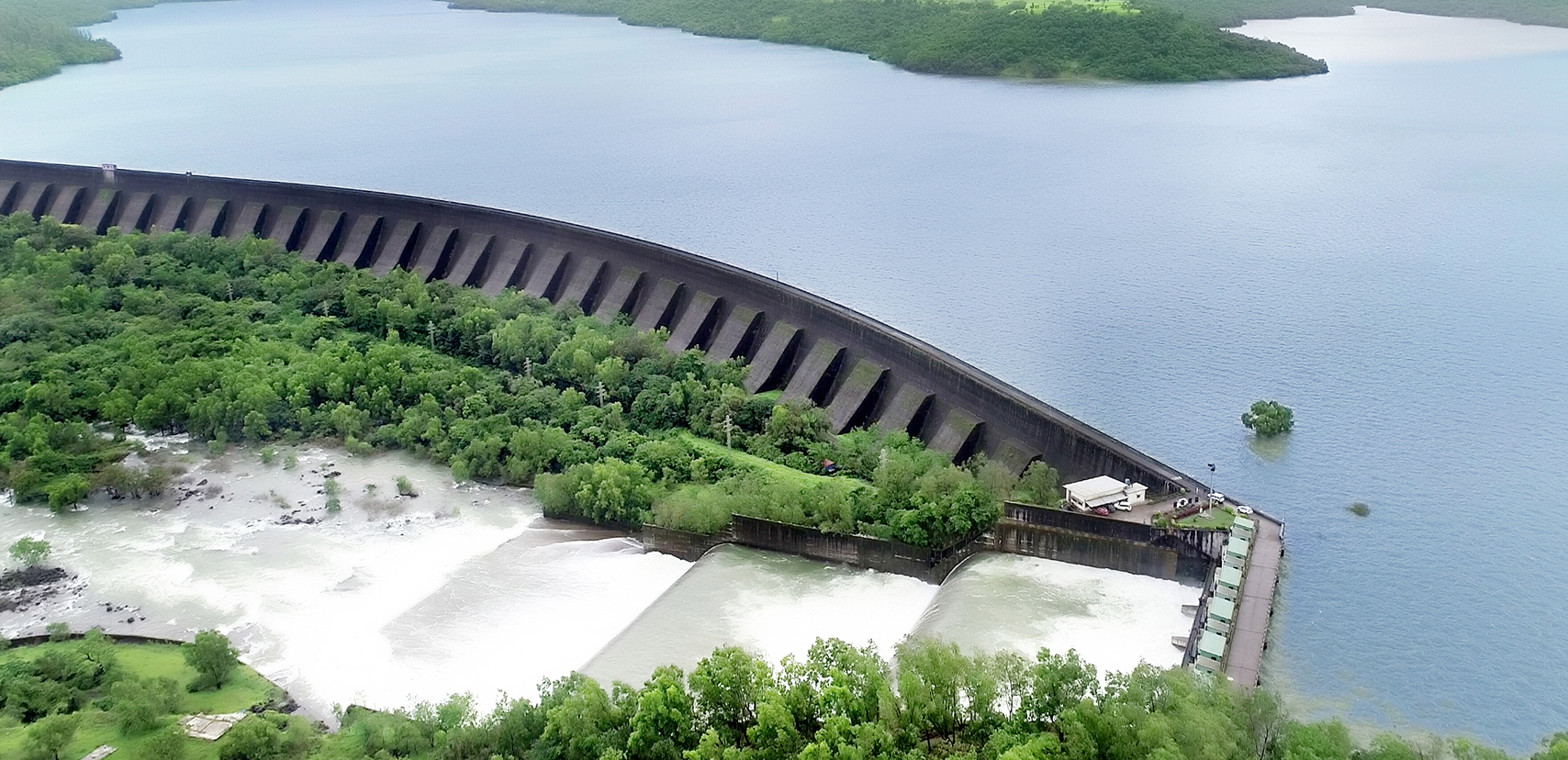
Mulshi reservoir stores water for Tata Power’s Bhira hydro system
| Project details | Information |
|---|---|
| Original station commissioned | 1927 |
| Location | Maharashtra, India |
| Total complex capacity | 300 MW |
| Water source | Mulshi lake |
| Pumped storage capacity | 150 MW |
Spread across the Western Ghats, Mulshi Reservoir provides the water behind Tata Power’s Bhira hydro system. With storage of around 570.76 million cubic metres, it is one of the largest reservoirs in Tata Power’s Maharashtra hydro network. From here, stored water feeds the Bhira generating station, forming the backbone of a hydro system that has been operating for nearly a century.
The Bhira plant was completed in 1927 and today has a nominal maximum output of 300 MW, comprising six 25 MW Pelton turbine units and a 150 MW pumped storage unit. That pumped storage facility added an important new dimension to the project. Commissioned in 1997, Tata Power describes it as Asia’s first pumped hydro storage project, allowing water to be pumped back to a higher reservoir when surplus electricity is available and released again when power is needed.
The reservoir itself has continued to evolve. Tata Power says work at Mulshi raised water levels by one meter, adding 48 million cubic meters of storage and enabling additional hydro generation.
Bhira, therefore, captures both sides of Tata Power’s hydro story: century-old generation and the growing importance of energy storage.
Scratch. Reveal. Learn
A small swipe. A big reveal.
Bottomline
The journey may begin at a reservoir, but its impact flows far beyond the turbine. These images capture more than historic engineering; they reveal how water, landscape, and long-term vision continue to support cleaner, more reliable power. As renewables expand, hydro power plants in India will be valued not only for the electricity they generate, but also for the balance and flexibility they bring to the grid. Tata Power hydro projects demonstrate that legacy infrastructure can evolve with modern needs. Built in another era, they are helping power the one ahead.

Explore clean, reliable hydro energy solutions with our experts
Frequently asked questions
The frequently asked questions section is a reliable source for unlocking answers to some of the most crucial inquiries. Please refer to this section for any queries you may have.
- Solaroof
In Maharashtra, Tata Power operates three long-standing hydroelectric stations: Khopoli, Bhivpuri, and Bhira. Together, these Tata Power hydro plants form a historic 447 MW portfolio in the Western Ghats. Tata Power’s wider hydro portfolio also includes projects beyond Maharashtra, but these three stations remain central to its century-old hydropower legacy in India.
Khopoli is Tata Power’s oldest hydro power project. Commissioned in 1915, the 72 MW Khopoli station marked the beginning of Tata Power’s hydro journey and is among the oldest hydro power plants in India. More than a century later, it continues to represent the company’s pioneering role in developing hydroelectric power in Maharashtra.
A hydro dam and its powerhouse do not always need to stand beside each other. Locating the reservoir at a higher elevation and the powerhouse lower down creates a greater vertical drop, or hydraulic head. Tunnels, ducts, and penstock transport the water between them under pressure. For Tata Power hydro projects in the Sahyadris, this arrangement helps convert the region’s natural elevation difference into useful mechanical and electrical energy.
Hydro power plants in India can respond quickly when electricity demand changes, making them valuable for balancing the grid. This flexibility becomes increasingly important as more solar and wind power is added, since their generation varies with weather and time of day. Hydropower and pumped storage can provide peak support, frequency regulation, and balancing services, helping maintain a more reliable electricity supply as renewable energy capacity grows.
Conventional hydropower generates electricity by releasing stored or flowing water through turbines. Pumped hydro storage adds an energy storage function. When surplus electricity is available, water is pumped from a lower reservoir to a higher one. It can then be released through turbines when demand increases. This allows pumped hydro to work like a large rechargeable energy storage system while also supporting renewable power integration and grid stability.
The Western Ghats combine heavy monsoon rainfall with elevated plateaus, valleys, and steep gradients, creating favorable conditions for storing water at height and using its descent to generate electricity. These geographical characteristics were central to the development of early Tata Power hydroelectric power plants in Maharashtra. Water collected in reservoirs in the hills could be channeled towards generating stations at lower elevations, converting gravitational potential into electrical energy.
Tata Power hydro projects, particularly pumped storage developments, can store surplus electricity and make it available when renewable generation falls or demand increases. This is valuable because solar and wind output naturally vary throughout the day. Tata Power is expanding pumped hydro storage as part of its strategy to improve grid flexibility, provide long-duration energy storage, and enable greater integration of renewable electricity into the power system.
Biodiversity conservation forms part of Tata Power’s environmental work across its hydro locations in the Western Ghats. Initiatives include native-species afforestation, ecosystem restoration, wetland conservation, and the long-running Mahseer conservation programme. The company also operates a Mahseer breeding facility in Walwhan, Lonavala. These programmes extend the role of Tata Power hydropower plants beyond electricity generation to include conservation of the landscapes and ecosystems surrounding hydro operations.
Yes. Floating solar panels can be installed on suitable reservoir surfaces, allowing the same water body to support another form of clean generation without requiring large areas of land. The water can help keep panels cooler, while partial surface coverage may reduce evaporation. When technically and environmentally appropriate, combining floating solar with hydropower can help existing reservoir infrastructure contribute more broadly to a diversified renewable energy system.
Not necessarily. Electricity generation from hydro power plants in India varies with rainfall, water availability, and reservoir levels. India generated around 13,361 million units (MU) of hydropower in June 2026, while large hydro generation rose to approximately 17,700 MU in July 2026. Such month-to-month variations show how changing hydrological conditions can influence output, while reservoir-based projects can manage stored water to support electricity demand when required.
Sources
1. Advancing aspirations to deliver value – Tata Power
2. Hydro energy – Tata Power
Keep reading...
View all