Introduction

India’s textile industry contributes over 2.3% to the country’s GDP and supports more than 45 million jobs, making it one of the largest manufacturing sectors in the country, according to the Press Information Bureau of India. Yet for thousands of textile MSMEs, rising electricity costs and unreliable power supply are quietly becoming one of the biggest threats to operational efficiency and profitability.

Across India’s textile hubs, manufacturers are now looking at rooftop solar not simply as an alternative energy source, but as a smarter business decision. From lowering production costs to improving operational reliability and sustainability readiness, solar is steadily becoming a strategic advantage for textile MSMEs navigating an increasingly competitive market.

Why is energy one of the biggest challenges for textile MSMEs?

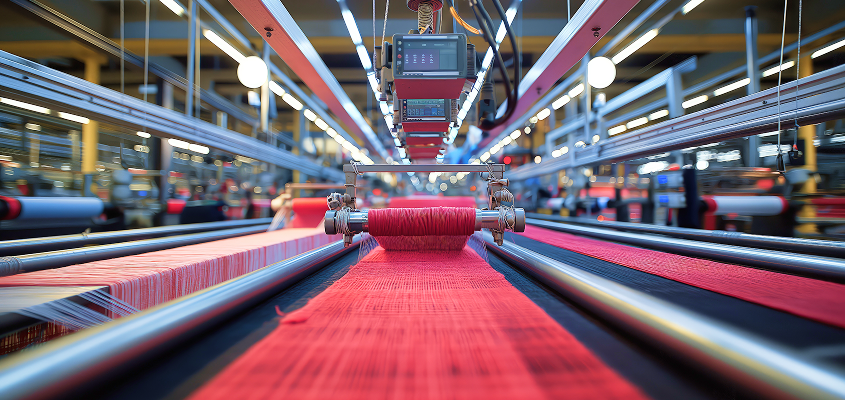
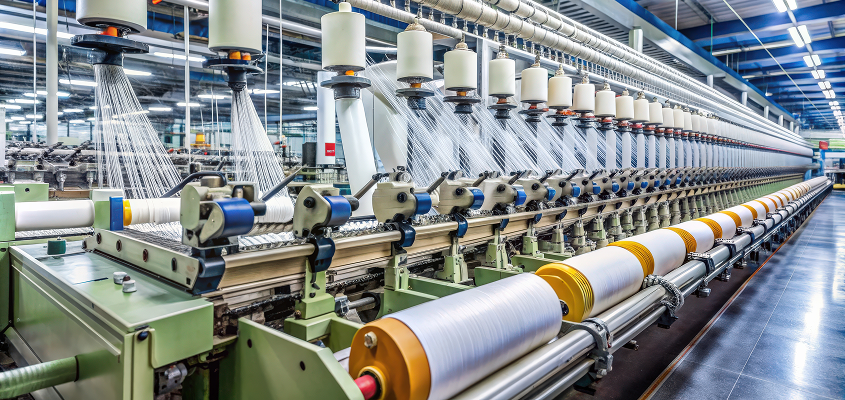
India’s textile industry operates on thin margins, high production volumes, and continuous operations. Across manufacturing hubs such as Tiruppur, Coimbatore, Surat, and Ludhiana, textile MSMEs rely heavily on uninterrupted electricity to run spinning, weaving, dyeing, and finishing processes throughout the year.

As production scales, electricity quickly becomes one of the largest operational expenses. Rising HT tariffs, unexpected outages, and dependency on diesel generators directly impact productivity, machine efficiency, and overall profitability.

For many textile businesses, energy is no longer just a utility expense. It has become a core operational challenge that influences cost per kg of output, delivery timelines, and competitiveness in both domestic and export markets.

Solar power helps textile MSMEs control energy costs

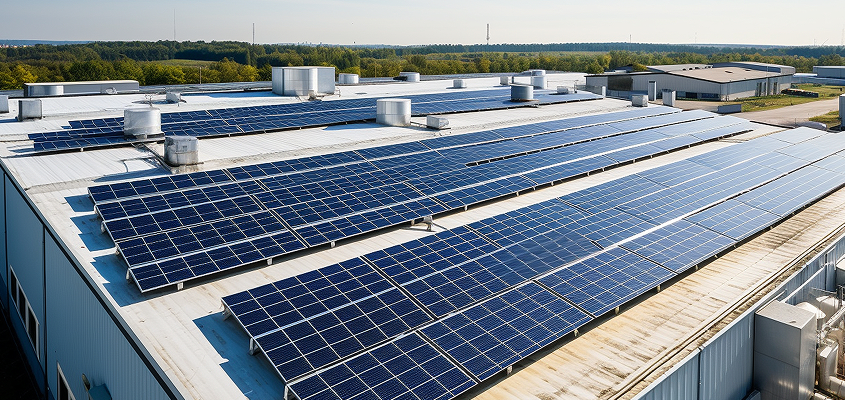
Solar power supports cost-efficient textile manufacturing for MSMEs

Why are textile units naturally suited for solar adoption?

One of the biggest advantages MSMEs in the textile industry have is predictable and consistent energy consumption. Since most textile processes run continuously during the day, solar power can be utilized efficiently without significant wastage.

This makes rooftop solar a practical and financially viable solution for textile operations.

For MSMEs, this translates into -

1.  Reduction in electricity costs by nearly 30% to 70%

2.  Payback periods typically range between 3 to 5 years

3.  Immediate savings from the very first billing cycle

4.  Better protection against future tariff hikes

Unlike industries with fluctuating daytime loads, textile units are able to maximize solar utilization consistently across the year, improving overall return on investment.

Pillar blog integration - To understand how solar energy works, its key benefits, and why businesses across India are rapidly adopting it, explore our detailed guide on solar energy and its growing role in building smarter, more cost-efficient operations.

What challenges do textile MSMEs face while shifting to solar?

While the benefits are substantial, textile businesses also face several practical concerns before adopting rooftop solar.

How can MSMEs manage the upfront investment?

Many textile MSMEs operate with limited working capital and often hesitate to commit to large capital expenditure.

To address this, rooftop solar projects can be supported through flexible financing models and structured EMI options through Tata Power’s financing ecosystem. This helps businesses transition from unpredictable electricity expenses to planned monthly payments that are often aligned with projected savings.

How are complex industrial rooftops handled?

Textile factories often have rooftops with skylights, ventilation systems, and structural limitations that complicate installation planning.

Advanced system engineering using high-efficiency TOPCon and bifacial modules helps optimize generation while ensuring factory ventilation and day-to-day operations remain unaffected.

How is system performance maintained in dusty textile environments?

Textile manufacturing environments are exposed to cotton lint, fiber dust, humidity, and heat, all of which can affect long-term solar performance if not managed properly.

To maintain system efficiency, installations can include -

1.  Anti-soiling solar modules

2. Corrosion-resistant mounting structures

3. Scheduled preventive maintenance

4. Optional robotic cleaning systems

These measures help maintain reliable generation even under demanding industrial conditions.

How can production continue during power interruptions?

Even short power disruptions can interrupt spinning processes, cause yarn breakage, and impact product quality.

Hybrid solar systems integrated with battery storage help maintain an uninterrupted power supply for critical machinery such as compressors, carding machines, and ring frames. This improves operational continuity and reduces dependency on diesel generators during outages.

Hybrid Solar reducing textile industry power disruptions

Hybrid solar helps textile MSMEs avoid operational disruptions

What kind of impact are textile MSMEs already seeing?

Textile businesses that have already adopted rooftop solar are reporting measurable operational and financial improvements.

1. Sanmaan Exports Pvt Ltd is achieving nearly 71% savings on electricity expenses

2. Uma Sai Woven Sacks has reduced power costs by around 44%

3. Usha Spincoat has reported improved production efficiency supported by more reliable power availability

These outcomes highlight how solar is moving beyond being an alternative energy source and becoming an operational advantage for textile manufacturers.

How does solar improve textile operations beyond cost savings?

While reducing electricity expenses remains one of the biggest advantages, the impact of solar extends much further across textile operations. From lowering production costs to improving operational reliability, solar helps textile MSMEs build more stable and efficient manufacturing processes.

1. Lower production costs - Electricity directly impacts the manufacturing cost of yarn and fabric. By reducing grid dependency, solar helps businesses lower long-term production costs and improve margin stability.

2. Improved operational reliability - Reduced dependence on diesel generators and grid fluctuations allows textile units to maintain smoother operations with fewer interruptions during production cycles.

Why is sustainability becoming important for textile exporters?

Export-oriented textile businesses are increasingly expected to comply with global sustainability and ESG benchmarks such as -

1. GOTS

2. Oeko-Tex

3. ZDHC

4. Higg Index

Adopting solar helps strengthen sustainability positioning while improving credibility with global buyers and sourcing partners.

What financial advantages make solar a strong business investment?

For textile MSMEs, rooftop solar offers both operational and financial value over the long term.

Key financial benefits include -

1.  Up to 40% accelerated depreciation under WDV

2.  Reduced taxable income

3.  Long-term savings across a plant life of 25+ years

4.  Greater predictability in energy costs

Few industrial investments simultaneously reduce operational expenses, improve production stability, and deliver tax advantages in the way rooftop solar does.

Solar delivers financial benefits for textile MSMEs

Rooftop solar strengthens textile MSME operations and savings

Why are textile MSMEs choosing Tata Power Solaroof?

For industrial solar projects, execution quality directly impacts long-term returns. System design, installation standards, and after-sales support all play a critical role in ensuring performance consistency.

Tata Power Solaroof brings -

1.  37+ years of EPC expertise

2. 4.3+ GW of rooftop solar installations

3. 700+ channel partners across 400+ cities

4. 225+ service partners for after-sales support

5. End-to-end execution capabilities from design to maintenance

This enables textile MSMEs to adopt solar with greater confidence, operational reliability, and long-term service support. 

Why is rooftop solar becoming a strategic advantage for textile MSMEs?

For textile manufacturers, energy is no longer just an overhead expense. It directly influences production efficiency, operational continuity, and long-term competitiveness.

Rooftop solar addresses some of the industry’s biggest operational concerns simultaneously by -

1. Reducing electricity costs

2. Improving reliability during production

3. Supporting sustainability goals and export readiness

Across India’s textile clusters, more MSMEs are beginning to treat solar not just as an energy solution, but as a long-term business strategy built around cost control, operational stability, and future growth.

Bottomline

Rooftop solar is increasingly helping textile MSMEs address some of their most pressing operational challenges. From reducing electricity costs and improving power reliability to supporting sustainability goals and long-term financial savings, solar is becoming a practical business solution across textile manufacturing hubs.

With consistent daytime energy consumption, textile units are naturally suited for solar adoption, allowing businesses to maximize efficiency and improve return on investment. As manufacturers also navigate rising export sustainability expectations and growing energy expenses, rooftop solar is steadily emerging as a strategic investment that supports operational stability, competitiveness, and long-term business growth.

Help your MSME reduce energy costs with Tata Power Solar

Frequently asked questions

The frequently asked questions section is a reliable source for unlocking answers to some of the most crucial inquiries. Please refer to this section for any queries you may have.


Textile factories are naturally suited for rooftop solar because most manufacturing operations run continuously during daylight hours. Processes such as spinning, weaving, dyeing, and finishing require steady electricity consumption throughout the day, which aligns well with solar power generation patterns. Large factory rooftops also provide sufficient installation space for solar modules. Since energy demand remains relatively predictable across textile operations, businesses are often able to maximize solar utilization efficiently and reduce dependence on grid electricity during peak production hours


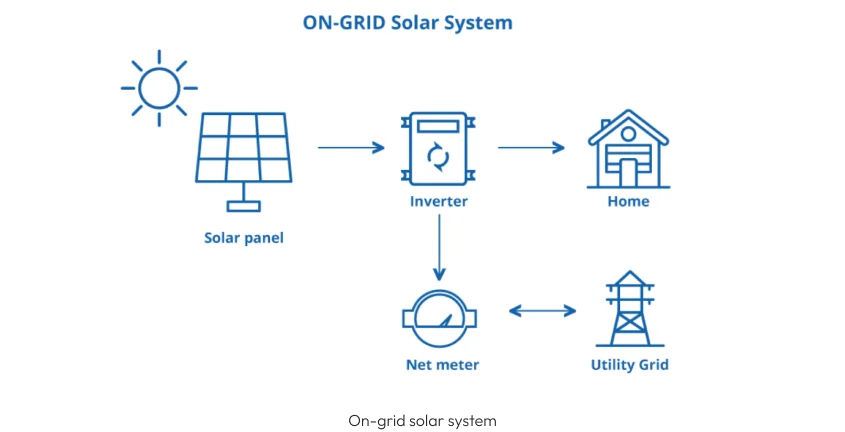
While direct subsidies for large commercial rooftop solar projects are limited compared to residential installations, businesses in India can still access several financial benefits. One of the most important advantages is accelerated depreciation under the Income Tax Act, which allows companies to reduce taxable income by claiming higher depreciation on solar assets. In addition, some states offer net metering benefits that allow businesses to offset electricity consumption using surplus solar generation. Financing support and structured solar loan options are also helping MSMEs adopt rooftop solar more easily


Beyond reducing electricity costs, rooftop solar can improve operational reliability and long-term business stability for textile MSMEs. Stable power availability helps reduce production interruptions caused by grid fluctuations and outages, which is especially important for continuous manufacturing processes. Businesses also gain better predictability in long-term energy expenses, helping improve cost planning and margin stability. In many cases, solar adoption supports smoother factory operations, lowers reliance on backup power sources, and strengthens overall manufacturing efficiency across textile facilities


Global buyers and sourcing partners are increasingly evaluating textile suppliers based on sustainability and ESG performance. Many export-oriented textile businesses are now expected to align with standards such as GOTS, Oeko-Tex, ZDHC, and the Higg Index. Rooftop solar helps manufacturers reduce dependence on conventional energy sources and lower their overall carbon footprint. This strengthens sustainability positioning while improving credibility with international buyers that prioritize responsible sourcing and environmentally conscious manufacturing practices across supply chains


The most common challenges include upfront investment concerns, financing access, rooftop design limitations, and awareness around solar business models. Many MSMEs also worry about installation disruptions and long-term maintenance in industrial environments exposed to dust and heat. However, flexible financing options, structured repayment models, and advancements in solar engineering are helping businesses overcome these barriers. Improved awareness and wider availability of industrial solar solutions are also making adoption easier for textile manufacturers across India


Yes, several financing models are now available to help MSMEs adopt rooftop solar without heavy upfront capital expenditure. Businesses can access structured solar loans, EMI-based repayment plans, and third-party financing models designed specifically for commercial and industrial solar projects. In many cases, repayment structures are aligned with projected electricity savings, helping businesses manage cash flow more efficiently. Financial institutions and energy companies are increasingly expanding solar financing support for India’s MSME sector

Sources

1. Solar Overview - MNRE

2. The rooftop solar commercial & industrial market in India

3. Solar Energy Solutions for Indian MSMEs: Benefits and Success Stories

4. SCALING UP ROOFTOP SOLAR IN THE MSME SECTOR IN INDIA

5. Handbook: Rooftop Solar for Rural MSMEs in India

6. Axis Bank launches Rooftop Solar Finance for MSMEs