


 Contact us
Floating solar installations highlight modern advantages of solar energy, including efficient surface use and higher panel performance


Introduction
Did you know India receives sunlight equivalent to over 5000 trillion kWh of energy in one year? This free energy is not only enough to power the entire country, but is also non-polluting, low maintenance, and saves money. Yet, we’re barely utilizing the true advantages of solar energy today.
You might think that every second roof has a solar panel, so is there a gap at all? Yes, indeed. From sustainability to employment, solar energy is an abundant resource that offers us unparalleled opportunities of growth in every corner of the country. But this solar revolution will start only when the benefits of solar energy are understood properly. So, before you question whether solar energy is worth a shot or not, let’s get you acquainted to the many advantages it offers.
What are the advantages of solar energy in India?
From business leaders and environmentalists to governments across the country, everyone is talking about the advantages of solar energy, especially in India. And for all the right reasons. Solar energy is inexhaustible and renewable, helps boost property value, gains green credits for businesses, and offers electricity almost free of cost.
Here are some major advantages of solar energy you can’t miss:
1. Renewable and abundant
One of the biggest advantages of solar energy is that it is a renewable resource. Since sun is an inexhaustible source of power, we can receive solar energy for centuries to come. Unlike coal, gas, or fossil fuels which take years to produce and are prone to getting exhausted in the near future, solar energy can be the ultimate solution for India’s growing energy needs.
Not only is solar energy renewable, it is also fairly abundant. As per the Energy Efficiency & Renewable Energy Management Centre, India has about 300-330 sunny days, meaning there is enough to power homes, businesses, organizations, and institutions year-round.
2. No harmful emissions
Every unit of energy generated from conventional sources releases harmful gases like carbon dioxide and other greenhouse gases. Solar energy, on the other hand, causes no such emissions, and is a completely safe mode of power for humans, animals, and nature. Solar use prevents the air quality from deteriorating and offsets tons of carbon emissions to support healthier communities.
3. Helps conserve water
Traditional power generation in thermal power plants requires large amounts of water to keep the machines cool. This high temperature water is discharged back into neighboring water bodies, disturbing the natural fauna and flora, and causing pollution.
Solar energy generation requires no water. This becomes an important solar energy advantage because India, like the rest of the world, faces acute water shortage. Solar energy is therefore an environmentally responsible choice for rural as well as urban installations.
4. Reduced load on fossil fuels and energy systems
When homes and businesses generate their own electricity via rooftop solar systems, it lowers grid demand. This ensures that the national grid becomes more stable and resilient.
Reduced reliance on conventional energy further lessens the impact on thermal power systems.
5. Long-term savings
The most popular of the advantages of solar energy has to be reduced electricity bills and long-term savings. When you install a solar setup, you generate your own electricity. This means no more worrying about ACs and heaters stacking up your bills year-round.
When electricity is free each month, savings can be substantial. Moreover, having solar energy at your home can make you immune to tariff hikes or price fluctuations. For businesses, solar energy use can significantly reduce operating expenses.
For instance, this family-owned business in Gujarat is now saving almost ₹48 lakhs every year with the simple switch to solar. Witness their solar success story in action:
If the initial installation costs make you hesitant, it’s worth noting that most solar setups recover their costs in just a matter of 4-6 years.
6. Energy independence
By generating electricity on your own, you not only enjoy energy independence, but also become immune to load shedding, power shortages, and fluctuations during demand surge.
Worried about non-peak hours when the sun isn’t out? Solar panel systems now come equipped with battery storage systems that store excess energy for later use.
7. Low maintenance costs and minimal upkeep
If you’re worried about maintaining a huge solar setup, consider this: solar panels are very low maintenance. With regular cleaning and periodic inspections, you can keep them up and running for up to 30 years.
For a smooth journey, a lot of residential users turn to AMCs from trusted providers, while businesses utilize specialized operations and maintenance (O&M) services for regular upkeep.
Tata Power, for instance, offers end-to-end solar O&M services that include preventive maintenance, performance monitoring, and expert technical support, helping customers maximize energy output and extend the life of their solar systems.
8. Noise-free power generation
One of the lesser-known advantages of solar panels is that they don’t produce any noise during operation. Silent operation improves comfort at home and creates a better working environment in commercial spaces. It also makes solar a great option for locations where noise restrictions apply or where peace and quiet are important.
Diesel generators and thermal power plants, by contrast, create a lot of unnecessary sound, making them unfit for use in schools, hospitals, residential areas, etc.
9. Accessible even in remote areas
Did you know, solar energy can reach areas even conventional energy can’t? When traditional grids and wires can prove expensive, even inaccessible, to hilly areas, remote villages, and islands, solar energy becomes the solution. Rooftop systems, solar mini-grids, and hybrid installations become useful for lighting up homes, schools, hospitals and dispensaries, farms, and small businesses.
Different solar setups include:

Rooftop systems

Solar mini-grids

Hybrid instalations
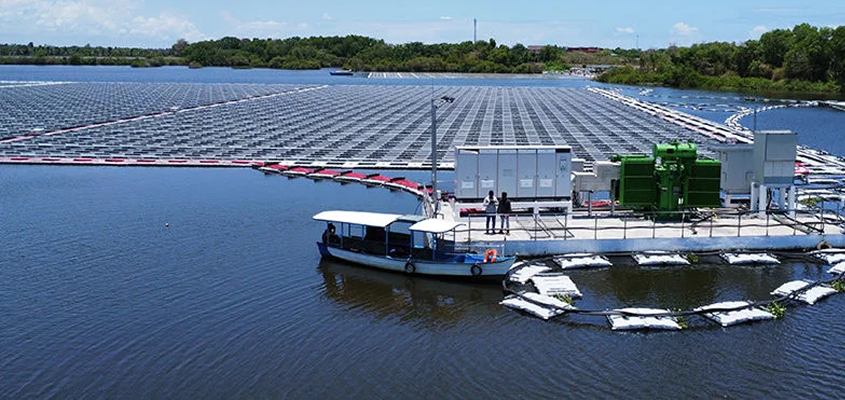
Developed by Tata Power, Kayamkulam, Kerala’s floating solar plant sits on a water body, and supplies electricity to the Kerala State Electricity Board (KSEB). This 101.6 MW plant offsets over 64,000 tons of carbon emissions every year while making efficient use of 350 acres of previously unutilized space. Curious to know more about this record-breaking project? Learn more
10. Flexible for every need
If you think solar energy is just about setting up rows of solar panels on big roof spaces, think again. Solar energy offers a wide range of applications that can be customized and altered for every need. From large-scale solar power plants for industries to compact solar systems for MSMEs, solar is built for all. Looking for a small setup at home? 1-3 kW systems can be easily installed on balconies and windows to power your apartment smoothly.
Tata Power is using advanced solar technology to come up with flexible solar solutions that fit different spaces, budgets, and energy needs: limited spaces like villas, schools, and residential societies can utilize solar trees, and solar carports offer dual benefits in offices. While farmers can enjoy the ground-mounted solar panels for agrivoltaics, battery-based solar systems ensure that you always have energy backup.
Now that you’ve seen what’s possible, the next step is bringing solar into your own space.

11. Scalable for your growing needs
Most solar solutions are modular by design, meaning they are easy to upsize when your energy demand grows. Imagine you start with a small setup for your home, just to power basic appliances. Overtime, you might add a water heater, an air conditioner, or even an electric vehicle.
Similarly for businesses, one might need energy for limited operations early on. But as business grows and energy demands skyrocket, you will need a bigger system. Thanks to the scalability of solar, you don’t have to switch up your old system. You can simply get in touch with your solar provider to expand capacity in phases, keeping costs manageable and ensuring an interrupted supply.
12. Trade and earn credits
When it comes to businesses, one of the most financially rewarding advantages of solar energy is earning Renewable Energy Certificates. For every 1 MWh of clean energy, you can earn one REC. Companies and utilities require RECs to meet their renewable energy obligations. So not only are you environmentally compliant, you can also sell the extra RECs.
13. Generates employment and strengthens communities
Solar energy isn’t just about clean energy, it is also a catalyst of growth. From solar panels in apartments to large-scale utility projects, every new solar project creates employment. From manufacturing and transporting modules, to installing and monitoring the system, each step involves professional support from skilled and semi-skilled workers. In remote or rural areas with dearth of opportunities, one project can stir economic activity for many.
Additionally, when electricity reaches a remote region, people gain access to education, healthcare, and improved living standards. Solar energy use then contributes to community development, improves infrastructure, and enhances the overall quality of life.
Solar energy offers an array of environmental, financial, and social benefits. It helps reduce carbon emissions, conserve resources, lower electricity bills, and bring reliable power to homes, businesses, and communities. Its flexibility, scalability, and low maintenance make it a practical solution for all, while also supporting local employment and contributing to a sustainable future. With solar, every step toward clean energy creates a positive impact for your energy needs, your wallet, and the planet.
Word Guess
YOUR CLUE
LEARN MORE
How to maximize the benefits of solar energy?
Now that you’re on board with the idea of going solar, the most important question pops up: how to avail the advantages of solar energy the right way? The simple answer is find the right solar partner for your journey. Choosing an experienced solar provider ensures that you not only find the best system for your home or business, but also that it functions at peak efficiency without needing too much maintenance and upkeep.
This is where Tata Power comes in. A leading player in the renewable energy market, Tata Power brings decades of experience and expertise to the table. From consultation and installation to maintenance and monitoring, Tata Power stays with you to ensure you get the maximum benefits of your solar setup.

Step into the world of solar energy with Tata Power's end-to-end guide
Bottomline
As the wave of solar energy grows, solar solutions become more affordable and accessible for everyone. Green, affordable power is no longer a distant reality, it is the practical choice for smarter future. If you decide to go solar, choosing the right partner can ensure you enjoy the end-to-end advantages of solar energy like bigger savings, reliable performance, and long-term peace of mind.
Frequently asked questions
The frequently asked questions section is a reliable source for unlocking answers to some of the most crucial inquiries. Please refer to this section for any queries you may have.
- FAQ
Solar energy is used in homes, industries, agriculture, transport, and public infrastructure. It powers residential appliances through rooftop systems, supplies electricity to offices and factories, heats water through solar heaters, and lights streets and highways with solar street lights. Farmers use solar pumps for irrigation, while remote villages rely on solar systems for electrification. Solar energy also supports EV charging, portable devices, water purification systems, and large utility-scale power plants that supply electricity to cities. These wide applications clearly show the real benefits of solar energy, making it one of the most practical clean energy solutions today.
The biggest drawback of solar energy is the high upfront installation cost, although long-term savings usually offset it. Solar panels depend on sunlight, so power output drops during cloudy weather or at night unless battery storage is added. Systems require adequate rooftop or land space, occasional cleaning, and proper planning if shading is present. Battery storage adds cost, and solar panel recycling is still developing in many regions. Despite these concerns, the long-term solar energy advantages, like lower electricity bills and environmental protection, greatly outweigh the disadvantages.
Yes, solar energy is very suitable for Indian weather conditions because India receives abundant sunlight throughout the year. Most parts of the country get around 4–7 kWh of solar radiation per square meter daily and enjoy 300 or more sunny days annually. Solar panels continue generating electricity even during winters and monsoons, though output may be lower.
Solar energy benefits the environment by cutting carbon emissions and reducing air pollution. Unlike fossil fuel power, solar panels generate electricity without burning fuel, which lowers greenhouse gases and improves air quality. Solar systems also use far less water than conventional power plants, helping conserve resources. These environmental gains are among the biggest advantages of solar energy and key solar power benefits for a cleaner, healthier future.
Sources
1. 7 Reasons to Use Solar Power
2. Advantages and Disadvantages of Solar Energy
3. Advantages of Solar Energy
4. Solar Energy Pros and Cons
5. Top 8 Reasons Why Solar Panels Are Beneficial
6. Benefits of Residential Solar Electricity
7. Solar Energy Overview (EEREM Delhi)
8. MNRE Policies and Guidelines on Solar
Keep reading...
View all