
Introduction

Did you know, nearly 24 lakh households have opted for the PM Surya Ghar scheme for solar panel installation? Together, these homes make up 7 GW of clean energy in India! Imagine that sort of massive energy contribution coming from residences alone. So is the power of solar panels. Clean, simple, and reliable, solar panels are fast taking over rooftops and buildings all over the country. They’re not just helping people save big, but also contributing to keeping the environment safe.

Still, solar panels confuse many. If you have questions about how solar panels work, how to maintain them, or simply how to find the best subsidy in India, here is everything you need to know. 

What is a solar panel?

A solar panel is a device that converts sunlight into electricity. Composed of photovoltaic (PV) cells, solar panels generate power through a simple chemical reaction. Solar panels can be installed on rooftops, open grounds, or building structures that receive optimum sun exposure.

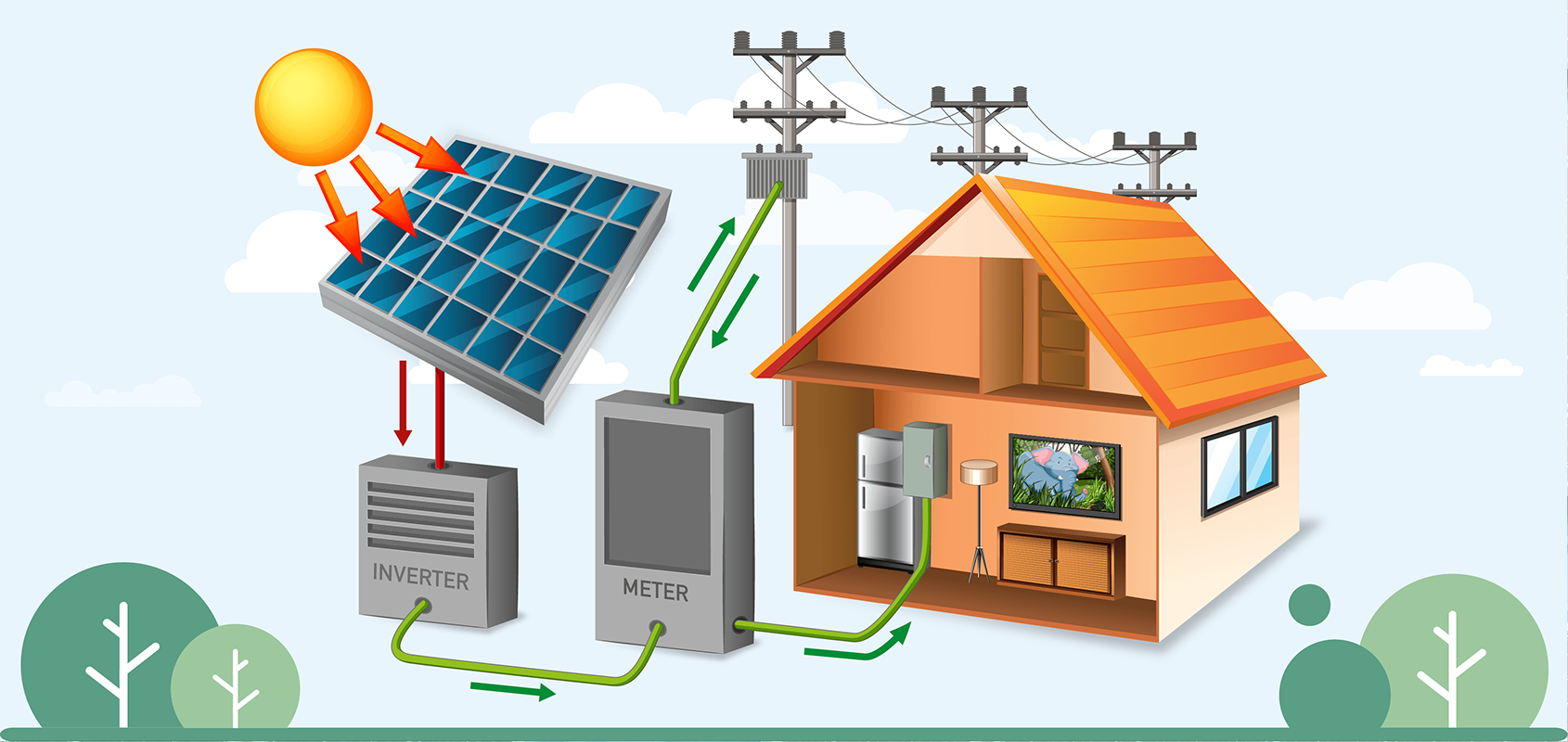
Solar rooftop system powering home with inverter and meter

A visual breakdown of how solar panels work, converting sunlight into electricity
How do solar panels work?

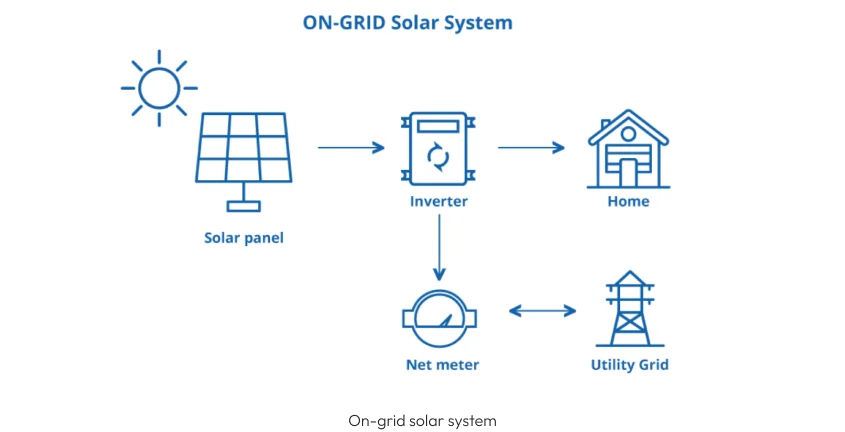
Solar panels work by converting sunlight into electricity through the use of photovoltaic cells. When the light hits the panel surface, free electrons start flowing and a direct current (DC) is created. This DC power is sent to an inverter, which then converts it to alternating current (AC), making it ideal for use in everyday appliances. The excess electricity is then exported to the grid for credits, or stored in rechargeable batteries for use when the sun isn’t out. 

What are the advantages of solar panels?

From industries to institutes, and everything in between, solar panels are changing the energy game for lakhs in India. From reducing your carbon footprint to helping you make your buildings functionally aesthetic, the benefits of solar panels are many. But there is more to solar panels than just that. Solar panels have several advantages like:


  • Help in reducing your carbon footprint
  • Lower electricity bills
  • Offer independence from the grid
  • Make your energy future more secure with smart, scalable solutions
  • Can be installed in open spaces in your home or business, ensuring no space wastage
  • Contemporary solar panels can also be integrated into your building design
  • In certain cases, they can help increase property-value over time
  • With the right solar panel design and maintenance, a lot of users also enjoy earning credits by selling their surplus electricity to local DISCOMS. 

Word Guess

YOUR CLUE
LEARN MORE

Do solar panels only work on the roof?

No, solar panels don’t only work on roofs. You can also install solar panels on open land, building facades, carports, agricultural fields, and even balconies. Any spot that receives sufficient sunlight and has enough space for panel installation can have solar panels.

This adaptability of solar panels on different surfaces makes them suitable for everything, from single homes to apartments, commercial buildings, and communities. Yet, if you’re looking for the option that gives you maximum output, rooftop panels are the best choice. 

Solar roof tiles vs solar panels

Many people confuse solar roof tiles with solar panels, but they both answer different needs. While both produce clean energy for you, solar panels are installed on existing roofs and solar roof tiles meld into the design of the building without needing conventional roofing materials.

Generally, solar panels are more practical, have higher efficiency, faster installation, and lower cost. Solar roof tiles on the other hand offer a more aesthetic option for modern homes, and are therefore greatly in demand.

Confused about which one to choose? Here is a deep-dive into understanding the difference between the two. See more!

Can solar panels be used for apartments?

Yes, solar panels can be used for apartments. For apartment use, the solar panels are usually installed on shared rooftop spaces and are used to power the entire facility, and not just individual homes. In some cases, the electricity is shared among several flats through a common meter or net metering arrangement, depending on local regulations. Since such solar setups are installed on a bigger scale, the resident’s welfare associations play a major role in deciding the system design as well as obtaining approvals. With the right system size and design in place, residents can save big while supporting clean energy use.

Thinking about going solar in your apartment? See how solar panels can work wonders for you.

Can solar panels be installed on balconies?

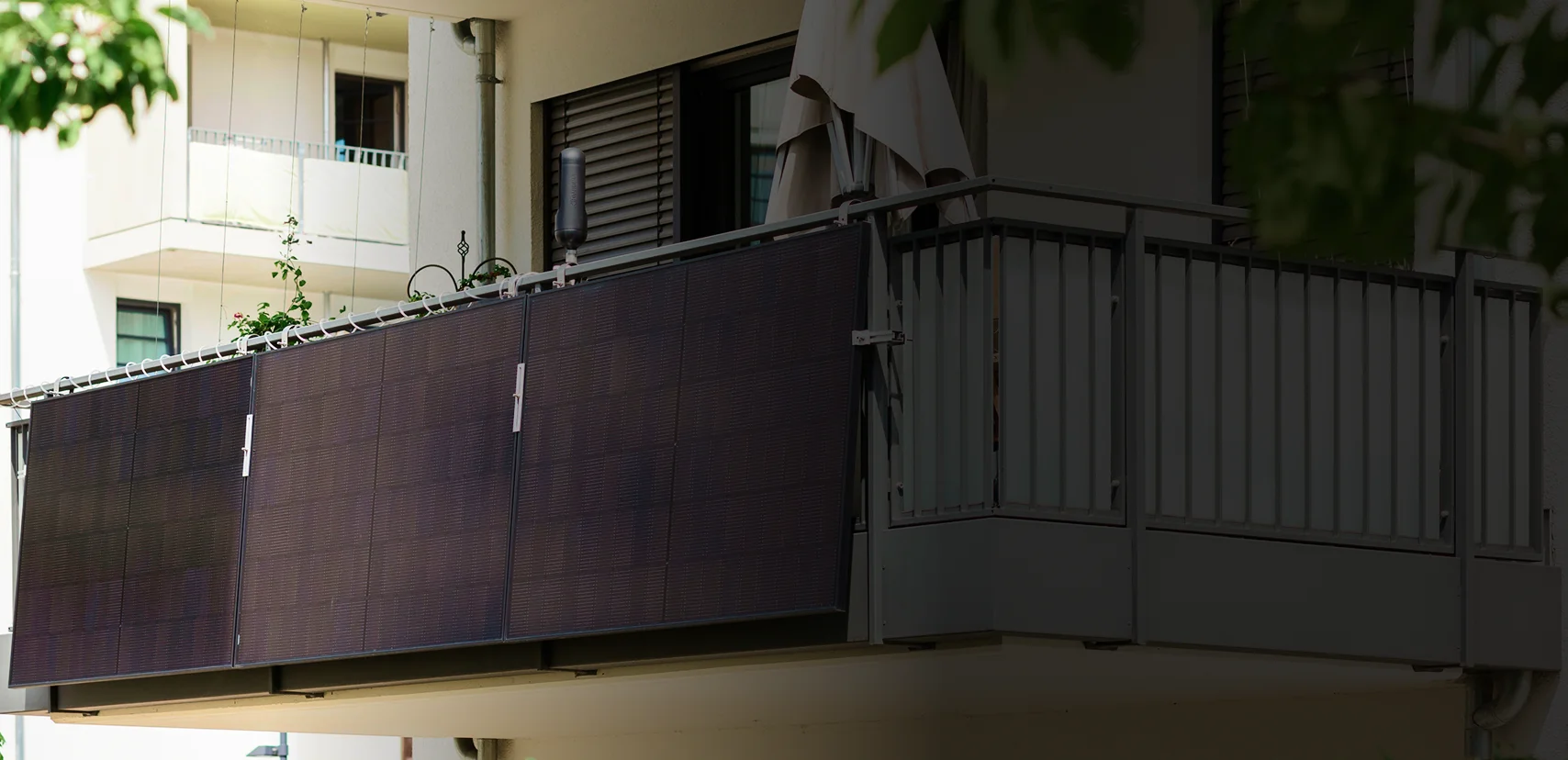
Yes, solar panels can be installed on balconies as well. Many people are using this option, especially in apartments, where roof space is either limited, or rooftop access is unavailable. Compact solar setups can be installed on railings, walls, or stands that receive abundant sunlight. While these small setups cannot produce as much output as the traditional rooftop solar systems, they can still power small households with lesser load. 

Short on roof space?

Discover how solar panels can be installed on balconies and still help cut your bills

How to install a solar panel?

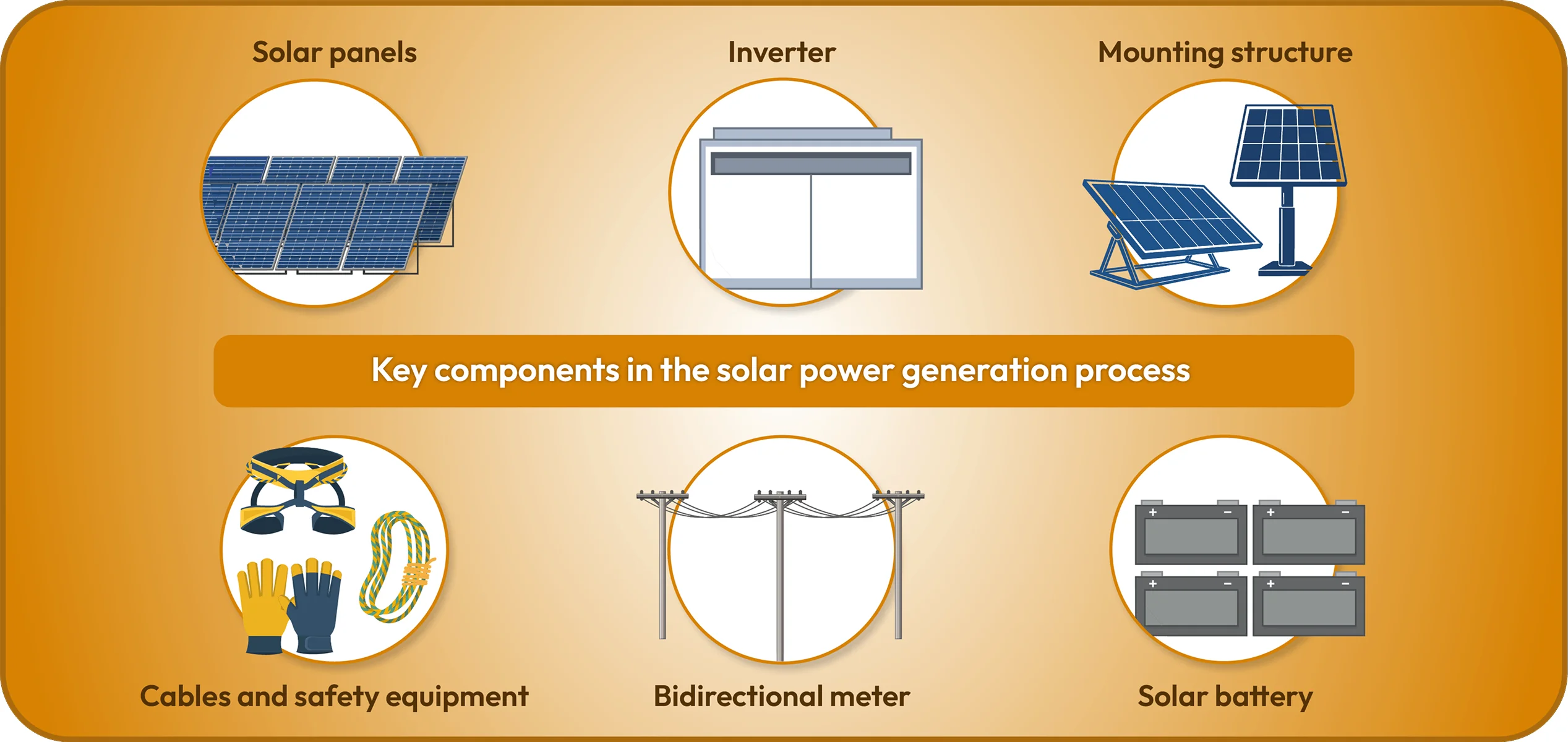
Installing a solar panel setup requires careful planning and precise execution for the best results. Although professional help cannot be substituted, it is ideal to understand the end-to-end process to make informed decisions. The process of installation starts with evaluating the available space for setup, identifying your needs, then calculating your system size (in terms of area and number of panels), and choosing the right kind of panel for you. For execution, the panels are first mounted on the roof or ground for maximum exposure, inverters and batteries are setup, all the connections are secured, and inspection is performed to ensure safety. Once approved, the system is switched on and is fit for use.

Once the setup is one and running, required approvals are taken to install a net meter for proper billing.

What is net metering?

Net metering is a billing mechanism that tracks the electricity exchanged between your solar setup and the grid. A solar net meter is a bidirectional meter that tracks the power you consume from the grid (when consumption exceeds generation) as well as the surplus energy you export (when more energy is generated than required).

As is the case with most solar setups, the excess exported electricity is credited in your bill, eventually recovering the cost of your solar installation in just a few years.

Looking to understand how net metering allows exponential benefits on your solar panels?  Learn more!

What is a solar battery energy storage system?

A solar battery energy storage system is a device that stores the excess energy generated by solar panels for later use. When the generated electricity exceeds the requirement, it is backed up in the battery system. A BESS ensures you have uninterrupted power during non-peak hours, such as at night or on cloudy or hazy days.

In simple terms, it acts like a rechargeable battery that makes solar energy use more reliable and secure for residential and business use.

Eager to know a battery energy storage system helps you make the most of your solar setup? We’ve got you covered

What is a solar calculator?

A solar calculator is an online tool that helps one estimate the size, cost, and potential savings of a solar system for either home or business. By entering your location, amount of electricity used, and approximate roof area, the calculator provides a suggested optimal system capacity, expected energy generation, and financial benefit over time. This is a rapid way to understand how solar can work for you without immediately committing to installation.

Looking to try on a solar calculator for your home or business? Explore more!

How to find the right solar panel size?

Solar panel sizing is basically selecting an appropriate capacity to match your energy needs and available space. This has its starting point in identifying exactly how much electricity is being consumed, in units (kWh), in a month. Based on this, a solar system is sized in kW, and a typical 1 kW system can produce approximately 4 units per day under adequate sunlight. Roof area, panel efficiency, shading, and location also form an important factor in finalizing the size of the system to get the right performance and returns.

Not sure what solar panel size works best for your home? Here is solar panel sizing 101

How to maintain your solar panels?

Trying to achieve maximum efficiency on your solar setup? Maintenance is key. While solar panels are generally low maintenance, they require basic upkeep for maximum efficiency and long-term usage. This includes cleaning your panels periodically to remove dirt, debris, and dry leaves that might be covering the surface. You also need to check for shade from neighboring trees or building. Like any outdoor structure, solar panels too need to be inspected for wiring, mounts, inverters, or regular wear and damage. Most residential systems need a professional check-up only once per year, and industrial or commercial setups might require a more frequent intervention through solar AMCs.


Wondering how to get started? Here is everything about solar panel maintenance you’ll ever need. See more!
Do solar panels work in extreme weather?

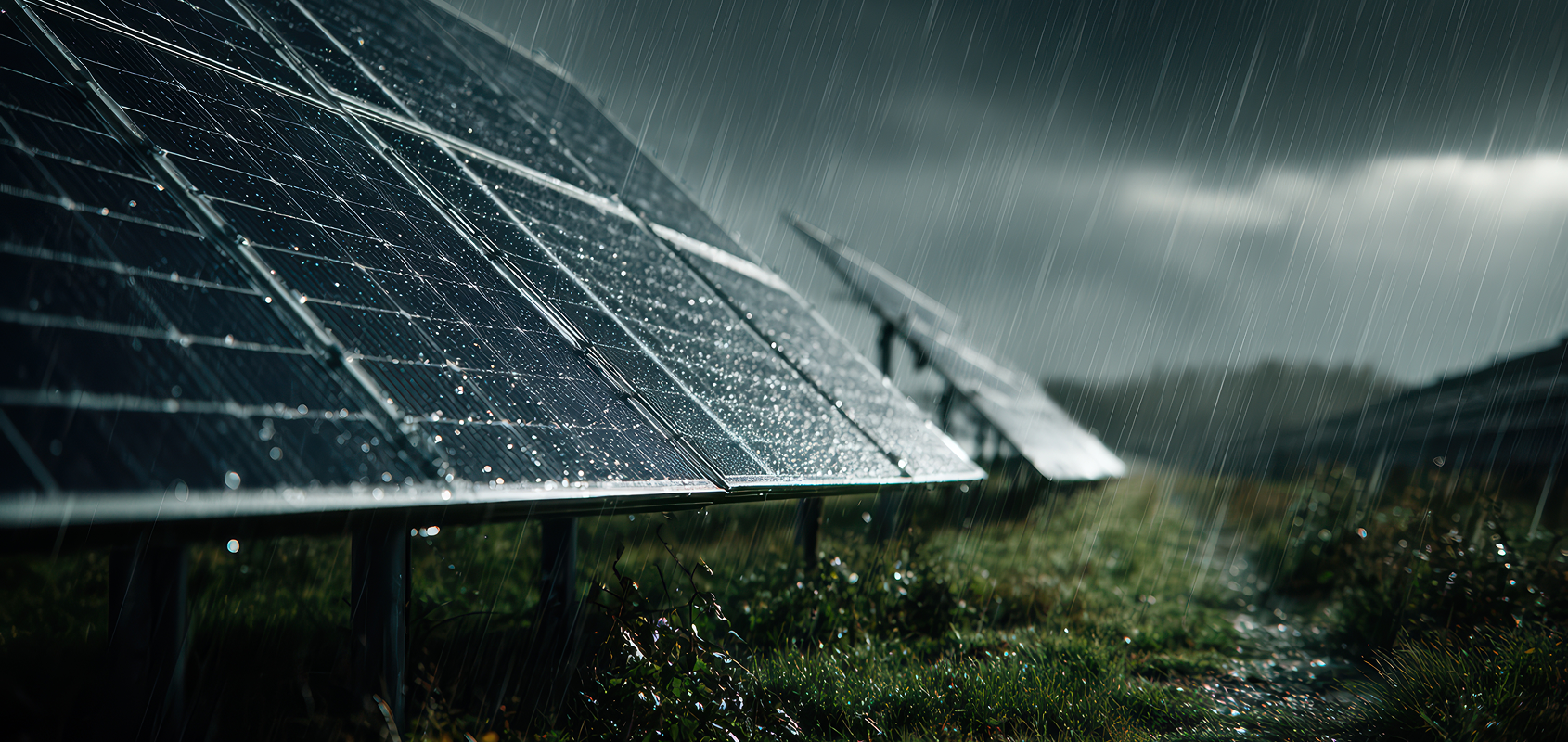
Solar panels are designed to withstand various weather conditions, be it heat, rain, wind, or even cold. The efficiency of the panels in very hot regions falls little, but they keep on generating power as long as sunlight is given. During rains, solar systems work quite effectively. Cloud cover is more important than rainfall, and rain often serves to help clean dust off the panels.

In cold or windy conditions, panels can perform very well because of the lower operating temperatures. Solar panels remain reliable across most extreme weather conditions in India with good installation and quality components.

Interested in how weather affects your solar setup? Here is everything you need to know

Solar panels generating power during rain

From sun to rain, modern solar panels keep producing clean energy for you through it all

Latest solar panel technology in India

India’s solar industry is moving fast with high-efficiency TOPCon and HJT panels, bifacial modules that capture sunlight from both sides, and perovskite-tandem cells promising even higher output. Smart systems incorporating AI for monitoring and optimization make solar more reliable and efficient across varied weather. These are facilitating the generation of more power from smaller spaces for homes and businesses, along with better long-term performance.

Solar panel technology is experiencing a revolution. Take a deep dive into what’s driving energy across the globe. Learn more!

How to choose the best solar panel company?

Choose a solar company with a proven track record, certified panels, and reliable installation services. Services to be looked at will include site assessment, subsidies, net metering, and after-sales support. Transparent pricing, AMC options, and strong customer service ensure  smooth, long-term solar experience. 

The market is flooded with solar panel companies from far and wide. Choosing the best one has never been easier

Understanding on-grid solar systems for homeowners

An on-grid solar system is connected to the main electricity grid. It uses solar power during the day and exports excess electricity to the grid through net metering. When solar generation is low, power is drawn from the grid. With no batteries involved, on-grid systems are cost-effective, low-maintenance, and ideal for reducing electricity bills.

Curious how on-grid solar systems work for your home? Understand the process. Learn more!

What are Solar Designer Spaces?

Solar Designer Spaces are outdoor lifestyle zones, like terraces, patios, gardens, carports, or pergolas, where solar panels are integrated into stylish, functional structures. Other than just a simple panel mounting, these zones curated by Tata Power incorporate clean energy generation with purposeful design, transforming usable outdoor areas into attractive, energy-producing parts of your home. They power not just your house with solar energy but also add comfort, aesthetics, and everyday living.

Curious how solar can power your functional outdoor spaces while being stylish? Find out now!

What is the MySine Energy Storage System?

MySine Energy Storage System by Tata Power is an integrated solar battery backup solution that uses excess solar power to keep your lights on when there's no sun, such as at night or during a blackout. Using a long-lived lithium iron phosphate (LFP) battery, this system provides dependable, reliable power for your home or small business and switches over so quickly from grid power to stored solar energy that you will hardly know when it happens. The system allows for real-time monitoring and control of your energy usage via a mobile app. MySine reduces your reliance on the grid, saves you money by reducing your electric bill, and ensures that all your critical appliances are always working.

Want reliable solar power round the clock? Learn how the MySine energy storage system keeps your home up and running. Explore now!

What is solar financing?

Solar financing enables both residential and commercial users to take advantage of solar energy without having to pay a lot of money upfront. Customers can select the types of financing they would like to use, including loan payments, monthly instalments (EMIs) or ‘pay as you save’ arrangements, which allows them to spread the cost of their solar system over time. By lowering their electric utility bill and taking advantage of tax rebates and credits, most customers will find that their monthly net savings will exceed the amount they pay as an EMI to the solar company as well. Solar financing provides greater access to renewable energy sources for all users by allowing them the flexibility needed to make the switch to solar.

Solar loans vs. solar land lease

Solar loans allow you to buy and own a solar system by repaying the cost over time, giving you long-term savings and full control over the system.
Solar land leases let a provider install and operate a solar system on your property with little or no upfront cost, but ownership remains with the provider.

The right choice depends on whether you prefer ownership and long-term benefits or low upfront investment and convenience.

Want reliable solar power round the clock? Learn how the MySine energy storage system keeps your home up and running. Explore now!

Understanding solar subsidy in India

Solar subsidies in India help reduce the upfront cost of buying a solar system, particularly for individual homeowners. The most common type of support for residential rooftop solar systems comes from the central government through programs like PM Surya Ghar: Muft Bijli Yojana, which offers direct financial assistance to individuals for rooftop solar system installations that are sized by the system. Additionally, many state governments also provide incentive and rebate programs that offer additional incentives beyond what is provided through federal programs. Most solar incentives are provided through the use of network meters which allow homeowners to take advantage of lower electricity rates and realize long-term savings on their electricity bills. Here are a few major solar subsidies in India:

PM Surya Ghar Muft Bijli Yojana: A central scheme that provides direct financial assistance for residential rooftop solar, with online application and subsidy credited to the homeowner’s bank account.

PM KUSUM Scheme: A government program that supports solar pumps and decentralized solar plants for farmers, reducing diesel and grid dependence.

Solar subsidies in Uttar Pradesh (UP): Homeowners can receive up to ₹1,08,000 in combined central and state subsidy for rooftop solar systems up to 3 kW.

Solar subsidies in Maharashtra: Residential users can get central subsidy up to ₹78,000 plus a state top-up of ₹25,000–₹60,000, with additional support for societies and farmers.

Subsidies can help you save big on your solar panels. Learn how!

Ready to embark on your solar journey for a brighter future?

Bottomline

Solar energy is no longer the alternative, it is the preferred choice for lakhs of people in India. And where solar energy goes, solar panels follow. From powering rural communities where the grid can’t reach to lighting up colleges, hospitals, and cities, this solar is the smart choice for the future. Though some individuals and enterprises may be resistant to adopt solar energy due to upfront costs of installation, many are switching to solar as the government is providing subsidies on solar energy systems such as PM Surya Ghar Yojana or PM-KUSUM. From rooftop panels and balcony systems to advanced battery storage and on-grid setups, solar solutions can reduce your electricity bills, provide reliable power, and reduce your carbon footprint. Whether you’re a homeowner, society, or business, solar panels are a long-term investment in clean, renewable energy and a brighter, greener future.

Frequently asked questions

The frequently asked questions section is a reliable source for unlocking answers to some of the most crucial inquiries. Please refer to this section for any queries you may have.


Charging speed depends on the type of charger, the vehicle’s battery capacity and onboard charger limits, and environmental factors like temperature. Higher-power chargers deliver faster energy, but if the car’s onboard system or battery can’t handle that power, speed remains limited. Battery state of charge also matters, with charging slowing as the pack fills to protect its lifespan.


Frequent use of DC fast charging can generate more heat in the battery, and repeated high-power sessions might contribute to long-term wear if used constantly. Occasional fast charging is fine, especially with modern thermal management systems, but relying on slower AC charging for routine top-ups at home can help preserve battery health.


A widely distributed charging network reduces reliance on only high-power fast chargers and spreads charging points where vehicles naturally stop, such as apartments, workplaces, malls, and transit hubs. This makes routine charging convenient and lowers pressure on grid infrastructure. Placing many normal chargers where vehicles park regularly also improves financial viability and user access across urban and suburban areas.


Yes, you can install an EV charger where you live. Most EVs include a basic charger, and you can add a dedicated home charger or wall box with the help of a licensed electrician. Home charging uses your regular electricity supply and adds convenience since you top up overnight. It also tends to cost less than frequent public charging.


The cost of setting up a public EV charging station in India varies widely based on scale and charger types. A basic station with slow chargers may cost a few lakh rupees, while a setup with fast DC chargers can run into tens of lakh rupees. Infrastructure costs like land, electrical connections, and equipment also influence this. Government incentives can help lower some of the upfront expenses.


Government schemes like the PM E-Drive and state-level policies provide subsidies and incentives to promote EV charging networks. These can include reduced capital costs for setting up stations, financial support for equipment, and regulatory support to speed approvals. States such as Rajasthan and Telangana also offer additional incentives for infrastructure development, helping to expand access across urban and rural areas.