


 Contact us


What is a smart grid?
A smart grid is a modern electricity network that uses digital technology, sensors, automation, and real-time communication to monitor, manage, and optimise the generation, distribution, and consumption of electricity. It improves grid reliability, efficiency, and supports renewable energy integration.
In simple terms, a smart grid means a power grid that can automatically track electricity use, detect problems, and respond quickly using data and communication technology.
Importance of smart grid
The importance of smart grids lies in improving electricity reliability and reducing power losses. Smart grids help utilities detect outages faster, restore supply quickly, and ensure stable electricity for homes, businesses, and industries.
They also support renewable energy integration, electric vehicle charging, and distributed energy systems. By improving efficiency and enabling better demand management, smart grids play a key role in building a cleaner and more resilient energy future. For example, pilot smart grid projects in India have reported a reduction in technical losses by up to 20–25% in certain urban areas.
Uses of smart grid
Common uses of smart grids include:
- Real-time monitoring of electricity flow
- Integrating renewable energy like solar and wind into the grid
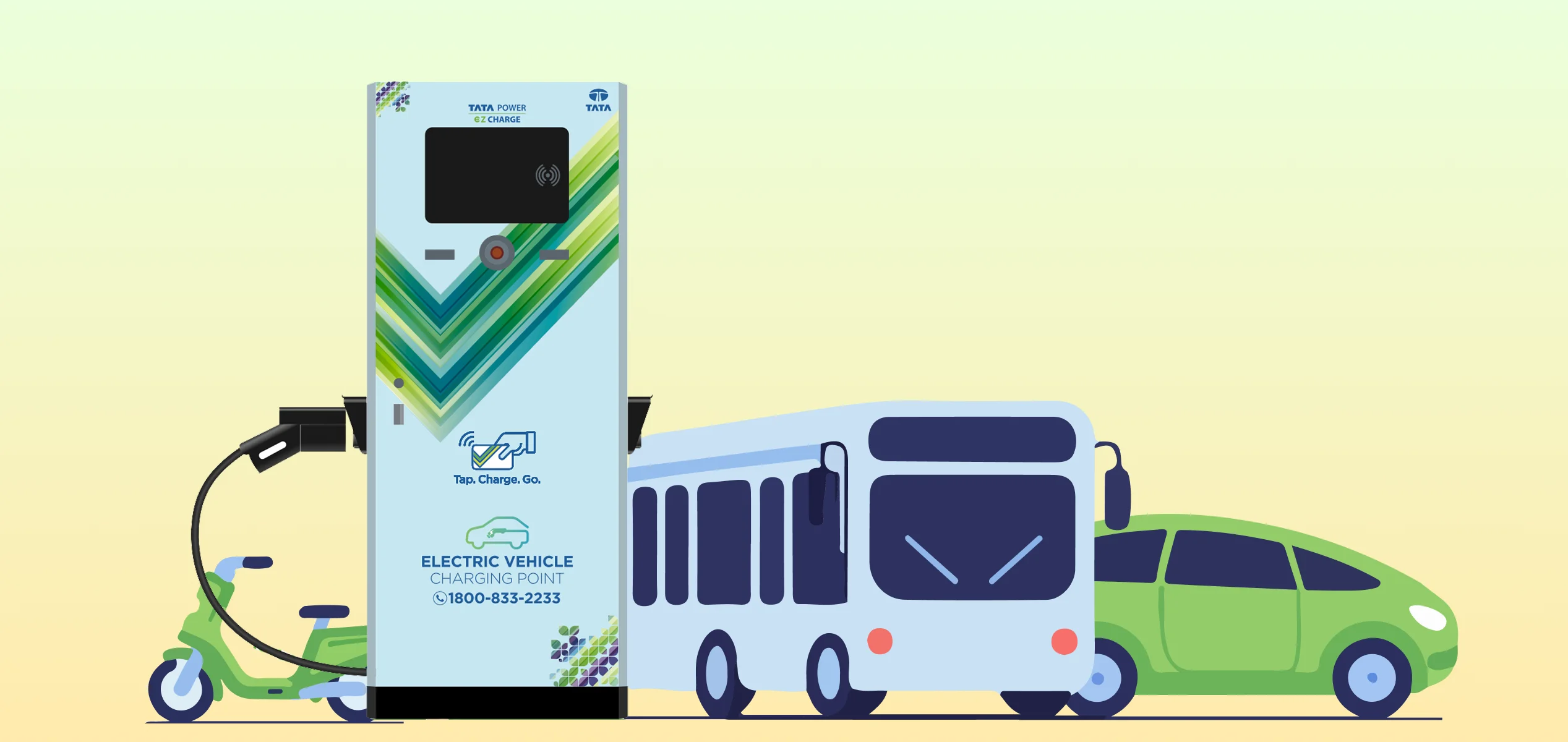
- Supporting EV charging infrastructure with smart load management
- Automated meter reading through smart meters
- Demand response programs to manage peak electricity use
- Reducing transmission and distribution losses
- Improving power quality and grid reliability
- Helping consumers track and optimise electricity consumption
Examples of smart grid
Some practical examples of smart grid applications are:
- Homes using smart meters to track electricity usage in real time
- Automated systems detecting faults and restoring power quickly
- Cities integrating rooftop solar, battery storage, and EV chargers into the grid
- Smart substations using digital sensors to improve efficiency
- Utilities managing peak demand through demand response programs
- Regions balancing renewable energy supply using advanced grid technology
- Bengaluru Smart Grid Pilot (BESCOM) installed smart meters and automated distribution systems, reducing technical losses by ~20% and improving outage response times.
- Delhi Smart Grid Pilot (TPDDL) deployed advanced metering infrastructure and renewable integration, cutting outage response times by up to 50%.
These examples show how smart grids are transforming traditional power networks into smarter, more efficient, and sustainable energy systems.
Related Terms
Blogs
READ MORE