


 Contact us


What is smart metering?
Smart metering refers to the use of advanced digital meters that automatically record and transmit electricity consumption data to both utilities and consumers in real time.
In simple terms, the smart metering meaning is a system that enables accurate billing, remote monitoring, and better energy management. Unlike traditional meters, smart meters provide two-way communication, allowing utilities to detect outages and consumers to track usage instantly.
Importance of smart metering
The importance of smart metering lies in its ability to improve efficiency, transparency, and reliability in the power sector. By reducing manual errors and enabling dynamic pricing, smart meters help utilities optimize grid operations, detect electricity theft, and integrate renewable energy sources.
For consumers, smart metering promotes energy savings and cost control by providing real-time insights into electricity usage. It also supports demand-side management, ensures accurate billing, and strengthens the overall stability of the power system.
Uses of smart metering
Common uses of smart metering include:
- Accurate and automated electricity billing for homes and businesses
- Real-time monitoring of energy consumption to track usage patterns
- Detecting power outages and electricity theft
- Supporting prepaid and dynamic tariff systems for better cost management
- Enabling demand response programs during peak load periods
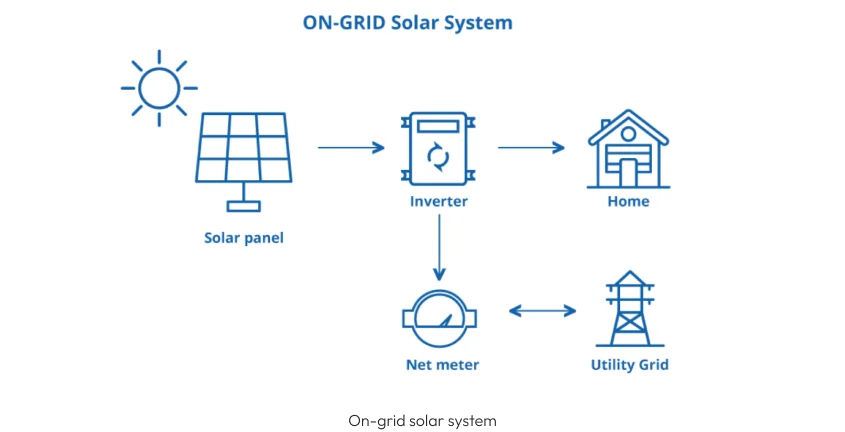
- Facilitating integration of distributed energy resources like rooftop solar
- Helping utilities optimize grid performance and plan energy distribution efficiently
Examples of smart metering
Some practical examples of smart metering are:
- Smart meters installed in residential homes for real-time usage tracking
- Advanced metering infrastructure (AMI) in commercial buildings
- Smart metering systems in industrial facilities for load management
- Utility-led smart metering projects for grid modernization
- Smart metering in renewable energy setups for accurate generation data
- Community-wide smart metering projects supporting energy efficiency programs
- Smart meters integrated with home automation systems for better energy control
These examples show how smart metering modernizes electricity management, empowers consumers, and supports sustainable and efficient energy use across residential, commercial, and industrial sectors.
Related Terms
Blogs
READ MORE