Introduction

India’s power story is changing fast. Installed power capacity reached 520.51 GW in January 2026, while the country’s power shortage dropped sharply from 4.2% in FY14 to 0.03% till December 2025, as per the Press Information Bureau of India. For businesses, this shifts the solar conversation from basic availability to smarter energy planning.

The two most common rooftop solar financing models in India are CAPEX and OPEX, but the question is no longer just whether rooftop solar makes sense. It is which solar project finance model makes it work better. CAPEX and OPEX shape cost, control, ownership, and risk differently. So, before choosing a rooftop solar financing model, the real decision is: should solar be an asset, a service, or a growth lever?

What is the CAPEX solar model?

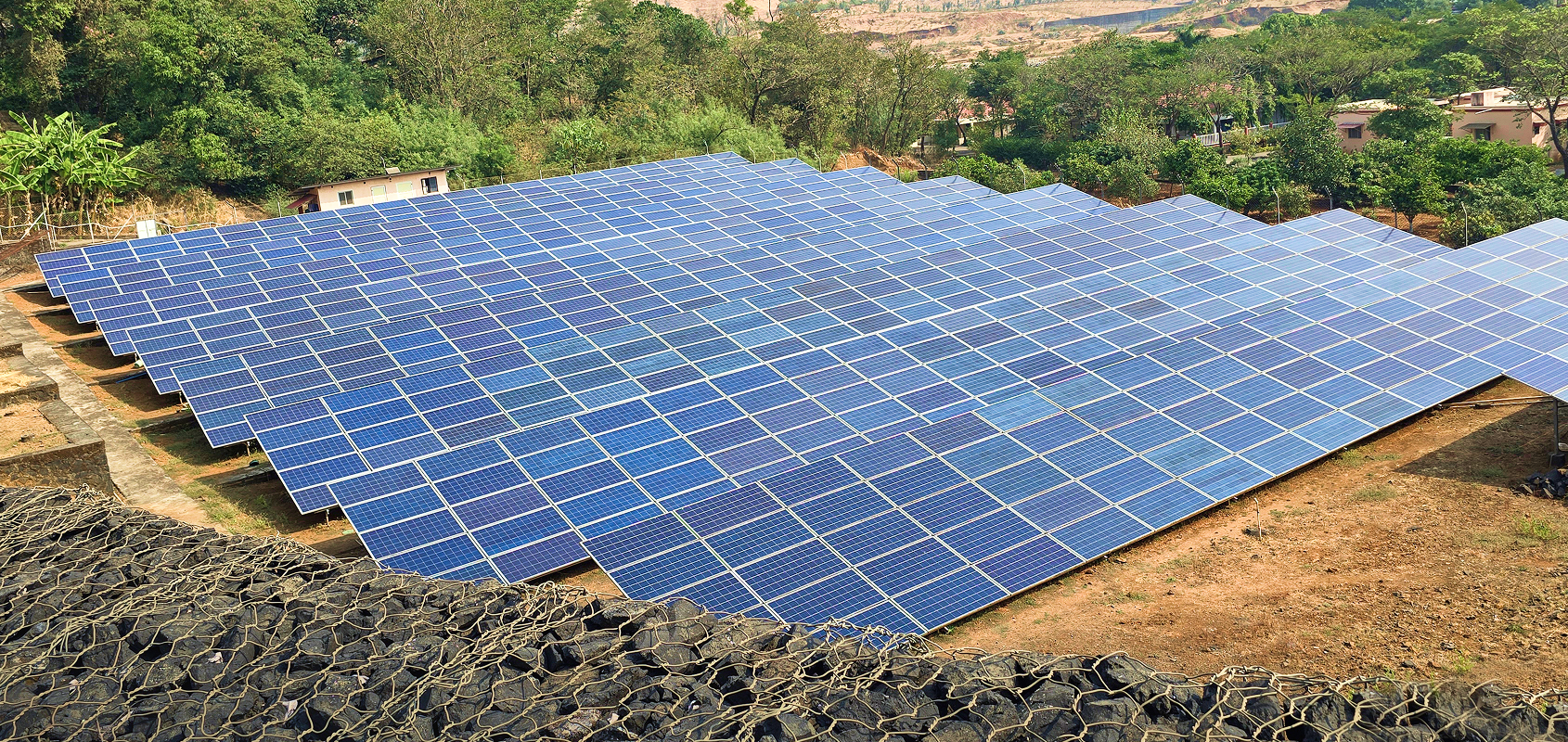
The CAPEX solar model is an ownership-led approach where a business invests upfront to install and own the solar system from day one. The asset becomes part of the company’s long-term infrastructure and can deliver sustained savings, better control, and potential tax advantages such as accelerated depreciation. This solar project finance model is usually preferred by businesses that have capital availability and want higher lifetime value from their solar investment.

The CAPEX model can help businesses with -

1.  Lower dependence on grid electricity

2.  Higher cumulative savings over the system’s life

3.  Complete control over asset performance and upgrades

4.  Eligibility for depreciation and applicable incentives

CAPEX solar model works best when a company wants to treat solar energy as a long-term energy asset, not just a cost-saving arrangement.

CAPEX and OPEX models for rooftop solar projects

Solar project finance models clarify ownership, investment, and long-term returns

What is the OPEX solar model?

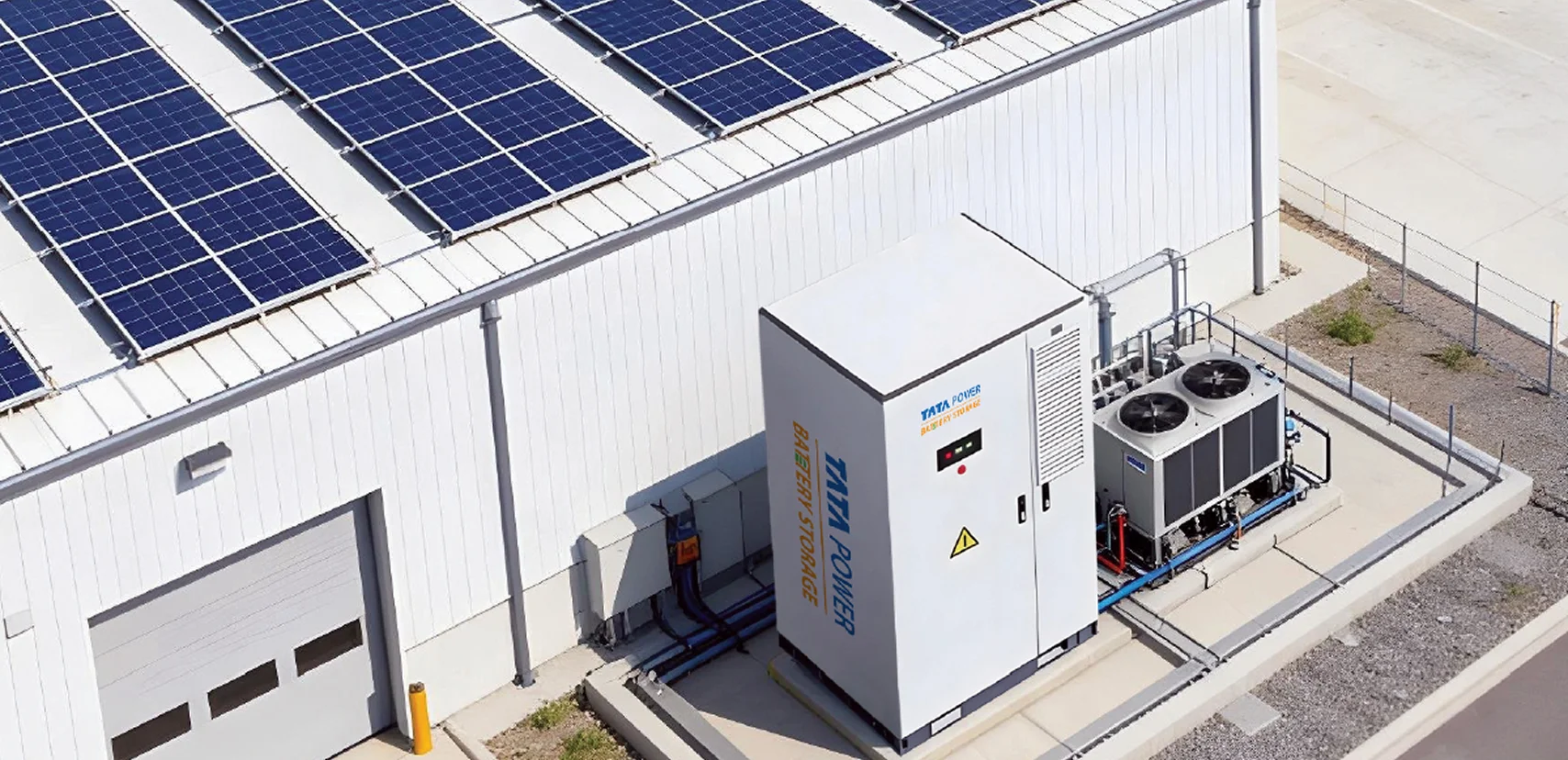
The OPEX solar model allows a business to use solar power without owning the system or making a large upfront investment. A third-party developer installs, owns, operates, and maintains the solar asset, while the business pays for the electricity consumed, usually through a Power Purchase Agreement. This model is suited for companies that want predictable energy costs, faster adoption, and lower operational involvement.

In practical terms, the OPEX model can help businesses with:

  • Minimal upfront capital requirement
  • Faster solar adoption
  • Developer-led operations and maintenance
  • Predictable tariff-based payments under a PPA 

OPEX solar model works best when a business wants solar benefits without asset/blogs/can-the-opex-solar-model-maximize-savings ownership, internal maintenance responsibility, or heavy capital allocation.

How to choose the right solar project finance model?

The right solar project finance model depends on how much capital you want to deploy, how much control you need, and how long you plan to use the asset.

Decision factorCAPEX solar modelOPEX solar model
Capital allocationUpfront investment or project financing is feasibleCapital preservation is a priority
Asset ownershipLong-term control over the solar asset is preferredSolar is required as a managed service
Savings expectationHigher lifetime savings are the main objectivePredictable savings with lower initial exposure are preferred
Operational bandwidthO&M can be managed internally or through service partnersO&M responsibility needs to remain with the developer
Site stabilityThe facility is owned or expected to be used long-termLease tenure, expansion plans, or site usage may change
Tax planningDepreciation-linked benefits are relevant to the businessAsset-linked tax benefits are not a key consideration
Strategic fitSolar is part of a long-term infrastructure strategy

Solar adoption needs to be faster and lighter on capital

This is where the choice becomes clearer. CAPEX works well when solar is part of a long-term asset strategy. OPEX works well when the priority is speed, simplicity, and lower upfront exposure.

So, while both models can support rooftop solar adoption, the right rooftop solar financing model depends on what the business wants solar to do: reduce bills, build value, or free up capital for other priorities.

How does Tata Power simplify solar financing for businesses?

Understanding CAPEX and OPEX is essential for businesses planning solar adoption. Tata Power simplifies this journey with flexible financing options backed by 30+ years of solar expertise, a presence across 300+ districts, and a rooftop portfolio spanning 1.5 lakh+ installations and around 3 GW capacity. This gives businesses a smoother path from financing to installation and long-term solar performance.

Lower initial investment for rooftop solar adoption

Lower initial investment requirement

No collateral financing for rooftop solar

No-collateral financing options

Fast track rooftop solar approval process

Fast-track approval process

Flexible EMI repayment for rooftop solar financing

Flexible repayment structures

Government schemes and Tata Power solar financing

Access to government and exclusive schemes

End to end Tata Power rooftop solar support

Comprehensive end-to-end support

1.  Lower initial investment requirement - Begin your solar journey without significant capital outlay, making adoption more feasible for businesses of all sizes

2.  No-collateral financing options - Secure funding without pledging assets under select schemes, reducing financial risk and simplifying access to credit

3.  Fast-track approval process - Accelerated sanction timelines help initiate installation quickly and avoid unnecessary project delays

4.  Flexible repayment structures - Repay comfortably over time with EMI plans designed to align with business cash flows

5.  Access to government and exclusive schemes - Leverage initiatives like PM Surya Ghar Yojana along with Tata Power’s special financing programs to improve affordability

6.  Comprehensive end-to-end support - Receive guidance across financing, solar system installation, and execution, ensuring a smooth and reliable solar transition.

Beyond CAPEX and OPEX solar financing models, discover how solar creates real long-term value. Explore more

Charge your curiosity

From EV facts to charging tips, each spin is designed to reveal something new as you play

Bottomline 

CAPEX and OPEX solar models are not just payment routes. They shape how a business captures value from solar. CAPEX builds ownership and long-term control. OPEX creates flexibility with lower upfront commitment. The right solar project finance model depends on how the business wants to grow, spend, save, and scale. Because when solar is structured well, it does more than reduce electricity costs. It becomes a sharper way to plan energy, protect margins, and build lasting business resilience.

Plan your switch to rooftop solar with confidence

Frequently asked questions

The frequently asked questions section is a reliable source for unlocking answers to some of the most crucial inquiries. Please refer to this section for any queries you may have.


CAPEX solar may be a good fit for Indian businesses that own or operate stable facilities with predictable power needs and have the financial capacity to pay upfront or acquire financing. Ownership of the solar asset by the consumer allows the model to facilitate long-term savings, complete control over system performance, and depreciation benefits if eligible. This option works well for businesses that view rooftop solar as a long-term infrastructure investment rather than a tool to lower monthly bills.


Yes, in the Indian rooftop solar context, OPEX is often used interchangeably with the RESCO model. RESCO stands for Renewable Energy Service Company. Under this structure, the developer finances, installs, operates, and maintains the rooftop solar plant. The consumer uses the electricity generated and pays an agreed tariff over the contract period. This makes OPEX useful for businesses that want solar adoption with lower upfront investment.


A solar PPA, or power purchase agreement, is the contract that defines how power will be supplied and paid for under an OPEX or RESCO model. The developer owns and operates the solar system, while the consumer agrees to buy electricity at a pre-decided tariff for the agreement period. For businesses, the PPA is central because it affects pricing, tenure, savings, responsibilities, and exit terms.


CAPEX solar may offer depreciation benefits because the business owns the solar asset. The Income Tax Department lists several renewable energy devices under depreciation schedules, including solar-related systems and equipment, with rates subject to applicable rules and conditions. Since tax treatment can vary by asset type, ownership structure, and financial year, businesses should validate the benefit with their tax advisor before finalizing a solar project finance model.


Government support for rooftop solar in India is largely focused on residential consumers through schemes such as PM Surya Ghar Muft Bijli Yojana. The official PM Surya Ghar platform allows households to apply for rooftop solar subsidies and related processes. For commercial and industrial users, financial benefits may depend more on project structure, depreciation, open access rules, state policies, and financing arrangements rather than standard household subsidy support.


Net metering can improve the economics of rooftop solar by allowing eligible consumers to adjust exported solar power against imported grid electricity, subject to state regulations. This can influence payback, savings, and system sizing, especially under CAPEX structures where the consumer owns the asset. Rules, limits, settlement methods, and approvals vary by state and DISCOM, so net metering should be checked before selecting a rooftop solar financing model.


Before choosing a rooftop solar financing model, businesses should assess electricity consumption, sanctioned load, roof suitability, site ownership or lease tenure, DISCOM approvals, net metering rules, financing cost, tax position, and O&M capability. The model should also match the company’s long-term plan. CAPEX works better when ownership and lifecycle savings matter. OPEX fits better when lower upfront costs and managed operations are the priority.

Sources

1. India’s Power Sector: Progress, Reform, and the Road Ahead

2. CAPEX vs OPEX Solar: Differences, Benefits and How to Choose the Right Model

3. Advanced Solar PV Project Finance Model

4. OPEX vs CAPEX solar model: What is best for your company today and over the next decade