Introduction

Most businesses that invest in solar energy assume that consistent performance is a given. The importance of solar O&M rarely comes up, yet it's what shapes everything from energy output and system efficiency to financial returns and asset life. Ready to make the most of your solar setup? Here’s how structured O&M can be a game-changer for your business.

Power Your Knowledge!

Can you spot the correct statement?

LEARN MORE

Why is solar O&M important for businesses?

Solar O&M is important for businesses because it directly determines how much value a solar investment delivers over its lifetime by ensuring consistent energy output, reducing downtime, improving ROI, and protecting the long-term performance of solar assets. A well-installed system that isn't actively maintained will underperform, and unlike a sudden equipment failure, the losses are gradual enough that most businesses don't notice until they've already accumulated. For an asset that's expected to perform for 25 years, that's a risk that compounds quietly but significantly.  

Want to maximize solar performance? Start with our in-depth guide to solar panels. Read now

What are the benefits of solar O&M for businesses?

The benefits of solar O&M for businesses include ensuring efficient system performance, minimizing downtime, and delivering predictable energy output, directly safeguarding your investment and maximizing returns. If you want your solar setup to perform at its optimal best, O&M is the answer. Still wondering if it’s worth your money? Here are 9 benefits of solar O&M you can’t miss:

Together, these benefits ensure your solar system runs efficiently, reliably, and with minimal disruptions. Over time, this translates into better performance, lower costs, and stronger returns.

Is your solar setup underperforming? 

Explore how O&M helps you stay ahead so small inefficiencies don’t come in the way of your savings

How does structured O&M improve real-world solar performance?

Structured O&M improves real-world solar performance by enabling continuous monitoring, early fault detection, and proactive maintenance across complex systems. In practice, this translates into more stable performance, lower risks, and better long-term efficiency, especially in large-scale solar installations. And what better way to see this in action than through a real-life example that highlights how structured O&M, supported by advanced monitoring, helps businesses maintain efficiency at scale while reducing risks and improving long-term performance.

A 200 MW solar farm in Rajasthan spread across nearly 1,000 acres began facing challenges in tracking performance across assets. Identifying inefficiencies, managing soiling losses, and detecting early signs of equipment failure became difficult without a unified system.

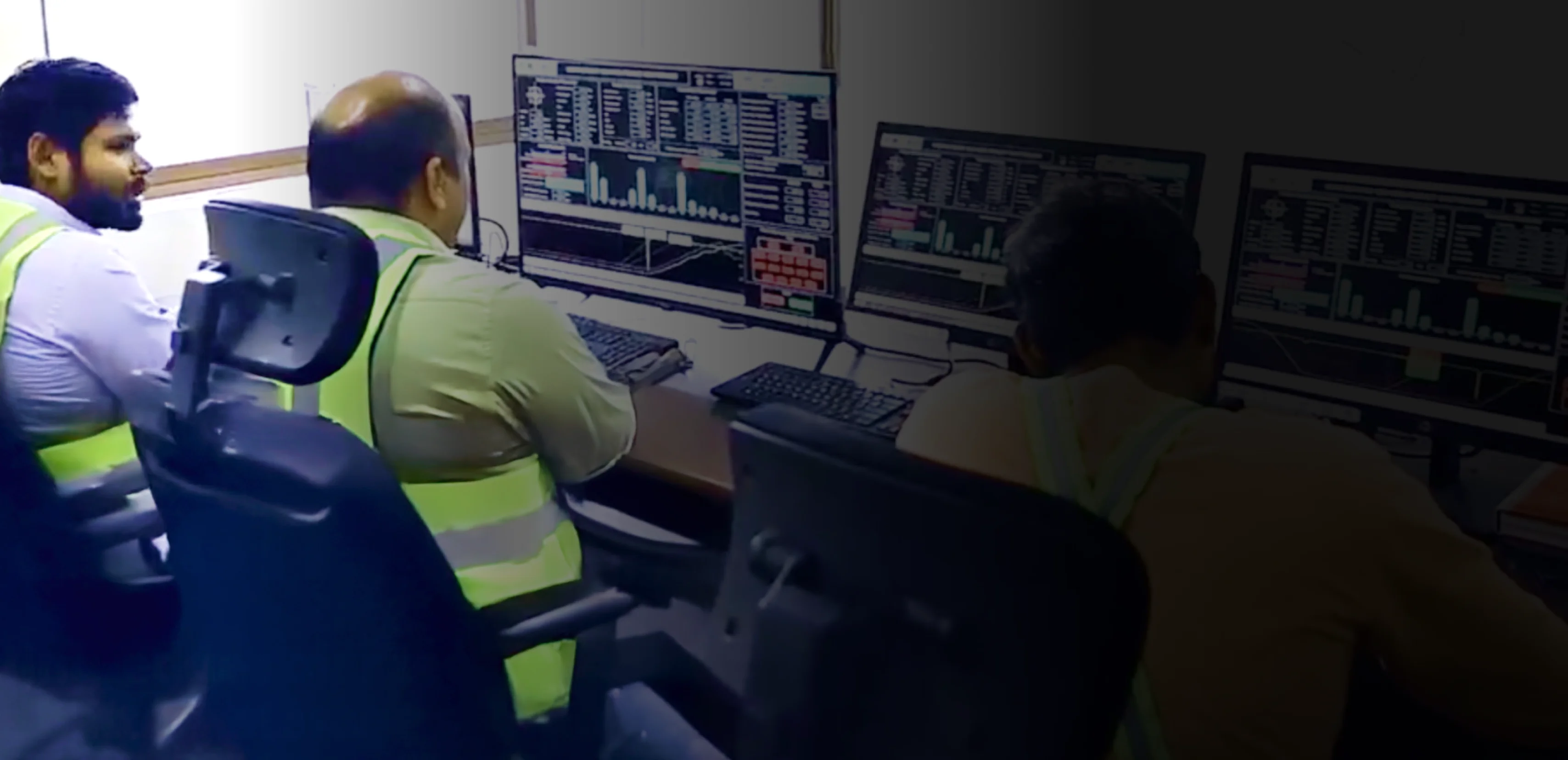
To address this, Tata Power implemented a centralized monitoring system powered by AI and machine learning through its CCRA platform. This enabled a more structured and data-driven O&M approach:

  • Real-time visibility into inverter performance and energy generation
  • Continuous monitoring of soiling levels and system efficiency
  • Early detection of underperforming components and system deviations
  • Predictive alerts to identify potential failures before they occur

With these capabilities in place, the operations team was able to move away from reactive maintenance and improve overall system performance.

As a result:

  • Issues were identified and resolved faster
  • Maintenance became more proactive and better planned
  • System performance remained more stable and consistent over time

This shift from reactive to structured maintenance is not unique to one site. It reflects a broader difference in how solar assets perform with and without O&M:

AspectWith structured solar O&M (CCRA‑enabled)Without structured O&M
System performance visibilityReal-time monitoring + predictive insightsDecentralized data, delayed decisions
Fault detectionEarly detection via alerts and anomaly insightsIssues found only after impact
Maintenance approachProactive, analytics‑drivenReactive and manual
Operational efficiencyOptimized with consolidated data and AI analyticsInefficiencies persist without clear visibility
Data & reportingCentralized repository with benchmarked reportsFragmented data, limited reporting
Risk & reliabilityHighMedium
Cost efficiencyBetter O&M cost predictability through analyticsHigher due to reactive fixes and inefficiencies

For most businesses, solar is a significant capital commitment, not core operational competency. This is why solar O&M is important not just as a maintenance practice, but as a strategic decision about who is best placed to protect a long-term asset. To that effect, outsourcing O&M to a professional provider means the system gets structured attention on a defined schedule, with the right equipment and expertise behind every visit. Faults get flagged through continuous monitoring rather than discovered during manual checks. Preventive maintenance happens because it is contracted to happen, not because someone remembered to schedule it. And when something does go wrong, response times are governed by service level agreements rather than internal availability.

Eager to learn more about this 200 MW success story?

How to choose the right solar O&M partner?

The solar O&M market has no shortage of providers, and that's precisely what makes the decision difficult. Experience levels vary widely, service frameworks range from basic to comprehensive, and the gap between what's promised and what's delivered tends to show up only after the contract is signed. For businesses that have committed significant capital to a solar asset, that's a risk worth taking seriously. Tata Power's solar O&M services are built to address exactly this uncertainty, bringing together technical depth, advanced infrastructure, and structured accountability under one roof.

Expertise across 4,500 MW renewable energy: One of the largest renewable O&M portfolios in India, spanning solar, wind, and hybrid assets.

AI and ML-powered monitoring through the CCRA: Real-time, round-the-clock surveillance of solar assets with faster fault detection and smarter maintenance decisions.

Drone-based thermal surveys: Thermal imaging of panels, termination boxes, and transmission lines at scale, without the delays of manual inspection.

Proactive soiling management: AI-driven detection ensures cleaning happens when it makes a performance difference, not just on a fixed schedule.

Critical spare management: Essential components stocked in advance, minimizing downtime and avoiding delays from reactive procurement.

Carbon asset management: Registration and trading of up to five million carbon credits annually, adding value beyond energy generation alone.

When the stakes are this high, the partner you choose matters as much as the system you install.
Take the next step to optimizing your solar plant output for peak performance

Bottomline

Solar energy is a long-term commitment, and like any long-term commitment, what you put into it determines what you get out. The importance of solar O&M lies not in any single maintenance visit or monitoring alert, but in the cumulative effect of consistent care over years and decades delivered by trusted professionals like Tata Power. Businesses that treat O&M as an afterthought will find their returns eroding well before the asset reaches its potential. Those that treat it as a core part of their energy strategy will find their systems doing exactly what they were always supposed to do.

Frequently asked questions

The frequently asked questions section is a reliable source for unlocking answers to some of the most crucial inquiries. Please refer to this section for any queries you may have.


After 25 years, most solar panels continue to generate electricity but at a reduced efficiency level, typically around 80% of their original output. With proper O&M throughout the system's life, many components can be maintained or selectively replaced to extend plant operation beyond the original design life. Plant owners at this stage typically conduct a comprehensive performance audit to assess whether life extension, repowering, or decommissioning is the most financially viable path forward.


Without solar O&M, system performance declines gradually through soiling, component wear, and undetected faults. Without routine maintenance and monitoring, solar systems can lose up to 20% of their energy efficiency over 25 years. Beyond performance losses, neglected systems face higher risks of equipment failure, safety incidents, compliance gaps, and voided warranties, all of which carry significant financial consequences.


Solar systems should be maintained at multiple frequencies depending on the activity involved. Monitoring should happen continuously, with automated alerts for performance deviations. Panel cleaning frequency depends on the environment, ranging from weekly in high-dust locations to quarterly in cleaner settings. Inverter checks and electrical inspections are typically conducted monthly and quarterly respectively, while comprehensive system audits are carried out annually.


Solar O&M services typically include performance monitoring and reporting, preventive maintenance such as cleaning and routine inspections, corrective maintenance for fault resolution, predictive diagnostics using thermal imaging and AI-based tools, inverter and electrical system servicing, vegetation management, safety and compliance checks, and spare parts management. The exact scope depends on the type of contract, ranging from monitoring-only arrangements to fully comprehensive, performance-linked engagements.

Disclaimer:
The information provided in this blog has been compiled from multiple sources, including official company websites and other publicly available open-source platforms, believed to be reliable at the time of publication. However, such information may change over time, may not always reflect the most current developments, and may become outdated.
This content is intended solely for general informational purposes and should not be construed as professional, technical, financial, or legal advice. Tata Power does not guarantee the accuracy, completeness, or reliability of the information presented and shall not be held responsible for any loss or damage arising from reliance on this content.
Readers are advised to independently verify information from relevant official sources and conduct their own due diligence before making any decisions based on the content of this blog.