


 Contact us



1. Solar site survey and consultation
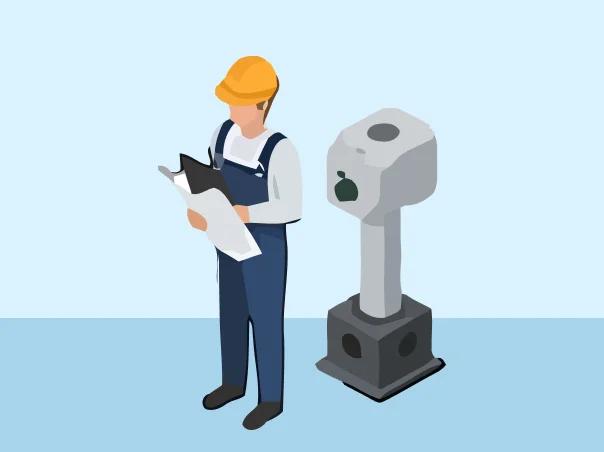
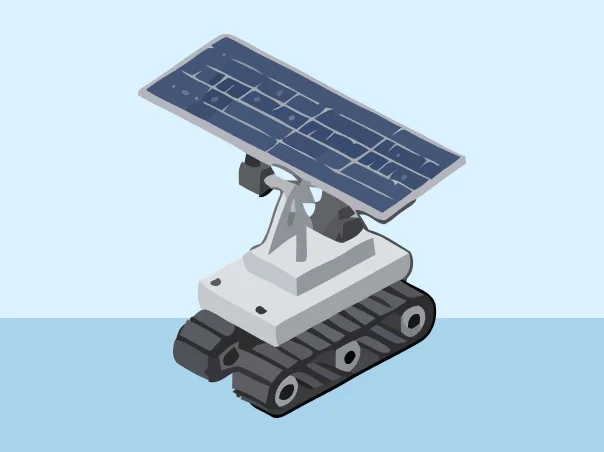
The initial consultation and site survey generally take around 1–2 days. A solar provider assesses your rooftop size, shadow-free area, structural condition, and electricity consumption patterns to arrive at the right system capacity for your needs. Most surveys wrap up quickly, though older buildings or larger rooftops may need additional structural checks before the design phase begins.
2. System design and proposal preparation
The provider prepares the system design, energy generation estimates, panel and inverter selection, and a commercial proposal for your approval. This stage usually takes 2–5 days depending on the complexity of the project.
For residential systems, the process is often quicker because standardised system configurations are commonly used. Commercial and industrial installations may take longer due to customised engineering requirements and higher load demands.
3. Approvals and documentation
Approvals and documentation are often the most time-consuming part of the solar installation process in India. This stage may take anywhere between 2–6 weeks depending on the local DISCOM, net metering policies, and documentation requirements.
The process generally includes application submission, technical approvals, subsidy-related paperwork where applicable, and net meter processing. Delays can sometimes occur because timelines vary across states and electricity boards. This stage significantly influences the average solar installation time for rooftop systems.
4. Procurement and material delivery
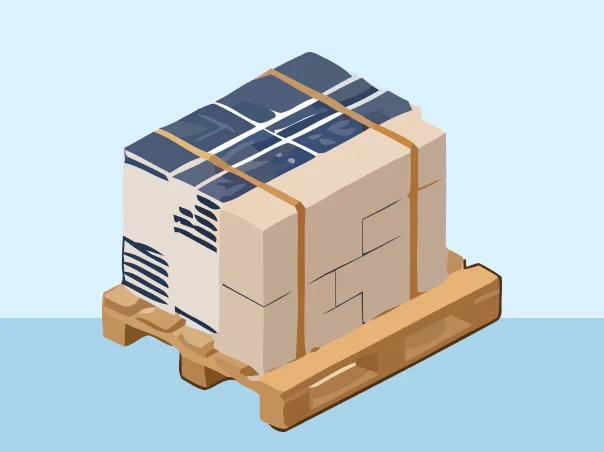
After approvals are completed, solar panels, inverters, mounting structures, and other components are arranged for installation. Procurement and logistics generally take around 3–7 days, depending on product availability and project location.
For standard residential systems, components are often readily available and logistics move smoothly within the week.
5. Solar panel installation
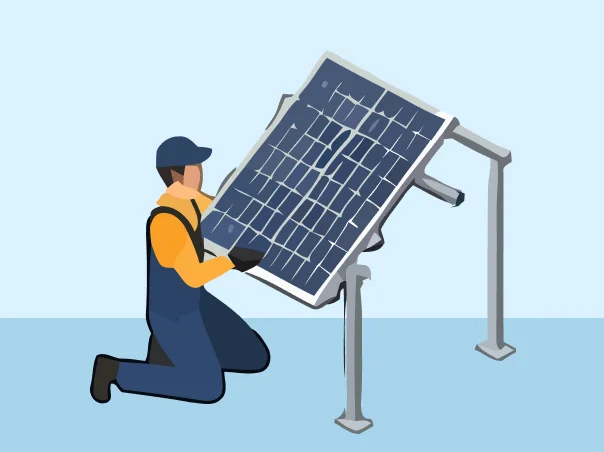
The physical installation is usually the fastest part of the process. For most residential projects, the time to install solar panels on-site is typically 1–3 days. Mounting structures go up, panels are fixed, the inverter is installed, wiring and earthing are completed, and safety checks are carried out, all typically within one to three days.
Weather conditions such as heavy rain or extreme heat can affect this stage regardless of how well everything else has been planned.
6. Testing, commissioning, and net metering activation
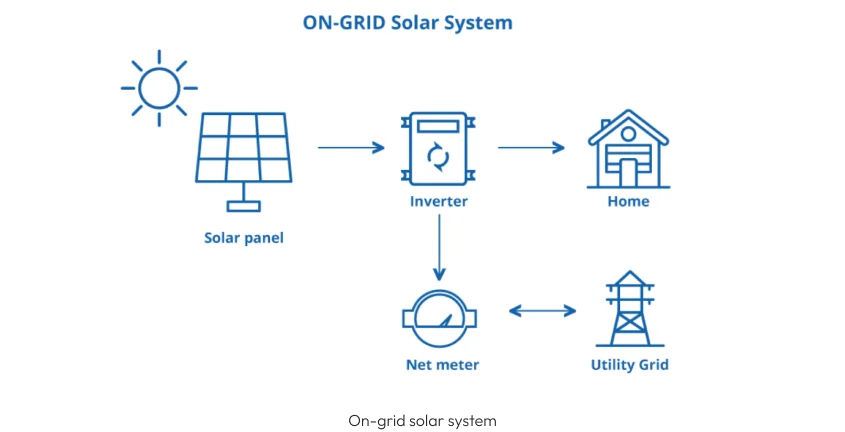
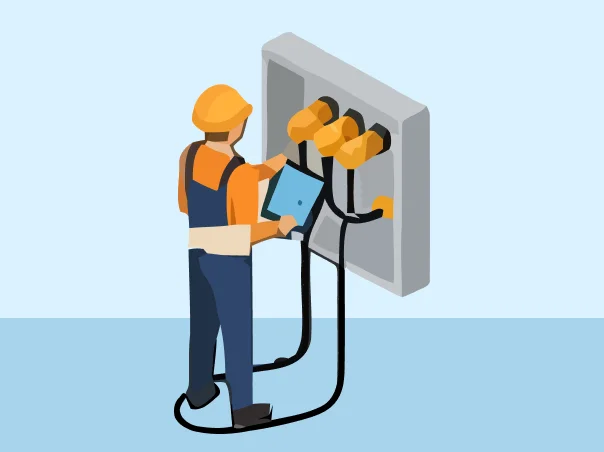
Once the net meter is activated, surplus energy can flow back to the grid and your system becomes fully operational. This stage generally takes 1–3 days and includes performance testing, inverter checks, electrical inspections, and grid synchronisation.
At this point, the complete time duration required for installation of solar panels comes to an end.