The relationship between consumers and utilities is increasingly shaped by expectations of speed, convenience, transparency, and access to information.
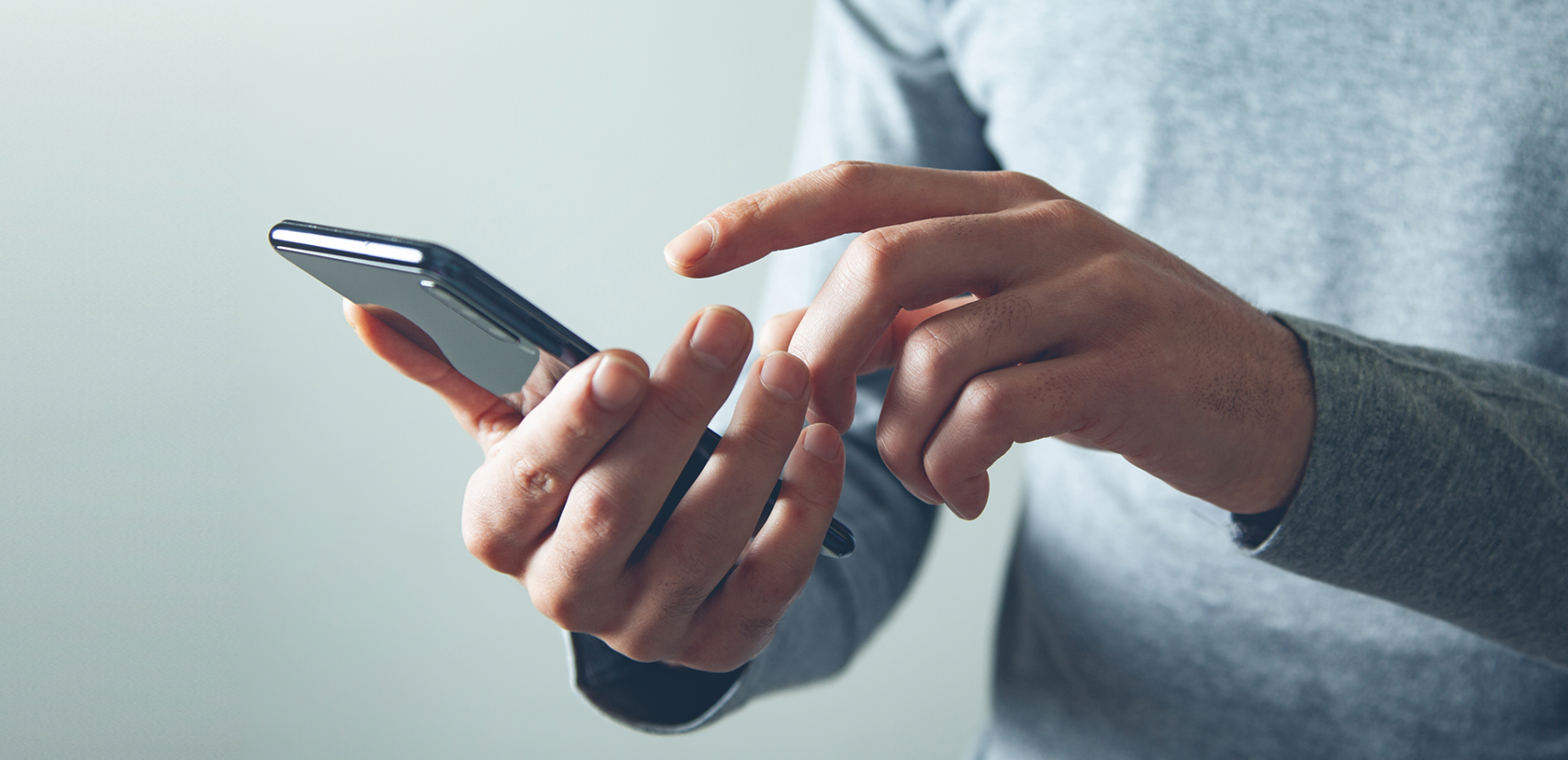
Digital service platforms are becoming important channels through which these expectations are met.
At Tata Power-DDL, the share of digital bill payment transactions increased from 83.4% in FY 2021-22 to 93% in FY 2025-26.
During the same period, digital payment transactions rose from 74.3 lakh to more than 1.11 crore. Non-digital transactions declined by over 43%, from 14.81 lakh to 8.46 lakh.
These trends reflect growing consumer adoption of secure, seamless, and contactless payment options.
The transformation is also evident in customer service.
Nearly 70% of customer requests are now resolved through self-service platforms, including the Tata Power App, website, WhatsApp, chatbot, IVR, email, and social media.
These channels enable consumers to register complaints, track service requests, receive automated notifications, and access billing information without visiting customer care centers.
The significance of this shift extends beyond reducing dependence on physical service channels.
Digital platforms can support a more proactive customer experience through timely communication, faster resolution, and greater visibility into service requests.
However, increasing digital adoption does not eliminate the need for human assistance.
Senior citizens, small businesses, and other consumers may continue to prefer assisted channels. Their expectations must remain part of how utilities design and deliver services.
A consumer-centric distribution utility must therefore combine the convenience of digital platforms with accessible human support.
The objective is not simply to increase digital interactions, but to make electricity services more convenient, responsive, and inclusive.




 Contact us