
Introduction

Did you know a rooftop solar dealer in India benefits from faster approvals, smoother subsidy flows, and built-in support through MNRE-aligned partnerships? In 2026, this model is emerging as a high-growth opportunity, shaped by rising demand and steadily improving solar economics. With low entry barriers, structured lead generation, and recurring income that compounds over time, it offers a scalable, future-ready business pathway.


According to the National Solar Energy Federation of India, “India is poised to become the world’s second-largest solar market in 2026 in terms of annual installation.” India has already crossed 150 GW of installed solar capacity, adding nearly 50 GW in just 14 months. Yet rooftop penetration across the country remains far from its potential, and this gap is where dealers build lasting businesses. If you are still exploring the solar boom as a rooftop solar dealer in India, here are a few reasons that make the opportunity clearer.

Scratch. Reveal. Learn

Curiosity has its rewards

Why become a rooftop solar dealer in India in 2026? 8 reasons this is a smart business opportunity

A rooftop solar dealership in India is a smart business opportunity because it combines strong market growth, policy-driven demand, and high profit potential with a low-entry, scalable business model. From government-backed adoption and rising consumer demand to multiple income streams, flexible investment, and untapped markets beyond metros, it enables entrepreneurs to build a stable, future-ready business in the market.

8 reasons to become a rooftop solar dealer in India:

1. A market that is growing faster than almost anything else

Within solar, the rooftop solar additions grew 81.6% year-on-year in the first nine months of 2025:
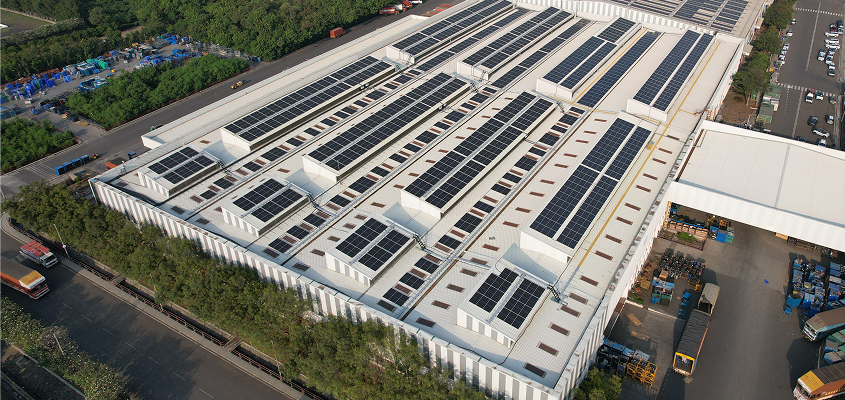
  • Residential rooftops, MSMEs, schools, hospitals, and housing societies are actively seeking dealers who can manage end-to-end installations.
  • Industrial estates and SEZs are moving toward solar to cut energy costs and meet corporate sustainability commitments.
  • Government policies supporting green building adoption are nudging developers to incorporate solar across all their projects.  

2. Government support that actively drives sales for you

Solar in India has robust government backing that directly converts hesitant customers into motivated buyers.

  • The PM Surya Ghar Yojana aims to install rooftop solar in 1 crore households by 2026–27, with an outlay of ₹75,021 crore
  • Most states run parallel subsidy programmes, in additional to the central scheme
  • Net metering policies allow homeowners to sell surplus power back to the grid
  • GST concessions on solar components reduce effective system costs
  • PM-KUSUM is accelerating solar adoption in agricultural and rural segments, targeting 30+ GW of decentralized capacity along with millions of solar pumps to support farmers and reduce grid dependence
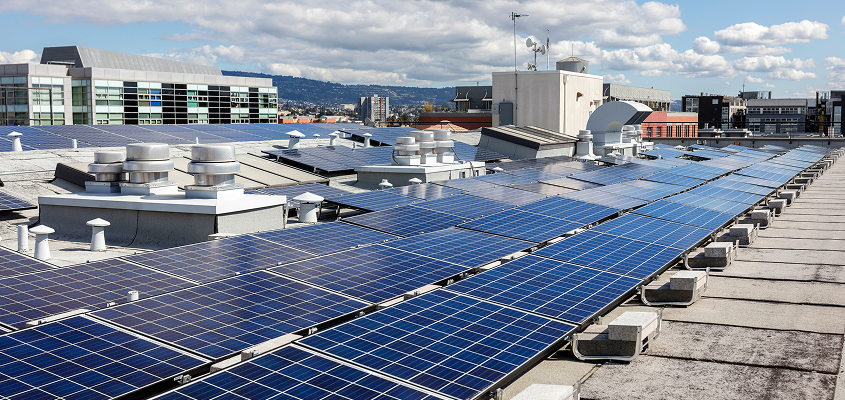
Rooftop solar dealership business opportunity India

The massive adoption of green energy is creating new opportunities for rooftop solar dealers India-wide

3. Strong profit potential with multiple income streams

A solar dealership is not a single-revenue business. The income structure is layered, and each layer compounds as the dealer's installed base grows.

Installation margins

  • 20% and 35% margins on project execution, along with recurring income from after-sales services. A dealer closing 4 to 5 residential installations a month can generate a net monthly income of Rs 1.5 to Rs 2 lakhs
  • Commercial and industrial projects bring larger absolute revenues per deal

Adjacent revenue opportunities

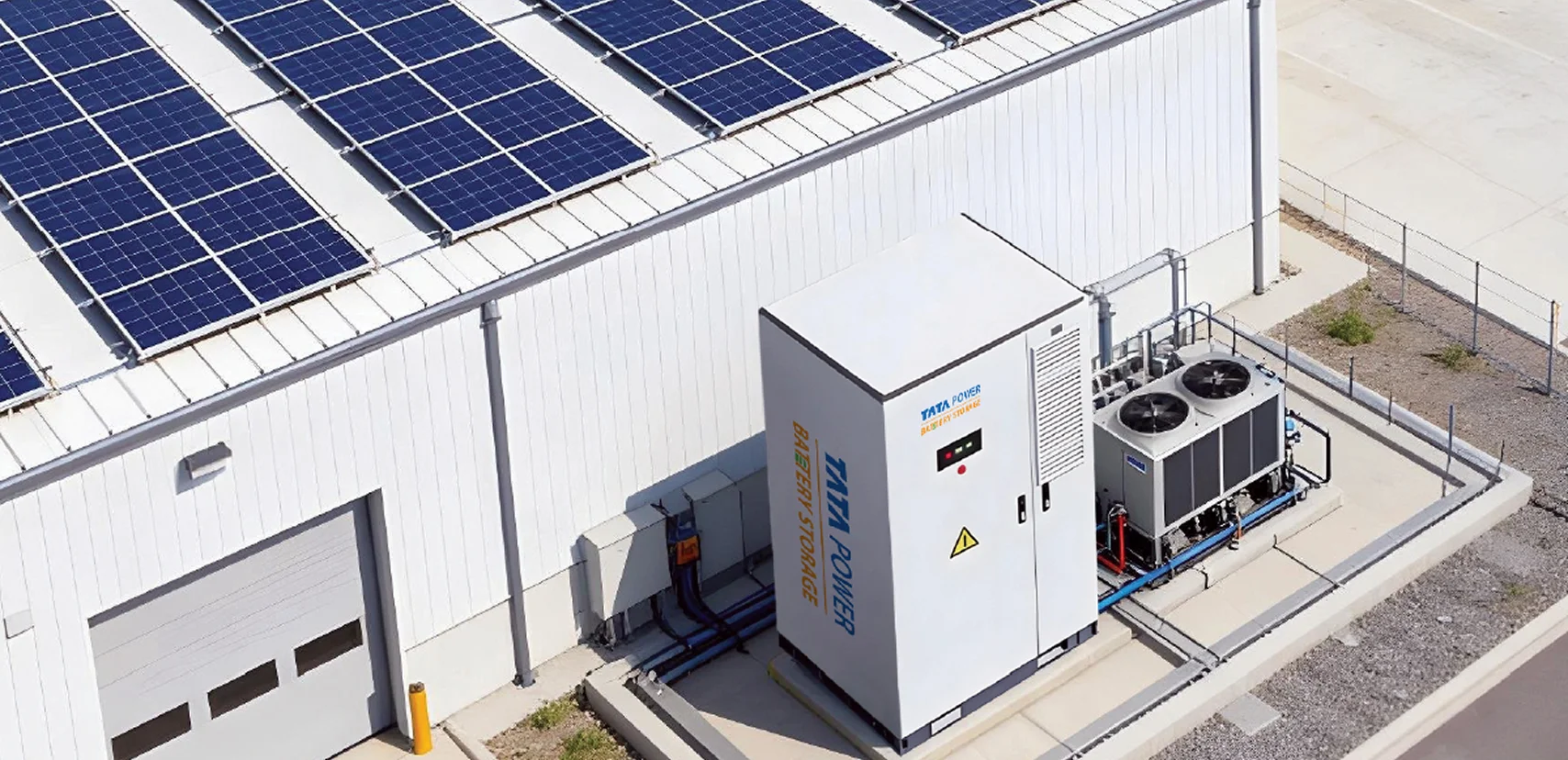
  • Battery storage and hybrid system upgrades
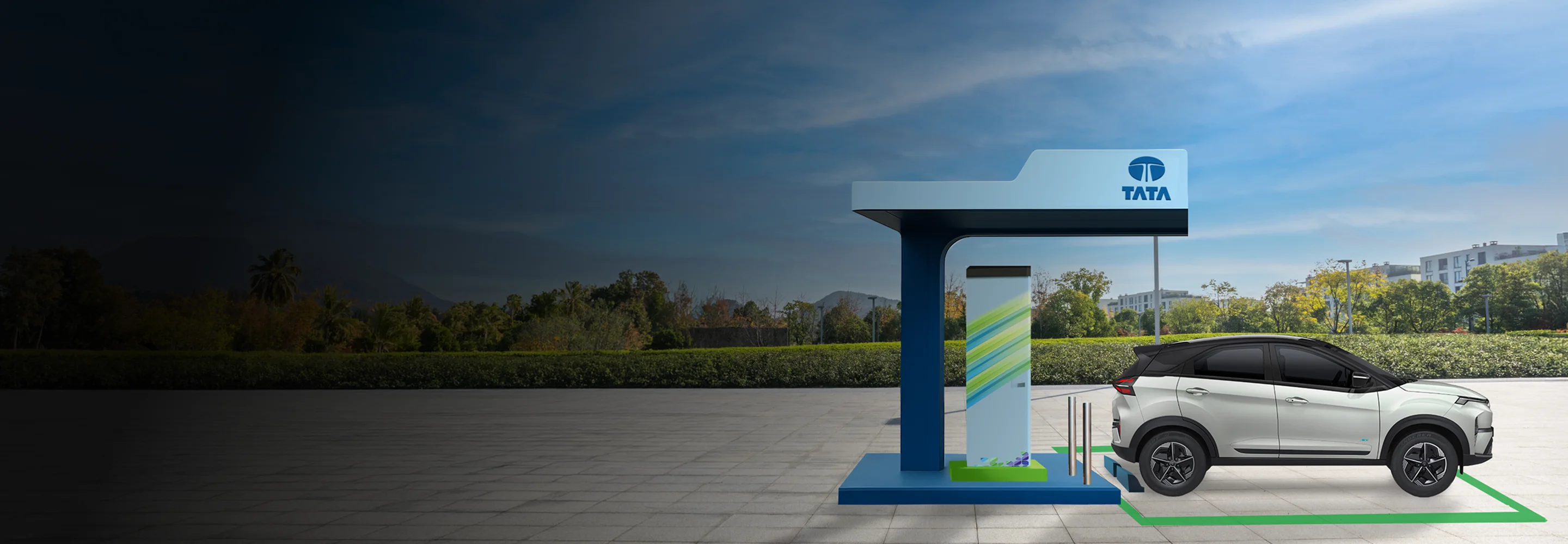
  • EV charging integration through solar carpots
  • Referral networks from satisfied customers

This allows most dealers to recover their initial investment within 18 to 30 months.  

4. Low risk and easy entry: The franchise advantage

A solar franchise model bypasses years of brand-building, supply chain development, and regulatory learning by offering:

  • Brand credibility, MNRE certifications, and product quality are already established.
  • The franchise models provide ready products, sales and site survey training, technical support, CRM tools, and marketing collateral, reducing startup burden
  • Regulatory complexity including net metering applications, DISCOM coordination, and subsidy processing is handled by the franchisor.
  • Co-branded marketing materials and digital assets allow dealers to show up in their local market with professional-grade communications.
  • Dealers affiliated with MNRE-approved brands can offer customers a streamlined application experience.
  • Exclusive territory rights protect the dealer's market and prevent cannibalisation from other partners of the same brand.

5. Flexibility in investment: Start small, scale when ready

A solar dealership does not demand a large or fixed upfront commitment:

  • A dealer or franchise model requires an investment of Rs 2 lakh to Rs 10 lakh, making it accessible to a wide range of first-time entrepreneurs. 
  • Dealers can choose between product-only, EPC, or full turnkey franchise models depending on their investment capacity and operational preference.
  • No showroom space or large upfront inventory is required in most models, keeping break-even timelines short.
  • Entry-level tiers let dealers start smaller, and expand into commercial segments and larger EPC contracts over time

6. Untapped opportunity in tier 2 cities and rural markets

A dealer who establishes themselves in a tier 2 town today has a first-mover advantage that is genuinely hard to displace once it is built. India's metro solar markets are increasingly competitive.

  • Lower competition, faster market capture
    With fewer organized players, dealers can establish a strong local presence early and build long-term relationships at lower acquisition costs
  • New developments integrating solar from the start
    Housing, commercial, and agricultural projects are increasingly being built with solar in mind, creating a steady project pipeline
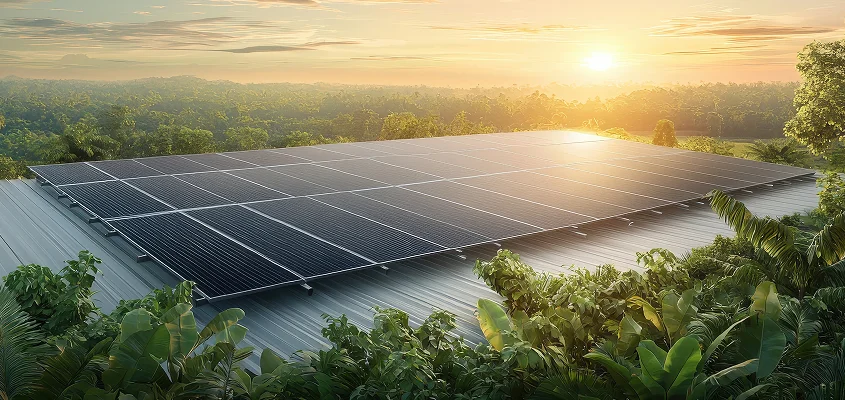
Rooftop solar dealership growth in tier 2 towns

As businesses embrace green energy, the demand for trusted rooftop solar dealers in India continues to grow

7. Rising consumer demand driven by multiple converging forces

Demand for rooftop solar is being pushed simultaneously from multiple directions, each reinforcing the others.

  • Electricity tariffs have risen steadily across India
  • Eco-conscious consumers are actively seeking products that align with their environmental values.
  • Businesses and institutions face growing pressure to demonstrate green credentials.
  • Housing societies are adopting solar for common area consumption.
  • Flexible EMI financing, green loans from banks and NBFCs, and lease-based models have made solar more accessible.
  • The Make in India push has increased domestic manufacturing, reduced import dependence, and brought panel prices down by an estimated 15 to 20%.       

Falling costs mean more customers say yes. Smarter technology means fewer complaints. Together, they create a more efficient business.

8. Recurring revenue through AMCs

Rooftop setups have a 25-year lifespan and need periodic servicing. For a dealer, this creates a compounding income stream:

  • Standard AMC services cover scheduled solar panel cleaning, inverter diagnostics, wiring inspections, and performance audits
  • An AMC worth Rs 10,000 per year over 10 years adds Rs 1,00,000 from a single client without additional acquisition cost
  • Emergency repair services represent a high-margin
  • Performance audits offered as premium AMC tiers create opportunities to re-engage existing customers and identify upgrade or expansion possibilities.


The opportunity is clear, but the real question is who you choose to build it with. Because in solar, the brand you carry, the certifications you are backed by, and the support you receive on the ground will determine how fast you grow and how far you go. That brings us to the most important decision of all: choosing the right partner.

Why choose Tata Power Solar as your rooftop solar dealership partner in India?

Choosing to become a rooftop solar dealer in India is only the first step, the real impact comes from choosing the right partner. This where the experts step in. Tata Power Solar offers a distinct advantage by combining scale, brand trust, and end-to-end support across sales, financing, and execution. Backed by a strong national presence and a well-integrated ecosystem, it enables dealers to establish credibility quickly and grow with confidence, and provides a refined, reliable pathway to scale in an increasingly competitive market.

Ready to become a Tata Power Solar dealer?

Build a future-ready solar business backed by Tata Power’s legacy

Bottomline

India solar shift is accelerating due to policy support, rising customer demand, and affordable technology. Beyond this, the franchise model has made entry accessible to virtually anyone. With margins of 20–35%, recurring AMC income, and payback periods of 18–30 months, a rooftop solar dealership offers both stability and long-term growth.

In a business built on long-term customer relationships, the brand you represent shapes trust, execution, and how quickly you scale. Starting with a partner that brings proven experience and support can make all the difference.

Frequently asked questions

The frequently asked questions section is a reliable source for unlocking answers to some of the most crucial inquiries. Please refer to this section for any queries you may have.


Yes, a solar dealership in India can be highly profitable due to strong demand, 20–35% installation margins, and recurring income through maintenance contracts (AMCs). As the customer base grows, recurring revenue compounds, making it a scalable and sustainable business model.


To become a rooftop solar dealer in India, partner with an established solar brand that offers dealership or franchise opportunities. Most models provide training, product access, and operational support, allowing you to start without building the business from scratch.


The investment required for a solar dealership in India typically ranges from ₹2 lakh to ₹10 lakh, depending on the business model and scale. Most dealership models are asset-light and do not require heavy infrastructure or inventory.


The risks in a solar dealership India model are relatively low but can include delays in subsidy processing, dependency on policy changes, and execution challenges. Partnering with an experienced brand helps reduce these risks significantly.


No, you do not need deep technical knowledge to start a solar business. Most rooftop solar dealer India models offer training and handle technical aspects like system design and installation, allowing you to focus on sales and business growth.

Sources

1. Top 10 solar franchise in India 2025, APN Solar

2. How to start a solar distributorship in India, APN Solar

3. Solar panel dealership franchises in India: why invest in 2026, FranchiseBazar

4. Is a solar franchise profitable in India, APN Solar

5. How to start a solar panel business in India 2026 guide, Solex Energy

6. How to start a solar panel business franchise: a comprehensive guide, Waaree

7. India surpasses 132 GW of installed solar capacity, PV Magazine India

8. India adds record 34.4 GW of solar and wind capacity in first nine months of 2025, JMK Research

9. India adds record 44.5 GW renewable capacity in 2025, Outlook Business

10. How to start a Tata solar power dealership in India 2026, FranchiseBazar

11. India rooftop solar market size and share report 2030, Mordor Intelligence

12. Renewable energy industry overview, IBEF

13. India set to emerge as world's 2nd largest solar market in 2026, NSEFI, Business Standard

14. Physical achievements, Ministry of New and Renewable Energy

15. PM Surya Ghar rooftop solar programme, MNRE

Disclaimer:
This blog is intended for informational and educational purposes only. The views, opinions, insights, and recommendations expressed in this blog are based on publicly available information, industry trends, and general observations at the time of publishing. While efforts have been made to ensure accuracy and relevance, no guarantee is provided regarding the completeness, reliability, or accuracy of the information. Readers are advised to independently evaluate the content and seek professional guidance wherever required. The company shall not be held responsible for any actions taken based on the information presented in this blog