


 Contact us


The conversation around power infrastructure often begins with generation capacity. In reality, the system is only as strong as its ability to move that power where it is needed.
The Southeast UP transmission-linked development reflects a structural shift toward coordinated, multi-state power procurement. Gujarat has emerged as the primary procurer with a 47.5 percent share, while Punjab, Haryana, Rajasthan, and Maharashtra are aligned on similar principles. This is not just a contractual arrangement. It is a move toward predictability in how large assets are supported commercially.
As Dr. Praveer Sinha explained, “Gujarat is the main procurer. Whatever Gujarat finalizes, other states will do accordingly.” This alignment reduces fragmentation and ensures that generation assets are not exposed to uneven demand or inconsistent offtake structures.
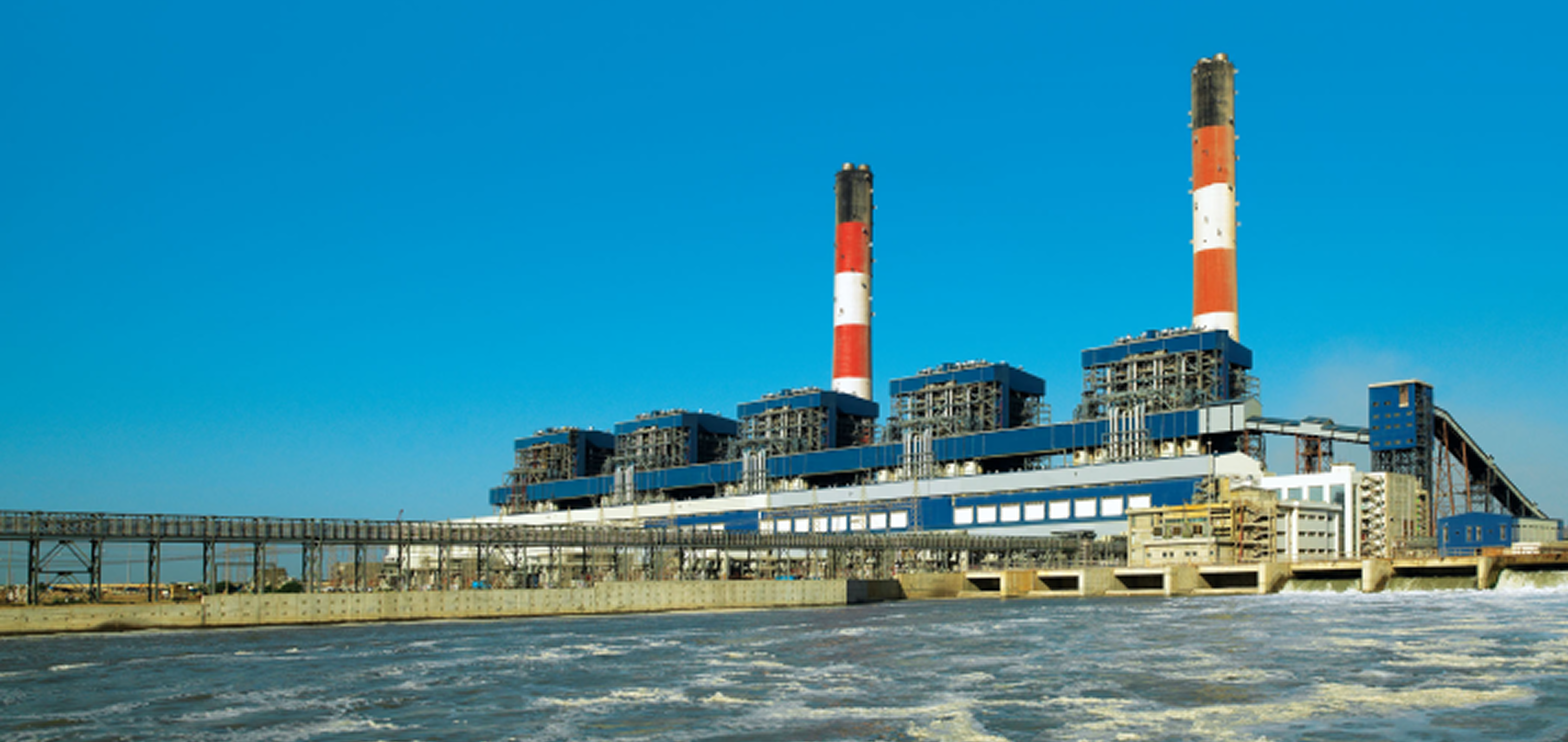
Operational readiness is equally important. The plant is set to begin operations from 1st April and will run under Section 11, a provision typically invoked during high-demand scenarios. This indicates that planning is already being done with peak stress conditions in mind, particularly as summer demand intensifies.
Together, these developments point to a system that is moving from reactive dispatch to coordinated execution.